


India Expands E-Visa Entry to 88 Ports: Airports, Seaports and Land Routes
The CSR Journal Magazine

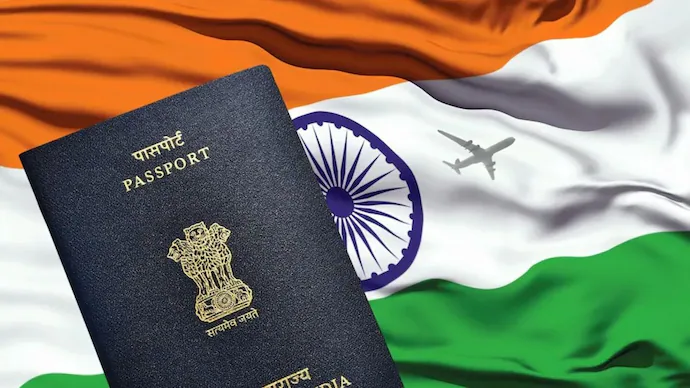
The Government of India has expanded the E-Visa scheme to include eleven additional international ports, providing foreign travellers more options for entering the country. This expansion raises the total number of designated international ports for E-Visa holders to 88, consisting of 37 airports, 38 seaports, and 13 land ports. Among the newly added entry points, two are airports while the rest are land ports.

The recently included airports are situated in Bhopal and Tirupati. The nine land ports added to the list comprise Agartala, Darranga, Gede, Ghojadanga, Haridaspur, Jaigaon, Dawki, Moreh, and Attari (Road). With these new ports, eligible E-Visa holders can now enter India at these locations, adhering to the current E-Visa regulations.

Overview of India’s E-Visa System

The E-Visa is an electronic visa facility established to allow foreign nationals the convenience of applying for an Indian visa online prior to their visit. Launched in 2014, this system initially catered to 43 countries, but it has now expanded to include nationals from 172 countries, as reported by the Ministry of Home Affairs. This initiative aims to simplify the visa application process while ensuring necessary immigration and security checks are maintained.

The government claims that around 95 per cent of E-Visa applications are processed within 72 hours. However, approval times may vary depending on the specifics of the application and the requirements applicable to it. This rapid processing capability highlights the effectiveness of the electronic visa system.

Currently, the E-Visa facility encompasses 17 sub-categories, which include tourism, business, medical travel, student travel, and transit, among others. This broad range ensures that the E-Visa is not solely aimed at tourists, but also at various other groups travelling for multiple purposes.

Implications of the Expanded E-Visa Network

The recent expansion of the E-Visa system holds significant implications for foreign travellers. The introduction of 88 designated international ports allows greater flexibility for travellers to choose their entry points based on their travel itineraries. Travellers arriving in India via international airports, sea routes, or specific land routes can now conveniently check whether their intended entry point is among the newly included ports for E-Visa access.

It is important to note that possessing an E-Visa does not grant access through any airport, seaport, or land border. Travellers must utilise designated E-Visa entry ports and comply with all relevant immigration and visa requirements upon arrival in the country.

The government’s decision to broaden the E-Visa network is part of its broader strategy to liberalise and streamline the visa process, making it more accessible for legitimate foreign visitors. Furthermore, this increase in entry points permits immigration authorities to better manage traveller processing while enhancing technological infrastructure for domestic security.

Long or Short, get news the way you like. No ads. No redirections. Download Newspin and Stay Alert, The CSR Journal Mobile app, for fast, crisp, clean updates!

App Store –  https://apps.apple.com/in/app/newspin/id6746449540 

Google Play Store – https://play.google.com/store/apps/details?id=com.inventifweb.newspin&pcampaignid=web_share

Latest News

Popular Videos
