


Humayun Kabir Congratulates West Bengal for Defeating TMC
The CSR Journal Magazine

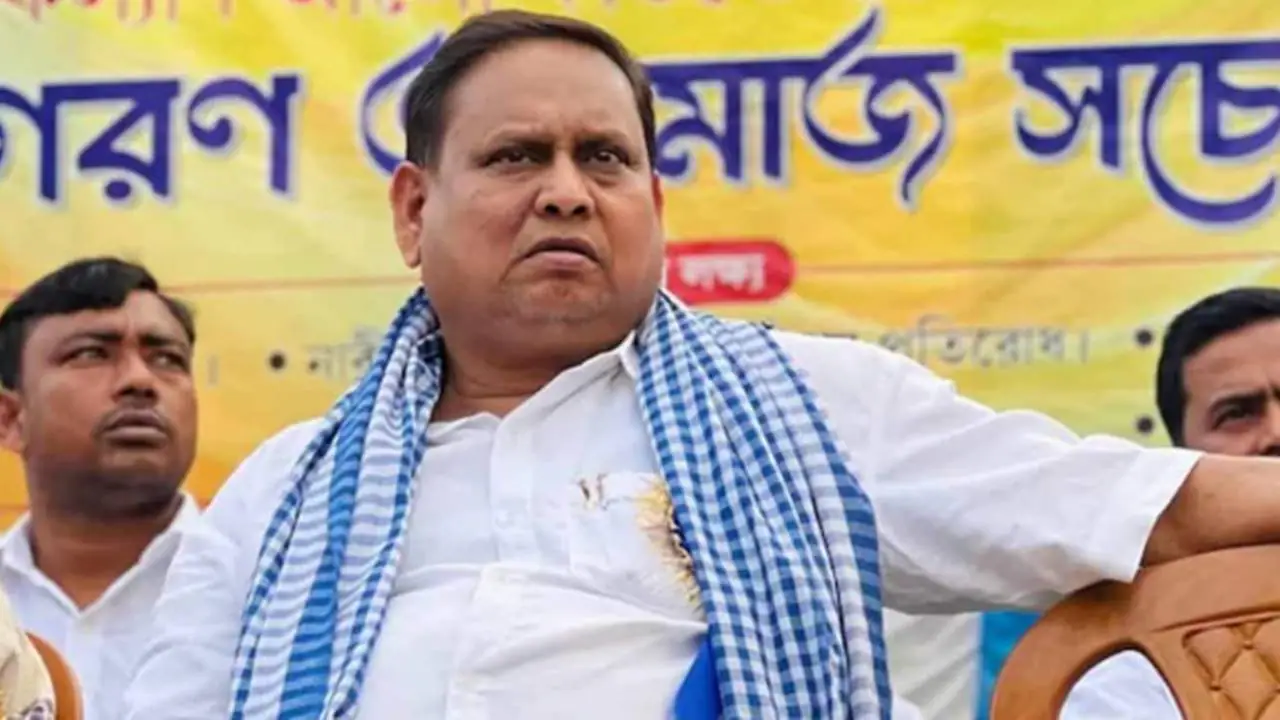
Humayun Kabir has extended his congratulations to the people of West Bengal following their recent achievement in overcoming the Trinamool Congress (TMC). This event marks a significant political shift within the state, as the TMC has been a dominant force in West Bengal’s political landscape for several years. The victory is seen as a reflection of the electorate’s changing sentiments regarding governance and representation.

Political analysts have pointed out that the results indicate a growing desire among voters for alternative leadership. The defeat of the TMC, which has faced various criticisms, suggests that many citizens are seeking new approaches to local governance. This election outcome will likely influence political strategies and alignments in the region.

In the aftermath of the election, celebrations erupted in various parts of West Bengal, as supporters of the winning party took to the streets to express their joy. Humayun Kabir’s acknowledgement of this success highlights the importance of political engagement in shaping the future of the state.

Allegations Against TMC

In his address, Humayun Kabir noted that the TMC had allegedly engaged in practices that deceived voters during its tenure. Reports suggest that these actions may have contributed to the party’s recent electoral defeat, as disenfranchised voters sought to express their dissatisfaction. Such allegations call into question the party’s governance and accountability throughout its administration.

The allegations concerning the TMC revolve around multiple issues, including unfulfilled promises and mismanagement of resources. As a result, the electoral discourse has shifted towards accountability and transparency, with voters now more inclined to demand comprehensive plans and realistic propositions from political entities. Kabir’s remarks resonate with a broader conversation about the necessity of integrity in governance.

Additionally, these allegations have sparked discussions about electoral reforms and the role of political parties in ensuring fair representation. Observers believe that the election outcome has laid the groundwork for future movements advocating integrity and ethical considerations in politics.

Implications for Future Politics

The results of the recent election signal a pivotal moment in West Bengal’s political trajectory. The defeat of the TMC may encourage other regional parties to reconsider their strategies and align their agendas more closely with the aspirations of the electorate. This changing political climate underscores the need for responsiveness and adaptability among political leaders.

Going forward, the implications are significant not just for the TMC, but for all political entities operating in West Bengal. The expectation for meaningful engagement with the public is likely to increase, as citizens now demand accountability and effective governance. This evolution in public sentiment is poised to redefine the political landscape in the state.

A successful governance model will require prioritising citizen welfare and ensuring that public needs are met. As political dynamics continue to evolve, the importance of constructive dialogue between the electorate and representatives will be vital for the establishment of a conducive political environment. The recent victory, therefore, serves as a reminder of the power of the electorate and the necessity for political organisations to remain attuned to public aspirations.

Long or Short, get news the way you like. No ads. No redirections. Download Newspin and Stay Alert, The CSR Journal Mobile app, for fast, crisp, clean updates!

App Store –  https://apps.apple.com/in/app/newspin/id6746449540 

Google Play Store – https://play.google.com/store/apps/details?id=com.inventifweb.newspin&pcampaignid=web_share

Latest News

Popular Videos
