


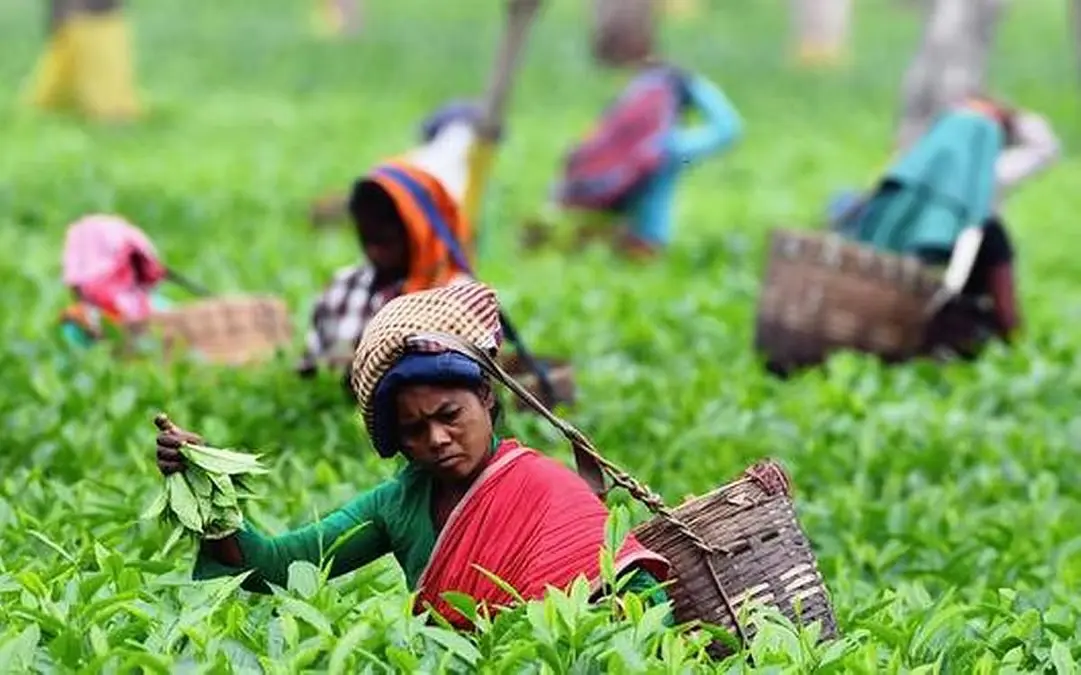

How West Asia Conflict is Impacting India’s Orthodox Tea Exports

The CSR Journal Magazine

The ongoing conflict in West Asia is reportedly starting to affect the exports of orthodox tea from India. According to Dinesh Bihani, Secretary of the Guwahati Tea Auction Centre (GTAC), the adverse effects have become apparent over the past one-and-a-half months. This particular segment of the tea industry predominantly relies on exports to West Asian markets, which are experiencing significant fluctuations.

Bihani highlighted that the demand for orthodox tea has been gradually decreasing. A major factor contributing to this decline is the lengthy transportation time required to send tea to West Asia, which is approximately 45 to 50 days. Additionally, increasing insurance costs are adversely affecting the overall export landscape.

Another concern mentioned by Bihani is related to the size of incoming orders. Exporters are facing challenges as orders are arriving in smaller quantities. Furthermore, there is an ongoing uncertainty regarding payments, creating additional risks for exporters.

Rising Costs and Uncertainty Among Exporters

The geopolitical crisis has heightened fears among tea exporters in India, even as the sector has experienced robust growth in recent years. Bihani indicated that the escalation of the conflict has become more alarming since February, with its effects distinctly felt throughout March, April, and May. As the situation continues, Bihani expressed worries about the longer-term implications for tea sales.

He warned that if the conflict does not show signs of improvement in the near future, the industry might have to reconsider its focus on orthodox tea. Potential alternatives may include reverting to CTC (Crush, Tear, Curl) tea or adjusting pricing strategies, with the latter possibly resulting in lower prices for their products.

The uncertainty surrounding exports to West Asia has forced players in the tea industry to confront challenges that threaten their profitability and sustainability. The evolving situation demands careful attention as stakeholders navigate through the implications of the ongoing conflict.

Optimism for Alternative Markets

Despite the challenges posed by the West Asian conflict, Bihani conveyed a sense of optimism regarding alternative export avenues. He noted that exporters have begun to explore new markets as a proactive strategy to counterbalance the difficulties faced in traditional areas. One significant potential market highlighted is Russia, known for its substantial demand for tea.

While the situation remains fluid and dependent on developments regarding the conflict, Bihani expressed hope that these emerging markets could serve as viable substitutes for lost sales. The exploration of diverse export destinations reflects the resilience of India’s tea industry in adapting to shifting geopolitical landscapes.

There is a growing need for tea exporters to continue innovating and identifying opportunities in various regions. India’s internationally acclaimed varieties such as Assam, Darjeeling, and Nilgiri teas provide a competitive edge in the global market. Exporters are increasingly focused on diversification as a method to mitigate risks arising from uncertainties in established markets.

Long or Short, get news the way you like. No ads. No redirections. Download Newspin and Stay Alert, The CSR Journal Mobile app, for fast, crisp, clean updates!

App Store –  https://apps.apple.com/in/app/newspin/id6746449540 

Google Play Store – https://play.google.com/store/apps/details?id=com.inventifweb.newspin&pcampaignid=web_share

Latest News

Popular Videos