


Ceasefire or Escalation? Trump Weighs 10-Day Truce as West Asia Tensions Peak
The CSR Journal Magazine

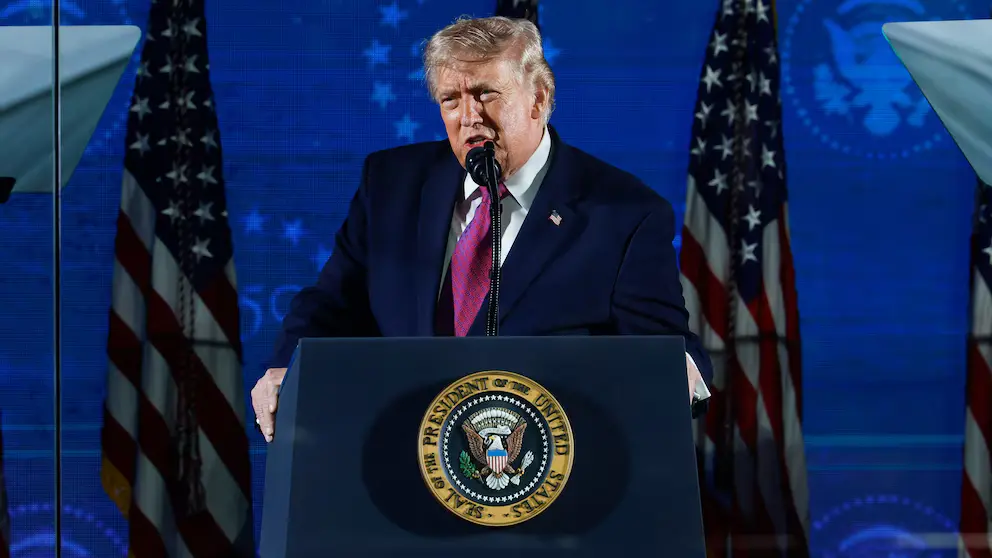
US President Donald Trump is reportedly at a critical juncture regarding Iran, considering two distinct paths for the ongoing conflict. As tensions escalate between Washington and Tehran, Trump is weighing support for a proposed 10-day ceasefire against backing a new military campaign alongside Israel. Senior sources from the US, Israel, and the region have provided insights into the situation, highlighting the complexities involved.

According to reports, the decision is pressing, as the coming days may prove pivotal in determining whether the US opts for diplomacy or opts for increased military engagement in the region. The proposed ceasefire aims to confirm the reopening of the strategic Strait of Hormuz, a critical shipping route for oil and goods.

International mediators, including those from Qatar, Egypt, and Pakistan, have reportedly put forward a framework for a temporary cessation of hostilities between the two nations. This is intended to facilitate discussions for a long-term solution regarding maritime transit and overall regional stability.

Details of the Ceasefire Proposal

The ceasefire proposal entails a halt to military actions for 10 days to allow negotiations concerning a sustainable resolution. Key elements reportedly include reopening shipping lanes through the Strait of Hormuz and establishing a diplomatic channel between the US and Iran for future discourse.

Sources indicate that although the US administration is currently reviewing the ceasefire proposal, they have advised Israel to refrain from actions that could jeopardise potential diplomatic efforts. The situation is further complicated by the fact that both Washington and Tehran have yet to acknowledge the ceasefire framework officially, as military operations persist on both sides.

Reports also mention that regional mediators are seeking to expedite negotiations, building upon discussions that took place earlier in July in Muscat among Oman, Iran, and Qatar. These talks were part of broader efforts to de-escalate tensions.”

Military Developments and Reactions

In parallel with ongoing diplomatic efforts, the United States has reportedly increased its military presence in the region. This includes the deployment of additional fighter jets and aerial refuelling capability. Israel, on its part, is preparing for the possibility of a more extensive military operation should diplomatic initiatives falter.

A notable incident influencing the current scenario occurred when an Iranian missile strike in Jordan resulted in the deaths of American service personnel, prompting the US to reassess its approach to negotiations once again. This unfortunate development has further underscored the necessity for a thoughtful strategy concerning military and diplomatic efforts.

The spokesperson for Iran’s Foreign Ministry, Esmaeil Baghaei, affirmed the involvement of various mediators in efforts to promote de-escalation. While he acknowledged the reception of the proposals aimed at cooling tensions, he expressed reservations about discussing specific details at this stage, emphasising Iran’s intent to respond robustly to any perceived aggression.

As both sides remain engaged in military operations, it remains uncertain whether President Trump will ultimately choose to endorse the 10-day ceasefire or continue military actions. Some regional sources speculate that additional US strikes may occur before a final decision on the diplomatic initiative is made, leaving the situation fluid and evolving.

Long or Short, get news the way you like. No ads. No redirections. Download Newspin and Stay Alert, The CSR Journal Mobile app, for fast, crisp, clean updates!

App Store –  https://apps.apple.com/in/app/newspin/id6746449540 

Google Play Store – https://play.google.com/store/apps/details?id=com.inventifweb.newspin&pcampaignid=web_share

Latest News

Popular Videos
