


How To Select The Sweetest Jamun In The Market
The CSR Journal Magazine

Choosing the sweetest jamun hinges on recognising the characteristics that define its quality. This seasonal fruit is cherished for its distinctive sweet-tart flavour, striking purple hue, and notable nutritional value. However, the marketplace often presents a variety of jamun that may not meet these expectations, with some fruits being underripe, too sour, or past their prime. Familiarity with specific selection tips can significantly enhance the likelihood of finding the juiciest and sweetest fruit available.

Identifying Ripe Jamun

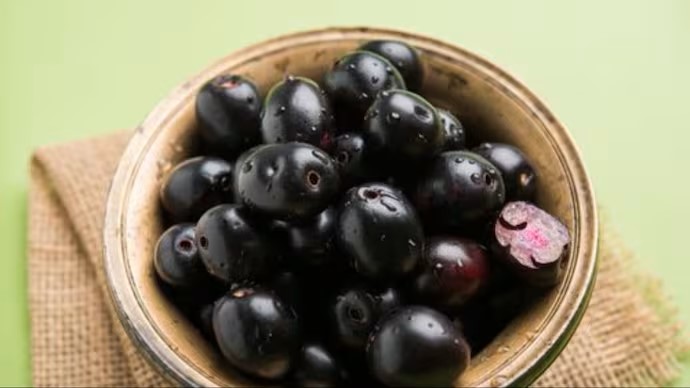
The colour of jamun serves as a primary indicator of its ripeness. Shoppers are advised to select fruits that exhibit a deep purple or nearly black coloration, suggesting that they are fully ripe and at their sweetest. Conversely, jamuns displaying green, reddish, or light purple shades should be avoided, as these are often sour and less palatable.

Another vital cue is the condition of the fruit’s skin. Fresh jamun should have smooth and glossy skin. If a fruit appears dull, wrinkled, or shrivelled, it may indicate age or loss of freshness. Ensuring the fruit is appealing to the eye is an essential aspect of the selection process.

A gentle press on the fruit can also provide insights into its ripeness. An adequately ripe jamun will feel firm yet yield slightly under gentle pressure. Fruits that are overly hard are likely underripe, while those that feel soft or mushy may be overripe or spoiled. This tactile examination can assist in determining the ideal fruit.

Making Informed Purchases

When selecting jamun, it is advisable to choose fruits that are medium to large in size. Although size alone does not guarantee sweetness, larger jamun often contain more pulp and generally offer juicier experiences than their smaller counterparts. This aspect can enhance enjoyment for consumers looking for maximum flavour.

Buyers should be cautious of jamuns exhibiting signs of damage. Fruits that show cuts, cracks, bruises, or signs of mould should be avoided, as such flaws typically indicate compromised freshness and potential spoilage. To ensure the best taste, steering clear of compromised fruits is wise.

Opting to purchase jamun from reputable vendors is crucial in obtaining high-quality fruit. Sellers who maintain a high turnover of fresh stock are more likely to provide recently harvested items that retain their flavour, texture, and nutrients. Engaging with trusted sellers can substantially affect the quality of the chosen fruit.

Final Tips For Enjoyment

It can also be beneficial to utilise the power of smell when selecting jamun. Fresh fruits typically have a mild and pleasant aroma. If a jamun emits a sour, fermented, or unpleasant odour, it is better to refrain from purchase, as this may indicate that the fruit has gone bad. A good-quality scent can be a reliable sign of freshness.

If the vendor permits, tasting a sample before making a purchase is one of the simplest ways to assess the sweetness and quality of the jamun. This practice allows consumers to gauge the fruit’s flavour profile directly and make an informed choice regarding which batch to buy.

After purchasing, proper storage is necessary to enjoy the fruit at its best. Jamun is delicate and can spoil rapidly, so it should ideally be stored in a refrigerator. Consuming the fruit within one to two days is recommended for optimal taste. Washing should occur only before consumption to maintain freshness for as long as possible.

Long or Short, get news the way you like. No ads. No redirections. Download Newspin and Stay Alert, The CSR Journal Mobile app, for fast, crisp, clean updates!

App Store –  https://apps.apple.com/in/app/newspin/id6746449540 

Google Play Store – https://play.google.com/store/apps/details?id=com.inventifweb.newspin&pcampaignid=web_share

Latest News

Popular Videos
