


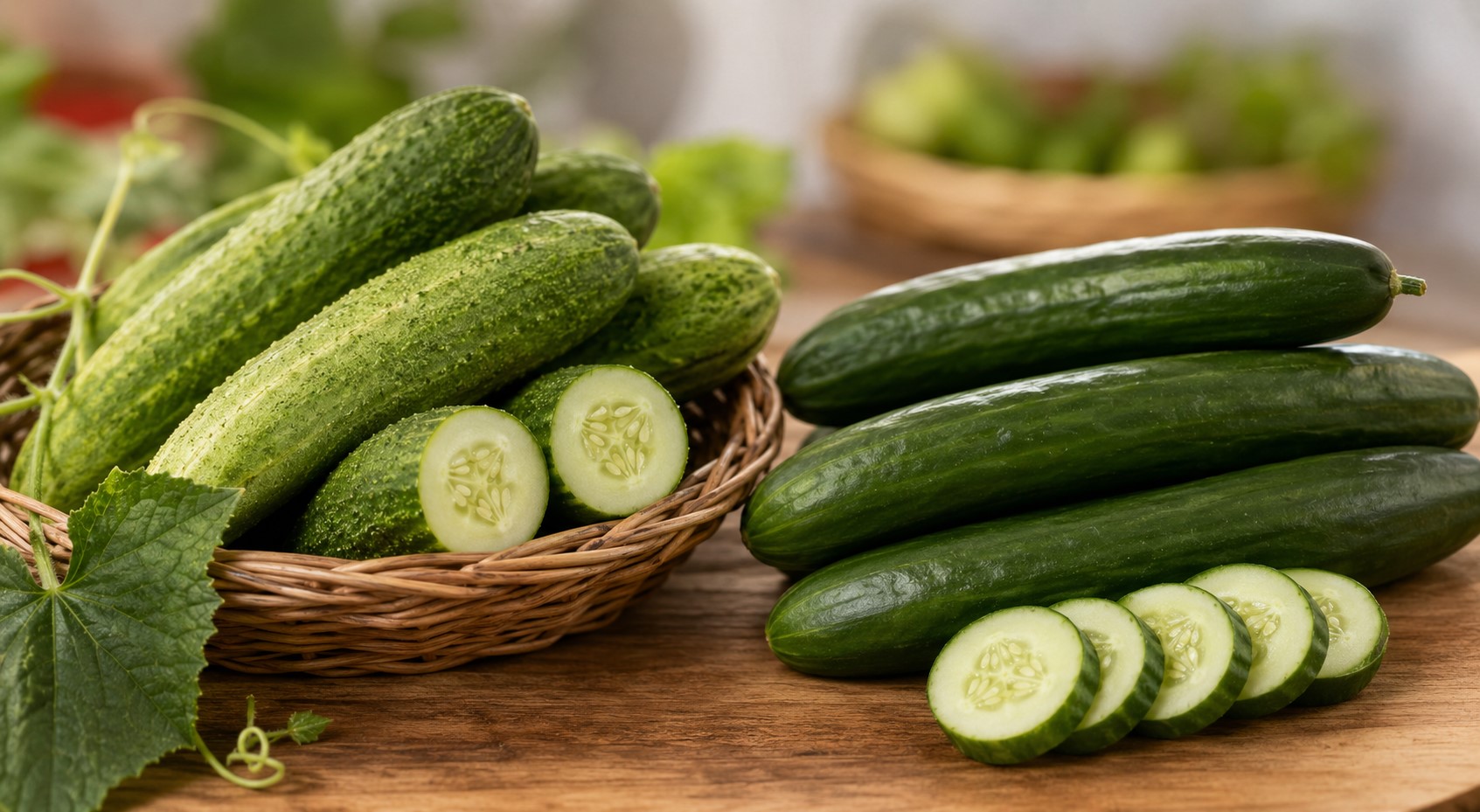
Desi Cucumber vs Hybrid Cucumber: Which Is Healthier and More Nutritious?
The CSR Journal Magazine

The debate surrounding the health benefits of desi and hybrid cucumbers often focuses on their availability and consumption patterns. Desi cucumbers, which are locally grown, are generally available during specific seasons, allowing consumers to purchase them at their freshest. Hybrid cucumbers, in contrast, are typically cultivated in controlled environments and have a year-round presence in markets. This consistent availability can be beneficial for those looking to maintain a varied diet throughout the year.

The ability of hybrid cucumbers to be harvested at various times throughout the year allows for a diverse selection in supermarkets. This means that consumers can enjoy them regardless of the local growing season, which may not always happen with desi cucumbers. Local varieties might not be available off-season, but they can provide distinctive flavours and textures that are often preferred by many consumers.

Despite their year-round availability, hybrid cucumbers are often perceived differently in terms of taste and nutritional qualities. Retailers and experts believe that understanding the implications of availability helps consumers make informed decisions based on their dietary needs and preferences.

Exploring Freshness and Taste Factors

Freshness is a crucial factor that influences the choice between desi and hybrid cucumbers. Desi cucumbers are typically consumed shortly after harvesting, allowing them to maintain their flavour and nutritional quality. Since they are often sold close to where they are grown, they do not undergo extensive transportation, which can compromise freshness.

On the other hand, hybrid cucumbers, while convenient, may spend more time in transit before reaching consumers. This extended travel can lead to a reduction in quality, impacting both taste and texture. Although modern supply chains aim to maintain freshness, deviating from the intended consumption timeframe could lead to decreased satisfaction for some consumers.

Experts suggest that while freshness is often associated with the taste of desi cucumbers, hybrid varieties can still meet nutritional standards. Depending on growing and harvesting methods, hybrid cucumbers can be fresh, although they may not provide the same immediate benefits as local produce.

Nutrition and Economic Considerations

Both desi and hybrid cucumbers offer a variety of essential nutrients, including vitamins, minerals, and dietary fibre. However, the nutritional profile may vary based on factors such as ripeness at harvest and the conditions under which they are stored. Desi cucumbers are generally allowed to mature fully before being picked, which can enhance their flavour and health benefits.

Conversely, hybrid cucumbers are cultivated for uniformity and often harvested while they are still unripe to ensure they withstand long-distance transport. Consumers may find that the taste and nutrient content of hybrid cucumbers might differ as a result. However, both types remain integral components of a balanced diet.

From an economic perspective, desi cucumbers tend to be more affordable during their peak seasons due to lower transportation costs and high availability. In contrast, hybrid cucumbers may incur additional costs related to shipping and importation, making them relatively expensive. Choosing locally sourced cucumbers can lead to significant savings and promote seasonal eating habits.

Long or Short, get news the way you like. No ads. No redirections. Download Newspin and Stay Alert, The CSR Journal Mobile app, for fast, crisp, clean updates!

App Store –  https://apps.apple.com/in/app/newspin/id6746449540 

Google Play Store – https://play.google.com/store/apps/details?id=com.inventifweb.newspin&pcampaignid=web_share

Latest News

Popular Videos
