


Why Seasonal Local Fruits May Be Better Than Imported Options for Your Diet
The CSR Journal Magazine

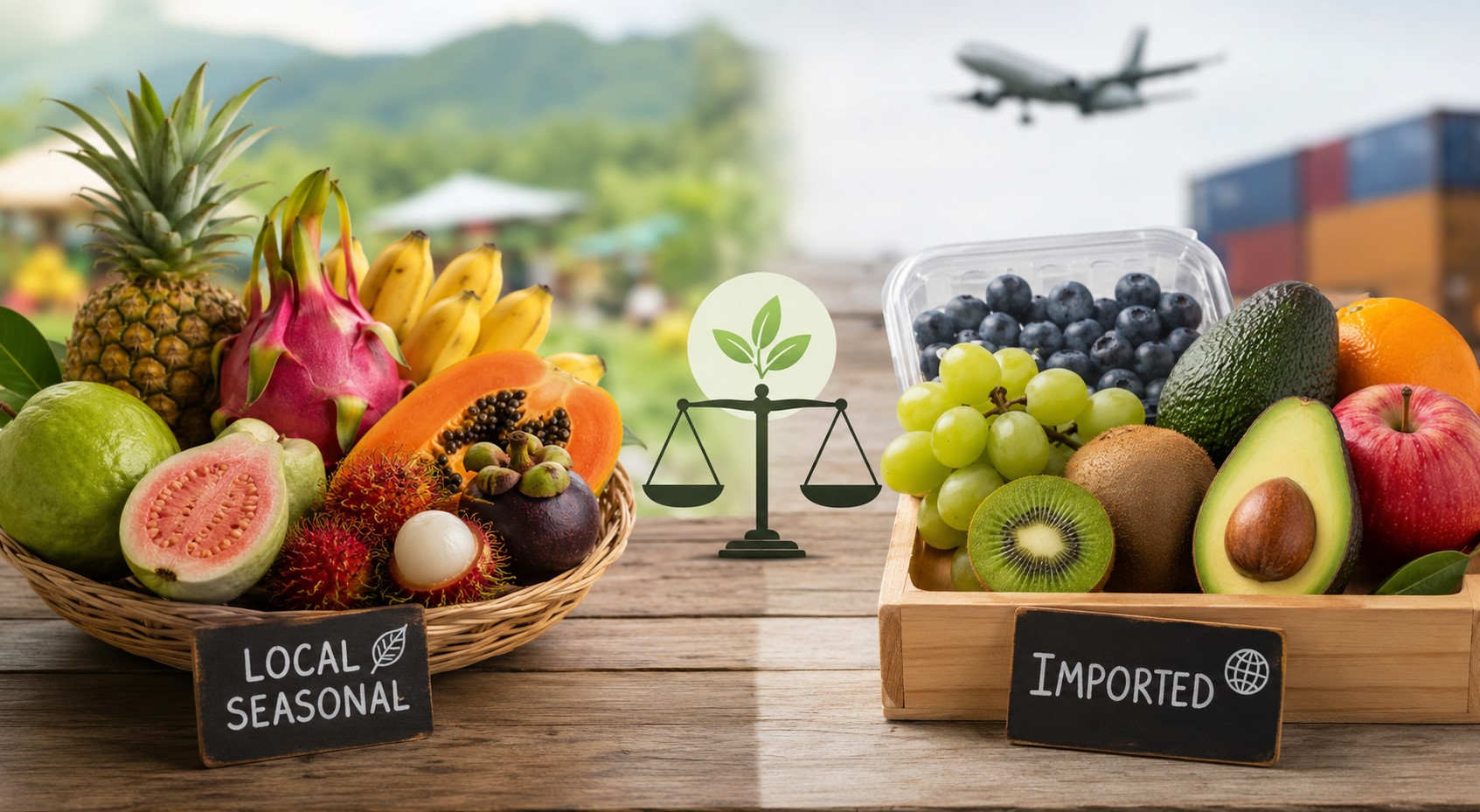
Local seasonal fruits are typically available when they reach their natural peak, resulting in enhanced freshness and flavour. These fruits do not require extensive transportation, enabling quicker distribution to markets and minimising storage time.

Moreover, the abundance of seasonal produce during harvest periods generally leads to lower prices. This affordability makes local fruits accessible to a broader spectrum of consumers, promoting healthier dietary choices.

Additionally, choosing local seasonal options can support local farmers and contribute to the economy. By purchasing these fruits, consumers can play a role in sustaining local agriculture and fostering community resilience.

Benefits of Imported Fruits

In contrast, imported fruits provide diversity in dietary options, offering consumers the chance to enjoy fruits that might not be cultivated in their region. For example, exotic fruits such as blueberries, kiwis, and avocados can enhance meal variety and contribute to a balanced diet.

Imported fruits also serve a practical purpose, particularly when specific nutrients are lacking in the local fruit supply during certain seasons. They give consumers the opportunity to include their preferred fruits in their diets year-round, irrespective of local growing cycles.

Convenience is another key factor, as imported fruits can often be found in supermarkets throughout the year. This consistent availability can cater to consumers’ cravings and dietary preferences, ensuring that they have access to a wide range of fruit options at any time.

Nutritional Considerations for Consumers

Determining the nutritional superiority of fruits, whether local or imported, is complex. Both categories provide essential vitamins, minerals, fibre, and antioxidants crucial for a balanced diet. However, factors such as freshness, proper storage, and handling practices can significantly affect the overall quality of the fruit.

Fruits consumed shortly after harvesting tend to retain their texture and flavour better than those that have undergone extended storage. In everyday dietary choices, local seasonal fruits often emerge as the more prudent option due to their fresher state, lower prices, and smaller environmental impact.

Nonetheless, imported fruits hold value in a balanced dietary framework, contributing variety and additional choices for consumers. The optimal strategy may involve prioritising seasonal local produce while complementing it with imported fruits to enhance overall intake without overshadowing the benefits of what can be sourced locally.

Long or Short, get news the way you like. No ads. No redirections. Download Newspin and Stay Alert, The CSR Journal Mobile app, for fast, crisp, clean updates!

App Store –  https://apps.apple.com/in/app/newspin/id6746449540 

Google Play Store – https://play.google.com/store/apps/details?id=com.inventifweb.newspin&pcampaignid=web_share

Latest News

Popular Videos
