
Lohagad Fort is an illustrious site nestled above the lush valleys close to Lonavala in Maharashtra, embodying centuries of historical intrigue. Originally built by the Lohtamia dynasty in the 10th century CE, the fort has experienced numerous transitions in power, having been under the control of the Chalukyas, Rashtrakutas, Yadavas, Bahamanis, Mughals, and Marathas. This diverse lineage gives Lohagad a unique character, setting it apart from monuments associated with single rulers or eras.
The fort’s structure reflects the influence of various time periods, evident in its fortifications, water systems, and architectural modifications. Each civilization that inhabited or controlled Lohagad left its mark, making the fort a dynamic repository of historical narratives that span several centuries.
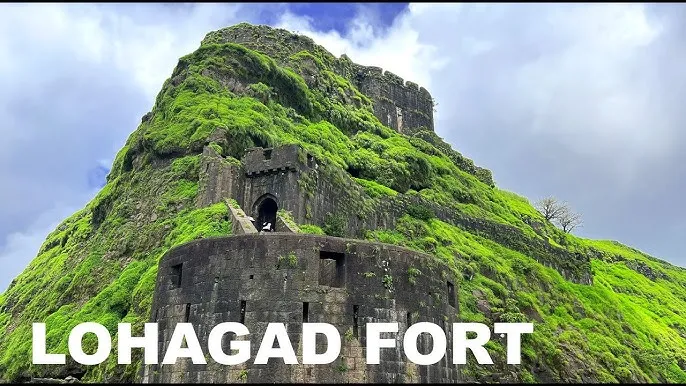
The name “Lohagad,” translating to “Iron Fort,” further enhances its allure. This title signifies strength and sustainability, attributes that are visually represented by the sturdy stone walls and elevated position of the fort, making it a formidable presence in the surrounding landscape.
Enigmatic Features of the Fort
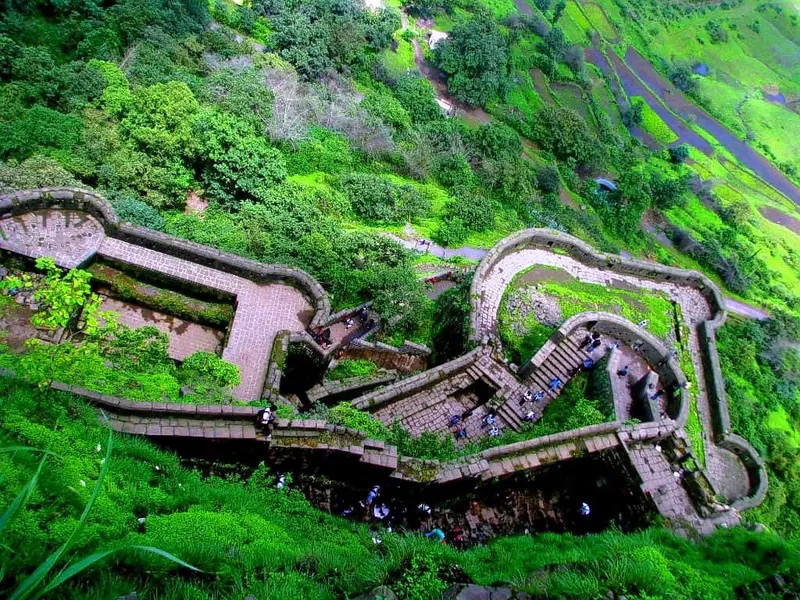
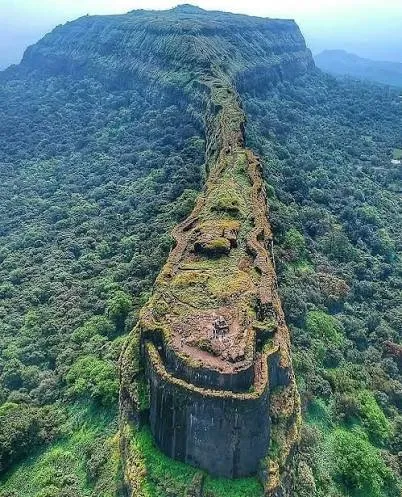
Lohagad was strategically designed as a defensive stronghold, which contributes to its mysterious atmosphere. The steep paths and narrow entrances make it challenging for potential attackers, but they also foster a sense of isolation and secrecy. Visitors navigating through the fort often find themselves on winding stone paths and facing sudden turns, with panoramic views blocked by towering walls.
The fort reveals its dramatic vistas only after extensive exploration, creating an impression that many secrets remain hidden within its walls. The atmosphere is amplified during the monsoon season, when clouds envelop the fort and the surrounding hills radiate a vibrant green. This setting transforms Lohagad into a realm where history intertwines seamlessly with legend.
Numerous tales have emerged over the years about Lohagad, contributing to its enigmatic reputation. Local folklore speaks of hidden tunnels, treasures, and eerie experiences reported by visitors. Some state that the fort feels unusually quiet once the throngs depart, while others recount strange feelings while traversing isolated sections. Though evidence for these accounts is sparse, the oral traditions surrounding the fort continue to enrich its mystique.