


Heart Attack Patients Show Increased Levels of Microplastics and Nanoplastics in Blood
The CSR Journal Magazine

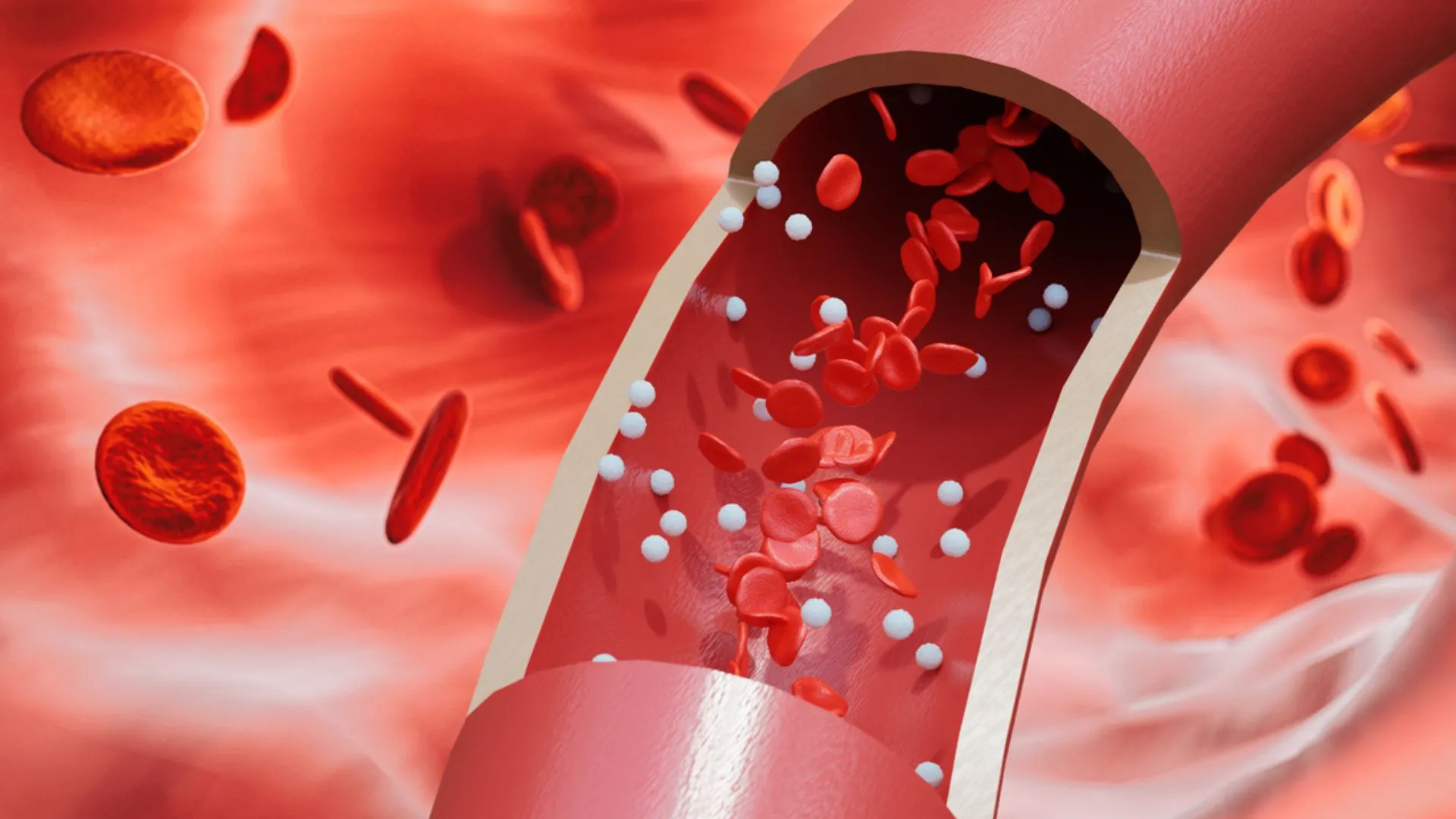
A study published in the European Heart Journal indicates that individuals who have experienced a severe heart attack exhibit significantly higher concentrations of microplastics and nanoplastics in their blood compared to those with other heart conditions. This finding suggests a correlation between environmental pollution and cardiovascular health, though it does not establish causation.

The research involved 61 patients from Italy, categorised based on their medical conditions: heart attack, chronic ischaemic heart disease, and normal coronary arteries. Blood samples were collected from both the coronary arteries and peripheral parts of the body, providing a comprehensive overview of plastic particle presence in the bloodstream.

Results revealed that 84 per cent of heart attack patients had detectable plastic particles, in contrast to 40 per cent of those with chronic heart disease and 32 per cent of individuals with normal coronary arteries. Furthermore, heart attack patients displayed a broader variety of plastic types, primarily polyethylene, commonly found in packaging and household goods.

Environmental Factors Associated with Plastic Levels

The researchers noted a substantial link between lifestyle choices and exposure to environmental pollutants. Smokers were six times more likely to have microplastics in their blood than non-smokers. Additionally, those residing in areas with elevated levels of air pollution (specifically fine particulate matter, PM2.5) were found to possess higher plastic concentrations.

Alarmingly, all patients who both smoked and lived in high-pollution areas exhibited microplastics in their bloodstream. In contrast, only 12.5 per cent of individuals with neither factor showed any signs of these particles. This stark disparity raises concerns about the potential impacts of lifestyle and environmental exposures on health outcomes.

Professor Emanuele Barbato, who led the study, suggested that smoking may facilitate the entry of these tiny particles into the bloodstream via the lungs, with air pollution likely having a similar effect. He emphasised that the research showcases an association rather than a definitive causal link, urging caution in interpreting the findings.

Implications for Future Research

Historically, microplastics have been detected in various human body parts, such as the blood, lungs, and even breast milk. Emerging evidence suggests that these plastic particles could lead to inflammation and vascular damage, both of which are critical factors in cardiovascular disease. Despite these preliminary findings, the necessity for larger-scale studies remains essential to validate the potential health ramifications.

The researchers advocate for reducing smoking rates, enhancing air quality, and mitigating plastic pollution as possible avenues to protect cardiovascular health while simultaneously benefiting the environment. Such recommendations underline the interconnectedness of environmental factors and overall health outcomes.

The ongoing exploration into the implications of microplastics serves as a reminder of the pervasive nature of plastic pollution and its potential consequences for human health. With further research, clearer insights may emerge that could shape public health strategies and environmental policies aimed at safeguarding heart health.

Long or Short, get news the way you like. No ads. No redirections. Download Newspin and Stay Alert, The CSR Journal Mobile app, for fast, crisp, clean updates!

App Store –  https://apps.apple.com/in/app/newspin/id6746449540 

Google Play Store – https://play.google.com/store/apps/details?id=com.inventifweb.newspin&pcampaignid=web_share

Latest News

Popular Videos
