


Europe Utilises AI, Drones, and Innovative Materials to Tackle Extreme Heat
The CSR Journal Magazine

Europe is leveraging artificial intelligence, drones, and heat-resistant materials to confront the challenges posed by soaring temperatures, which are significantly stressing transport infrastructure. This initiative aims to shield decades-old roads, railways, and airports as climate change leads to extended periods of intense heat. Notably, authorities in Norway are cooling airport runways using vast quantities of water, while Sweden has opted to paint railway tracks white to reflect sunlight.

The ongoing heatwave has resulted in temperatures across Western Europe that surpass seasonal norms by about 5.5 degrees Celsius. Consequently, transport networks, designed for much cooler climates, are showing increasing signs of vulnerability. Chris Dodwell, co-head of the sustainability centre at Impax Asset Management, indicated that existing infrastructure is ill-equipped to handle the extreme weather conditions now prevalent throughout the region.

Experts have noted that heatwaves, which were once rare occurrences, are now becoming a regular aspect of climate patterns in Europe. A report from 2025 by leading central banks forecasted that severe weather events, including heatwaves and floods, could lead to a reduction of as much as 4.7 per cent in euro zone GDP by 2030.

Technological Innovations in Monitoring Railways

Rail operators across Europe are increasingly adopting advanced technologies to identify potential issues before they disrupt services. John Lawrence, chair of the Railway Technical Network, highlighted the outdated nature of much of the continent’s railway system, noting that many components remain unchanged since their initial installation. To enhance efficiency, operators are employing drones and artificial intelligence alongside smart monitoring systems to carry out inspections more rapidly and detect damage preemptively.

This technological shift is more than just a temporary fix, with significant investments planned for the future. For instance, Network Rail in Britain has announced a commitment of £2.6 billion from 2024 to 2029 to bolster its rail infrastructure against growing extreme weather conditions. Such initiatives aim to maintain reliability and safety as climate-related challenges continue to escalate.

Adaptation Measures Without High-Tech Solutions

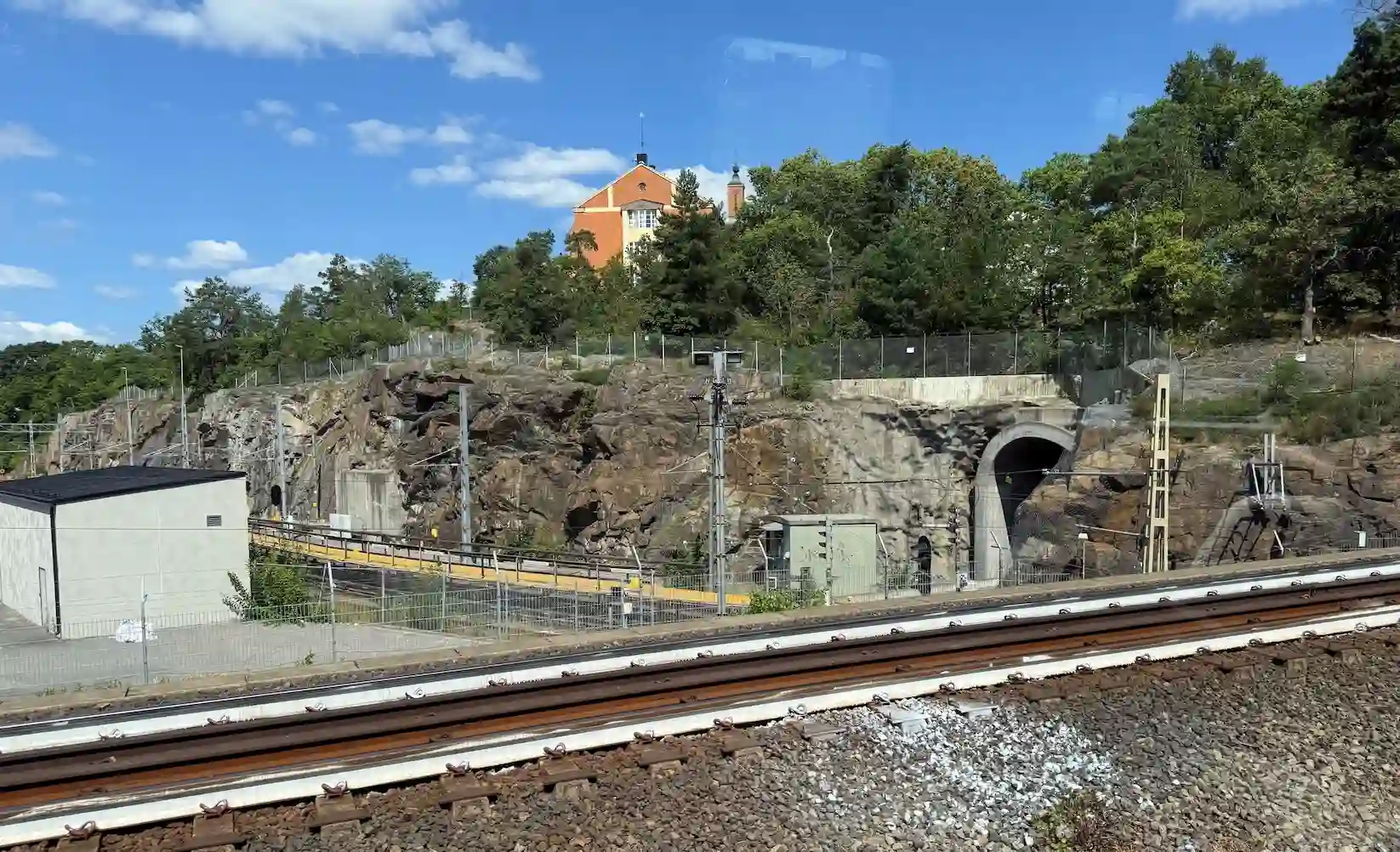
Not all solutions to combat the impacts of extreme heat necessitate sophisticated technology. In Stockholm, transport authorities have taken the initiative to paint sections of metro tracks white, reflecting sunlight to mitigate the risk of track buckling during high temperatures. The cost of this project was approximately 100,000 Swedish crowns (around $10,300) and was executed in May and June.

In Norway, where summer temperatures are typically mild, adaptation measures include spraying around 9,000 litres of water on key runway sections at Oslo Airport to prevent asphalt softening under the weight of aircraft. As temperatures are anticipated to reach 30 degrees Celsius—about 10 degrees higher than usual—the airport operator Avinor is also experimenting with a new heat-resistant asphalt.

Challenges Beyond Just Heat

Scientists highlight that the main challenge is not only elevated temperatures but the severe weather phenomena that accompany them. Storms, floods, and landslides can exacerbate risks for transport networks, often leading to more critical disruptions than the heat itself. Oliviero Baccelli, a professor at Milan’s Bocconi University, stated that climate-related events have already caused notable disturbances in Italy’s railway network.

A report by the EU released in April revealed that over 70 per cent of railway managers noted increasing disruptions stemming from extreme weather conditions. The cumulative effect of such interruptions has equated to losing one to three full years of service on rail networks across Europe between 2015 and 2024.

European nations are encouraged to learn from countries accustomed to operating transport systems in high temperatures. Martin Wilson from Alstom stressed that the growing frequency and intensity of heatwaves across Europe necessitate a rethinking of transport strategies, particularly in southern regions where infrastructure is already adapted to resist prolonged heat.

Long or Short, get news the way you like. No ads. No redirections. Download Newspin and Stay Alert, The CSR Journal Mobile app, for fast, crisp, clean updates!

App Store –  https://apps.apple.com/in/app/newspin/id6746449540 

Google Play Store – https://play.google.com/store/apps/details?id=com.inventifweb.newspin&pcampaignid=web_share

Latest News

Popular Videos
