


Eid Festivities Hit by Severe Water Crisis in Karachi as Residents Face Weeks Without Supply
The CSR Journal Magazine

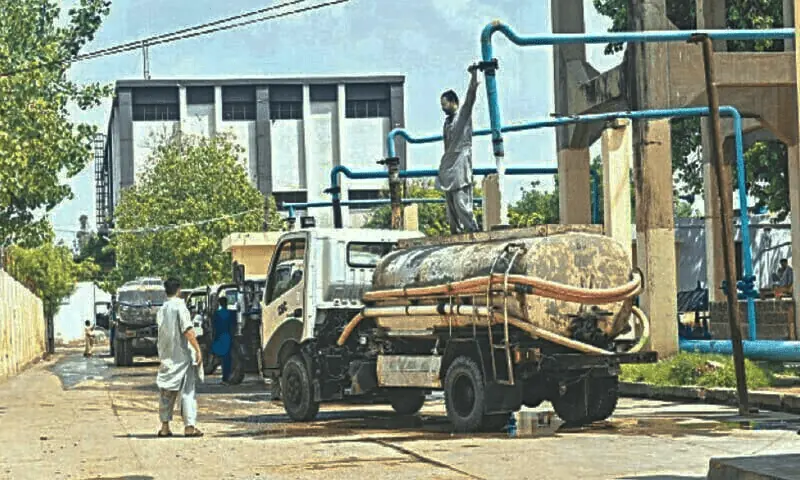
The recent Eid al-Adha celebrations in Karachi were marred by a continuing water crisis that has persisted for two months. Millions of residents in the city have been facing severe water shortages, which have exposed underlying infrastructural weaknesses and sparked growing dissatisfaction with urban services. The crisis, which began in late March, has led to widespread disruptions in water supply across various neighbourhoods.

Residents in densely populated areas such as Lyari, Orangi, Korangi, and Malir have reportedly gone for weeks without a steady water supply. This situation is especially concerning as local demand typically increases significantly during religious events, necessitating water for rituals, hygiene, and animal care. Many households have had to turn to costly private water tankers to meet their basic needs, which has placed additional financial strain on communities already grappling with inflation.

Infrastructure Issues and Service Failures

Ahmed Ali, the Chief Executive Officer of KWSC, has indicated that efforts are being made to restore regular supply during the Eid festivities. He cited electrical failures, primarily linked to K-Electric, as a key contributor to the ongoing disruptions. Nevertheless, despite these assurances, numerous residents in affluent neighbourhoods such as Clifton, DHA, Gulshan-i-Iqbal, and North Nazimabad have continued to experience severe water shortages, highlighting a disconnect between official statements and on-the-ground realities.

The situation has also led to political ramifications, with criticism directed towards local governing bodies. Members of opposition parties in the Sindh Assembly and the Karachi Metropolitan Corporation have called on provincial authorities to address the ageing infrastructure and to implement modernisation initiatives that could prevent such crises in the future.

Wider Implications for Governance and Urban Planning

This ongoing water crisis not only poses immediate challenges for Karachi’s residents but also underscores broader governance issues facing South Asian megacities. Rapid urban growth combined with inadequate infrastructure planning and recurrent power failures continue to compromise essential public services. The city’s water supply currently stands at around 650 million gallons per day, while the demand exceeds 1,250 million gallons, illustrating a significant shortfall.

The predicament in Karachi reflects a wider trend across urban areas in South Asia, where the strains of climate change and population growth are contributing to escalating challenges in water management and distribution. As cities struggle to cope with these issues, the urgent need for strategic planning and resilient infrastructure becomes increasingly apparent.

With Eid celebrations now past, residents are left to navigate the ongoing crisis, hoping for resolution as they face long-term challenges. While authorities have pledged to address the shortages, the situation continues to highlight the critical need for comprehensive reforms and improvements in urban service delivery to ensure that basic needs are met for all citizens.

Long or Short, get news the way you like. No ads. No redirections. Download Newspin and Stay Alert, The CSR Journal Mobile app, for fast, crisp, clean updates!

App Store –  https://apps.apple.com/in/app/newspin/id6746449540 

Google Play Store – https://play.google.com/store/apps/details?id=com.inventifweb.newspin&pcampaignid=web_share

Latest News

Popular Videos
