



Dhaka Introduces AI for Traffic Management, Aiming to Improve Road Safety

The CSR Journal Magazine

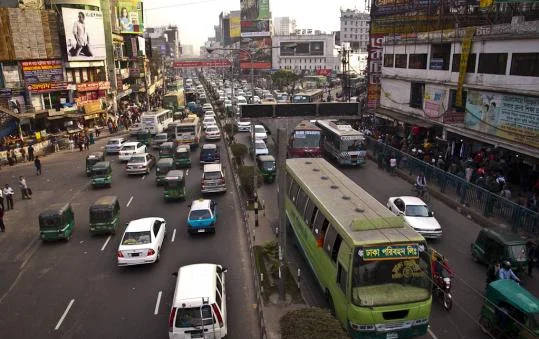
Authorities in Dhaka, the capital of Bangladesh, have initiated the use of artificial intelligence to tackle persistent traffic issues that plague the city. As the situation stands, traffic violations and congestion are rampant, with drivers often ignoring road signs. In this environment, crossing the streets can pose significant risks to pedestrians.

In April 2026, Dhaka police launched an AI-driven traffic monitoring system designed to improve the enforcement of traffic laws. This technologically advanced system connects roadside cameras with intelligent software capable of automatically recognising infractions like running red lights, improper parking, and lane changes.

The introduction of this system is seen as a substantial effort to modernise a traditionally outdated traffic management framework that has long been subject to criticism for being inconsistent and overly reliant on manual enforcement methods.

Impact on Driver Behaviour

Reports indicate a shift in driver behaviour since the AI was implemented. Traffic Sergeant SM Nazim Uddin stated that, prior to the introduction of AI, confronting rule-breakers often led to conflict between the police and drivers. However, he noted that compliance has improved since the new system’s introduction, reducing the frequency of daily disputes.

One motorist, Hannan Rahman Jibon, experienced the results of the system firsthand. He recounted that after running a red light, a notification was sent to the vehicle’s registered owner at home. This incident has since made him more cautious in his driving habits.

According to police spokesperson N.M. Nasiruddin, the AI software leverages existing traffic surveillance feeds to automatically identify and flag potential violations, which are then confirmed by human operators. The system has reportedly allowed authorities to issue around 300 prosecutions so far.

Challenges Ahead for Traffic Management

While the initial results from the AI system are encouraging, significant challenges remain in Dhaka’s traffic management landscape. Issues such as the readability of vehicle number plates continue to impede the effectiveness of the cameras, particularly when plates are damaged, unclear, or inadequately sized.

Moreover, the large number of pedal rickshaws presents additional regulatory challenges. Authorities are exploring how best to integrate these vehicles into the new system without complicating enforcement procedures. Future enhancements to the AI technology may include features that identify vehicles driving on footpaths, which would further improve traffic regulation.

Despite the promise shown by AI in managing traffic, experts caution that long-term success will depend on consistent enforcement of traffic rules. Until such measures are taken, the overall effectiveness of technology in addressing the city’s traffic woes remains uncertain. Nonetheless, residents hold onto hope that these early advancements might pave the way for more manageable traffic conditions in the future.

Long or Short, get news the way you like. No ads. No redirections. Download Newspin and Stay Alert, The CSR Journal Mobile app, for fast, crisp, clean updates!

App Store –  https://apps.apple.com/in/app/newspin/id6746449540 

Google Play Store – https://play.google.com/store/apps/details?id=com.inventifweb.newspin&pcampaignid=web_share

Latest News

Popular Videos