


Delhi High Court Allows Withdrawal of PIL for Fundamental Rights Relief
The CSR Journal Magazine

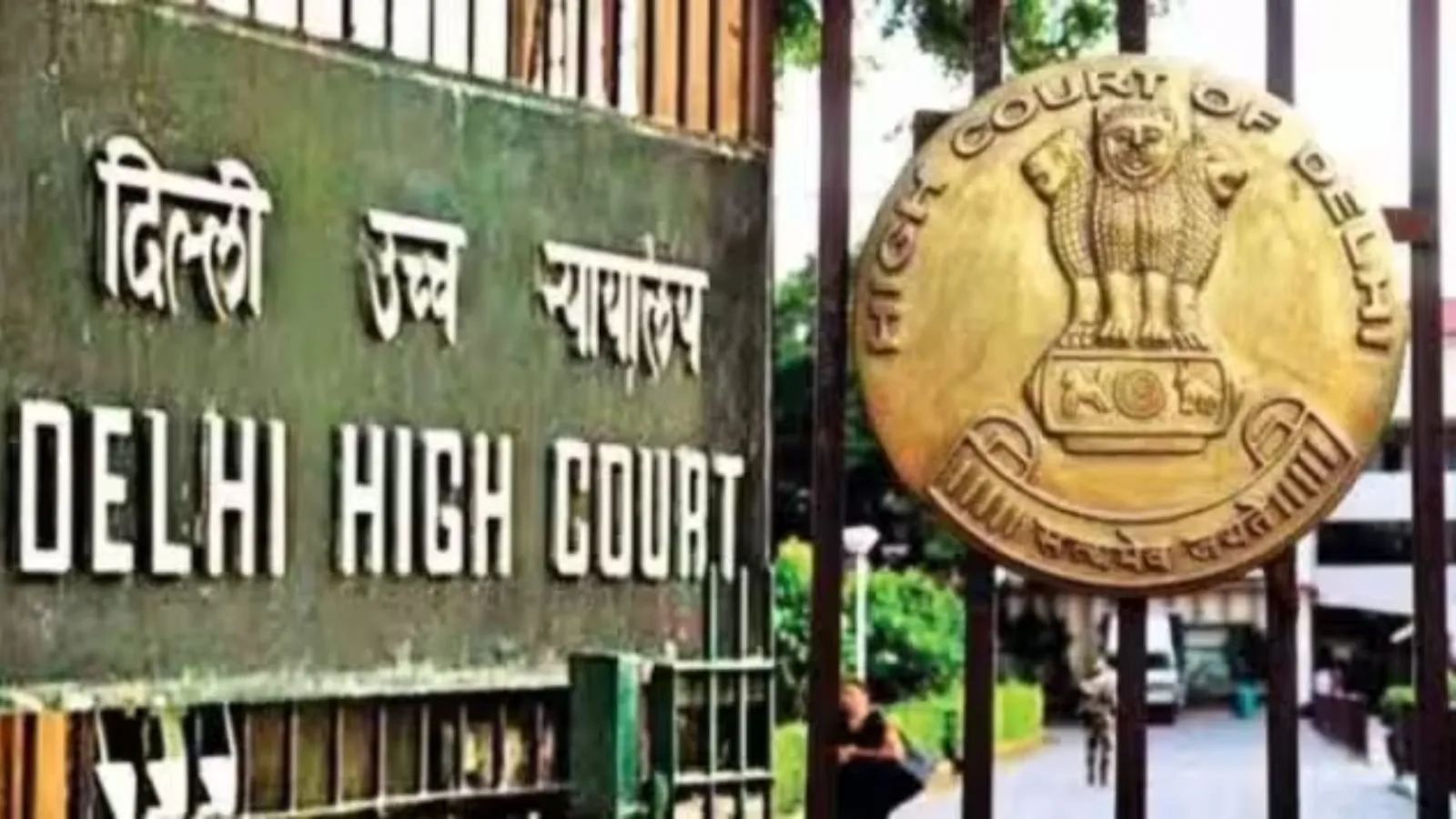
The Delhi High Court recently granted permission for the withdrawal of a Public Interest Litigation (PIL) that sought broad directions for the enforcement of a variety of fundamental rights under Article 21 of the Indian Constitution. The Court determined that the requests made in the petition were overly expansive, thereby precluding adjudication in their current form.

A Division Bench consisting of Chief Justice D.K. Upadhyaya and Justice Tejas Karia stated that while the petitioner approached the Court with public intentions, the nature of the reliefs sought was too sweeping. The judges underlined that the Court could not address such broad requests effectively, prompting the decision to allow the petitioner’s withdrawal.

Details of the PIL and Petitioner’s Intentions

The PIL was initiated by Advocate Sunil Kumar Sharma, who represented himself in the case. The petition invoked Article 226 of the Constitution, requesting a writ of mandamus to mandate the implementation of various rights derived from Article 21 for all Indian citizens. The petitioner argued that the right to life under Article 21 includes essential rights such as medical treatment, a means of livelihood, a safe environment, timely legal proceedings, protection of reputation, access to clean water, education, and health services, as well as protections against wrongful detention.

Furthermore, the petition asked for clarity regarding citizenship acquired by birth and sought to recognise passports as definitive proof of citizenship. The petitioner also called for reforms to enhance the employability of students in school education by advocating for compulsory vocational training in various trades, including carpentry, plumbing, electrical work, and computer skills. The aim was to reduce unemployment among the youth by equipping them with marketable skills.

The petitioner emphasised that the PIL was filed in the interest of the public, without any personal or private motives. This assertion highlighted the intention to benefit society at large rather than seek individual gain. However, the High Court was not inclined to entertain the PIL in its current configuration.

Court’s Ruling and Future Considerations

The High Court ultimately declined to accept the PIL as it stood, highlighting that the wide-ranging reliefs requested were unsuitable for consideration in a single legal proceeding. The judges specified that the petitioner was permitted to withdraw the initial plea and could potentially file a new petition that would focus on more narrowly defined issues and specific grievances.

This decision by the Delhi High Court reflects a commitment to ensuring that public interest litigations remain focused and manageable, allowing the Court to address specific grievances effectively. The provision to refile a more tailored petition enables the petitioner to concentrate on particular issues that might warrant judicial intervention.

The ruling underscores the requirement for petitions brought before the Court to maintain a clear and concise focus in order to facilitate proper adjudication. As the petitioner considers the next steps, there remains a possibility for addressing vital concerns that align with the principles of Article 21 while adhering to judicial protocols and efficiency.

Long or Short, get news the way you like. No ads. No redirections. Download Newspin and Stay Alert, The CSR Journal Mobile app, for fast, crisp, clean updates!

App Store –  https://apps.apple.com/in/app/newspin/id6746449540 

Google Play Store – https://play.google.com/store/apps/details?id=com.inventifweb.newspin&pcampaignid=web_share

Latest News

Popular Videos
