


Defence Minister Rajnath Singh Chairs Meeting on West Asia Situation
The CSR Journal Magazine

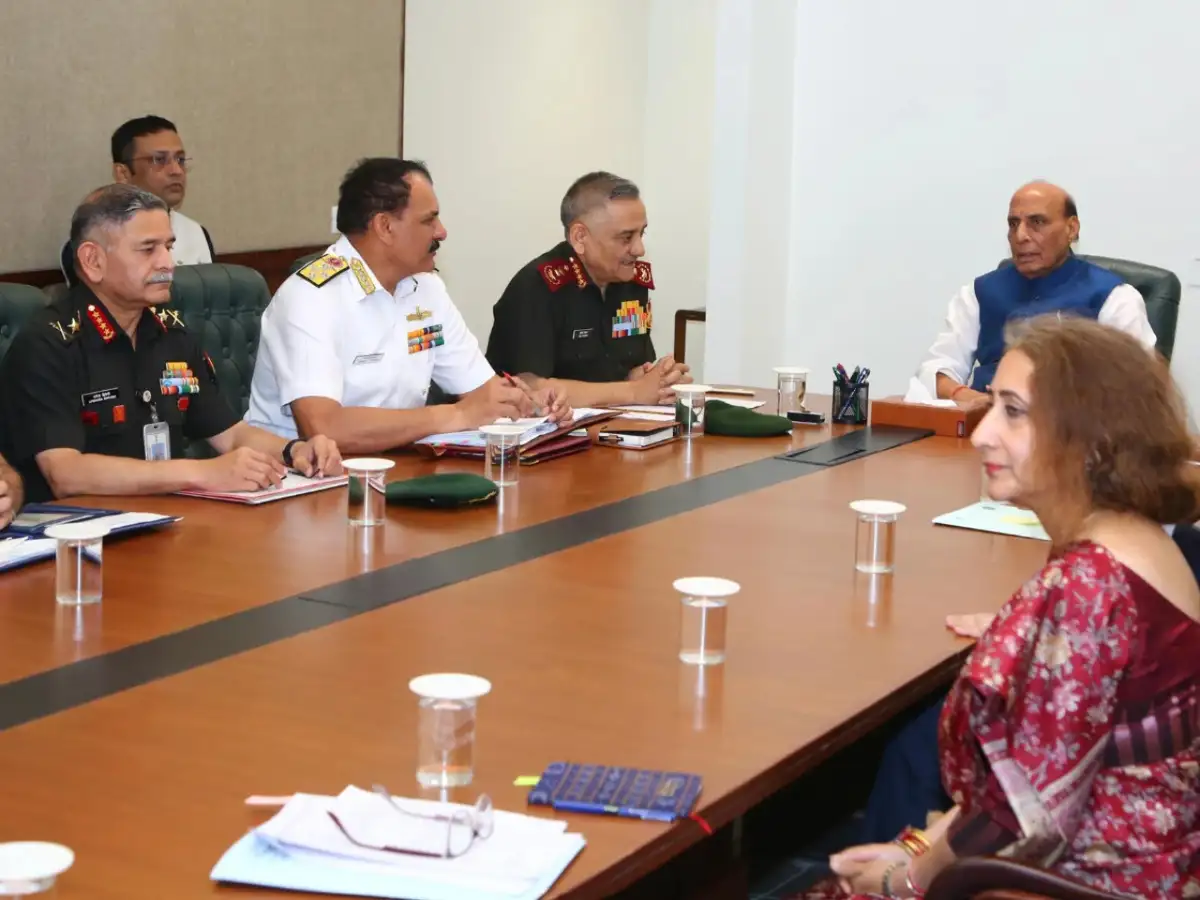
Defence Minister Rajnath Singh chaired a meeting of the Informal Empowered Group of Ministers (IGoM) on May 11, in New Delhi. This gathering aimed to assess the evolving situation in West Asia and discuss various associated issues. The establishment of the IGoM signifies the government’s attentiveness to developments in this critical region.

The IGoM’s role includes monitoring ongoing events in West Asia, which have significant implications for India’s strategic interests and regional stability. Notably, the meeting is part of broader governmental efforts to ensure proactive responses to international developments.

Prime Minister Calls for Economic Resilience

On May 10, Prime Minister Narendra Modi addressed the nation from Hyderabad, urging every Indian to partake in a collective movement aimed at enhancing economic resilience. His speech came against the backdrop of escalating global tensions and disruptions in supply chains, which have adversely affected local economies.

Modi framed the present crisis as a challenge not only for the government but also a test of the nation’s character. He expressed that patriotism extends beyond the battlefield; it also comprises making responsible daily choices that benefit the country. This view has been articulated during a time of rising costs driven by international conflicts.

During his address, the Prime Minister encouraged citizens to rethink their consumption habits in order to bolster the nation’s financial stability. He recommended a shift towards more sustainable modes of transport, such as public transit and the use of electric vehicles. This strategic shift aims to tackle the volatility in fuel prices while encouraging energy conservation.

Citizens Urged to Prioritise Domestic Economy

The Prime Minister’s message emphasized the importance of conserving foreign exchange reserves. He called upon citizens to limit non-essential foreign travel, overseas holidays, and lavish expenditures such as foreign weddings. Promoting domestic tourism and celebrating events within India were highlighted as essential actions to safeguard the country’s economic interests.

Additionally, Modi urged the public to avoid non-essential purchases of gold for a year, indicating that such measures would alleviate pressure on foreign exchange outflows. He further encouraged prioritising “Made-in-India” products, asserting that consumer choices directly impact economic health.

In addressing the agricultural sector, PM Modi advocated for a shift towards natural farming practices. He proposed a 50 per cent reduction in chemical usage, framing farmers as vital participants in both environmental sustainability and economic independence. Through these measures, the Prime Minister seeks to enhance not only the agricultural landscape but also national food security.

The overarching message from Modi was one of unity and individual responsibility. He posited that the strength of India rests in the collective efforts of its 1.4 billion citizens. This narrative underlines that the future trajectory of the nation will depend significantly on everyday choices made by individuals regarding consumption and sustainability.

Long or Short, get news the way you like. No ads. No redirections. Download Newspin and Stay Alert, The CSR Journal Mobile app, for fast, crisp, clean updates!

App Store –  https://apps.apple.com/in/app/newspin/id6746449540 

Google Play Store – https://play.google.com/store/apps/details?id=com.inventifweb.newspin&pcampaignid=web_share

Latest News

Popular Videos
