


India Screens Nearly 11,000 Travellers Following Ebola Emergency
The CSR Journal Magazine

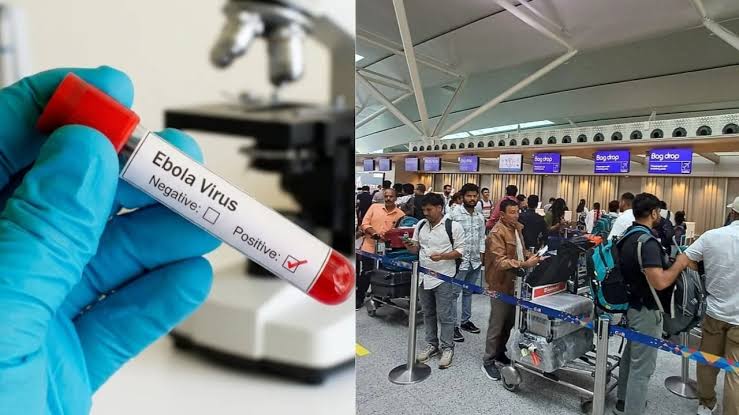
In response to an Ebola alert, India has conducted screenings on nearly eleven thousand travellers as a precautionary measure. This initiative was set in motion following reports of Ebola cases in Africa, prompting officials to bolster the country’s health protocols. The Ministry of Health and Family Welfare mobilised resources to enhance monitoring at airports and other entry points.

The screenings included health checks and temperature assessments of passengers arriving from countries where Ebola outbreaks were reported. Health officials aimed to identify any individuals exhibiting symptoms of the virus promptly, thereby minimising potential risk. The thorough approach reflects India’s commitment to maintaining public health safety amid growing international concern about infectious diseases.

Healthcare professionals have established dedicated teams at various airports to manage and facilitate the process efficiently. Significant emphasis has been placed on training personnel to recognise symptoms associated with Ebola and to implement preventative measures. Authorities have reiterated their readiness to respond swiftly to any situation involving the virus.

No Cases Detected So Far

Despite the extensive screening, no cases of Ebola have been detected among the travellers monitored. The successful identification of potential cases is credited to the rigorous protocols put in place by the health ministry. Officials remain vigilant in their efforts and are closely coordinating with international health organisations for updated information on the epidemic.

In light of the situation, the Ministry of Health has encouraged travellers to remain informed about health advisories. Public awareness campaigns are also being conducted to educate citizens on the relevant symptoms and preventive measures against Ebola. The proactive communication aims to alleviate public concern while encouraging responsible behaviour among travellers and communities.

Health experts have pointed out the importance of early detection and prompt action in containing infectious diseases. They stress the need for ongoing surveillance and preparedness at various levels of the healthcare system. This approach plays a pivotal role in ensuring that any potential threats are addressed before they can escalate.

International Collaboration in Disease Control

India’s measures coincide with global efforts to combat the spread of Ebola. The World Health Organisation (WHO) has been actively involved in monitoring outbreaks and providing guidance to affected regions. Collaborations between countries have intensified, focusing on enhancing communication channels for sharing information related to disease transmission and management practices.

The Indian government is reportedly working closely with diplomatic missions and international health agencies to address challenges posed by the potential spread of Ebola. As part of this collaboration, India’s health ministry is participating in international forums to discuss strategies for containing the virus and strengthening response frameworks for future public health emergencies.

Ongoing commitment to international cooperation is seen as vital in the eradication of deadly diseases such as Ebola. The focus on sharing research, resources, and best practices is crucial for global public health security. India’s collaborative efforts underscore the significance of a united front in the battle against infectious diseases.

Long or Short, get news the way you like. No ads. No redirections. Download Newspin and Stay Alert, The CSR Journal Mobile app, for fast, crisp, clean updates!

App Store –  https://apps.apple.com/in/app/newspin/id6746449540 

Google Play Store – https://play.google.com/store/apps/details?id=com.inventifweb.newspin&pcampaignid=web_share

Latest News

Popular Videos
