


Waris Punjab De Grants Ticket to Son of Indira Gandhi Assassination Convict for 2027 Elections
The CSR Journal Magazine

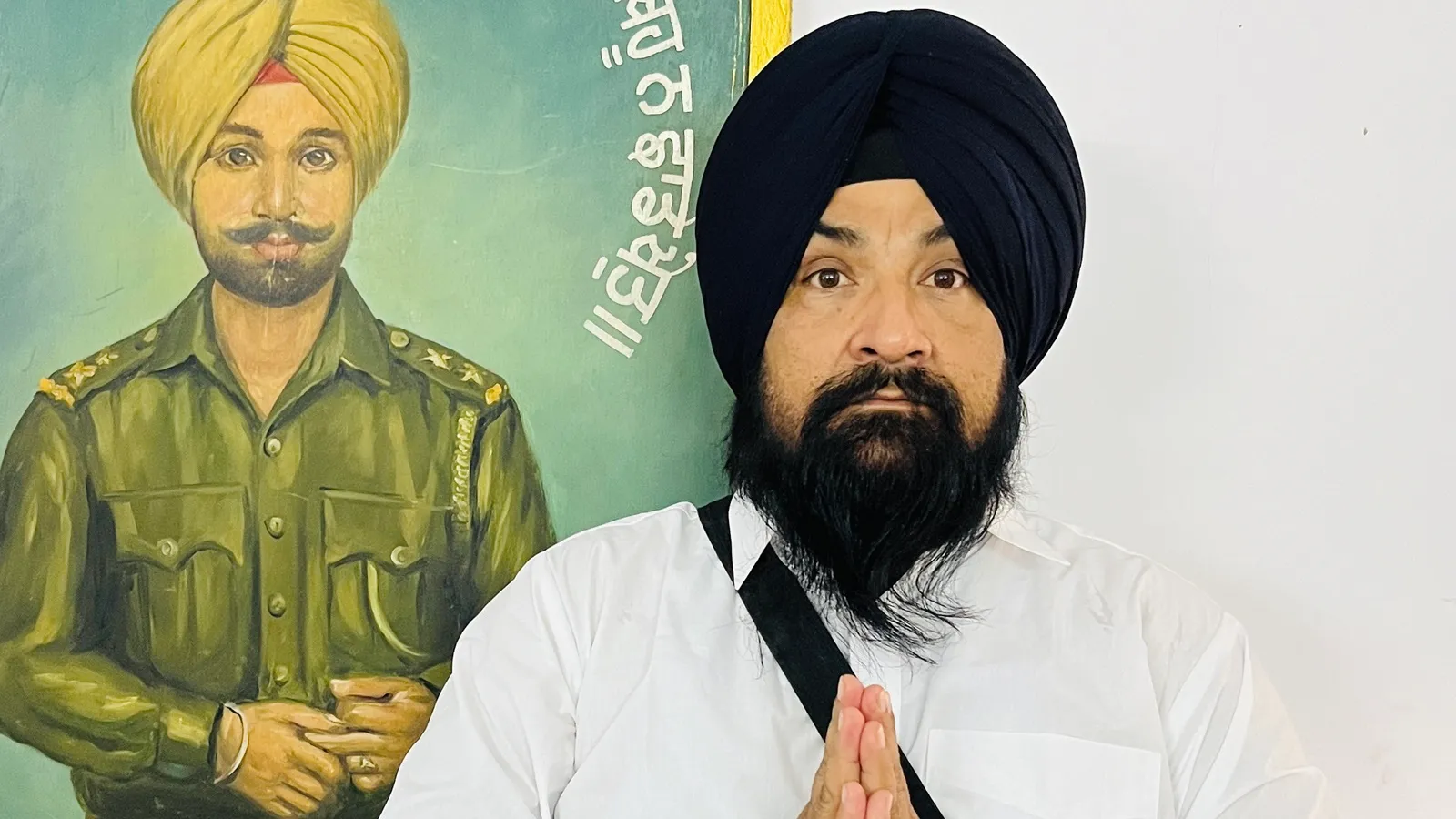
Waris Punjab De has officially nominated the son of a convict involved in the assassination of former Prime Minister Indira Gandhi for the upcoming 2027 elections. This decision marks a significant political move by the party as it seeks to strengthen its presence in Punjab’s political arena. The nomination has sparked discussions across various platforms, garnering diverse reactions from the public and political analysts alike.

Background of the Convict

The convict in question was implicated in the assassination of Indira Gandhi, which occurred on October 31, 1984. This event precipitated widespread unrest and significant political ramifications in India. The nomination of the convict’s son illustrates a continuation of the intricate political legacies that often influence electoral dynamics in the region. Waris Punjab De aims to tap into a complex narrative surrounding historical events to galvanise support from specific voter demographics.

Political Context and Implications

This announcement by Waris Punjab De is set against the backdrop of increasing polarisation in Punjab politics. The party is poised to leverage its controversial choice to appeal to a segment of the electorate that may resonate with the historical struggles associated with Sikh identity and political representation. As the elections approach, party leaders will need to navigate the potential backlash while also energising their core support base.

The implications of endorsing a candidate from such a contentious background could impact voter sentiments. Some analysts suggest that this might rally support among those who view the conviction as unjust, while others argue it could alienate potential voters who hold differing views on historical events related to the assassination. The party’s strategy will likely evolve as they assess public reaction leading up to the elections.

Public and Political Reactions

Initial reactions from the public have been mixed, with some expressing support for the decision, asserting that it brings a fresh perspective to the political landscape. Conversely, others have condemned the nomination, highlighting the sensitive nature of the historical implications tied to Indira Gandhi’s assassination. Public discourse surrounding the candidate is likely to intensify as the election date approaches, prompting further scrutiny of the candidate’s past and the party’s motivations.

Political commentators emphasise the need for parties to be cautious with such nominations, particularly in contexts laden with historical significance. The Waris Punjab De leadership now faces the challenge of maintaining momentum while managing the potential fallout from their decision. The dynamics of this situation could set a precedent in how political parties choose candidates, especially from backgrounds steeped in controversy.

As the nomination process unfolds, voters may increasingly evaluate candidates not just based on their political platform but also their connections to historical events and the narratives those events foster within the community. This evolving context will require political parties to engage thoughtfully with their constituents and the historical context in which they operate.

Long or Short, get news the way you like. No ads. No redirections. Download Newspin and Stay Alert, The CSR Journal Mobile app, for fast, crisp, clean updates!

App Store –  https://apps.apple.com/in/app/newspin/id6746449540 

Google Play Store – https://play.google.com/store/apps/details?id=com.inventifweb.newspin&pcampaignid=web_share

Latest News

Popular Videos
