


55 US Warships Deployed to Enforce Iran Blockade While Allowing Humanitarian Aid
The CSR Journal Magazine

The US Central Command (CENTCOM) announced on August 10, that US naval forces have redirected 55 commercial vessels as part of efforts to enforce the blockade against Iran. The communication was made via a post on X, emphasising the ongoing military operations in the region.

According to CENTCOM, the USS Ross (DDG 71) is among over 20 US warships currently deployed in the Middle East, supporting various military missions. CENTCOM detailed that as of August 9, two vessels were reportedly disabled and two more boarded to ensure compliance with the blockade.

This announcement follows earlier reports by CENTCOM concerning maritime operations, which include allowing a number of vessels transporting humanitarian aid to navigate through the blockade. The command reiterated its commitment to maintaining situational awareness and operational readiness in the area.

Humanitarian Aid Passage Concerns

In its recent briefing, CENTCOM highlighted that more than 30 ships carrying humanitarian assistance have been permitted passage through the blockade. Meanwhile, sailors aboard the USS Abraham Lincoln (CVN 72) are conducting maintenance on F/A-18E Super Hornets to ensure operational readiness.

As of August 8, CENTCOM had redirected a cumulative total of 53 commercial vessels and reported similar numbers regarding disabled and boarded ships. The focus remains on facilitating vital aid while controlling maritime movements in a tense geopolitical landscape.

Both CENTCOM and US Navy officials maintain that the underlying aim of these operations is to ensure compliance with international maritime laws and to prevent activities that could destabilise the region further. The ongoing enforcement of the blockade underscores the complexities of military operations in this sensitive area.

US-Iran Relations and Military Strategy

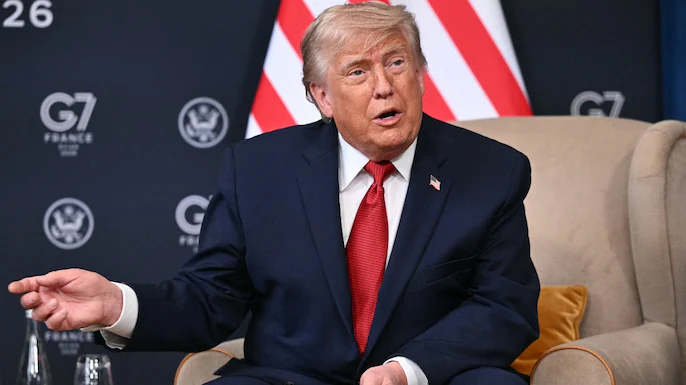
Tensions between the United States and Iran have escalated, particularly around the strategically important Strait of Hormuz, which plays a crucial role in global oil transportation. Recent statements from US President Donald Trump indicate a deliberate approach towards Iran, describing current US strategies as “low-key”.

Trump stated that there is no immediate intention to initiate a new military offensive while acknowledging the ongoing situation with Iran’s economy, which he described as dire. According to Axios, Trump remarked on the US’s approach to “semi-negotiating” with Iran, closely observing the developments within the country.

Moreover, US Vice President JD Vance recently emphasised ongoing efforts to establish secure passage for commercial shipping through the Strait of Hormuz. The administration continues to evaluate its strategies while exerting pressure on Iran amid increasing regional tensions, illustrating the multifaceted approach being adopted in this complex geopolitical situation.

Long or Short, get news the way you like. No ads. No redirections. Download Newspin and Stay Alert, The CSR Journal Mobile app, for fast, crisp, clean updates!

App Store –  https://apps.apple.com/in/app/newspin/id6746449540 

Google Play Store – https://play.google.com/store/apps/details?id=com.inventifweb.newspin&pcampaignid=web_share

Latest News

Popular Videos
