


Best Methods to Turn Off an Air Conditioner: Which Is Better, the Switch or the Remote?
The CSR Journal Magazine

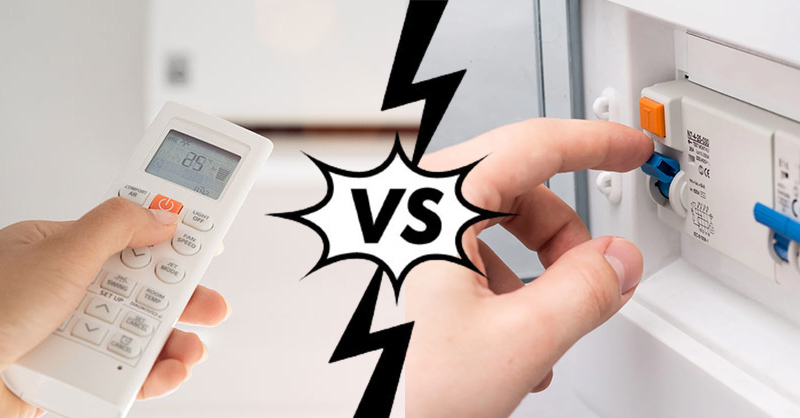
This article discusses effective methods to turn off an air conditioner, focusing on whether using a wall switch or a remote control is more efficient. Many users often find themselves in a dilemma when faced with this seemingly simple task. Understanding the functionalities of these controls can lead to more effective usage of air conditioning units.

The Benefits of Using a Remote Control

Utilising a remote control offers several advantages, primarily due to its convenience. With a remote, users can operate the air conditioner from a distance, making it particularly useful when one is already in a comfortable position. This feature not only helps in maintaining a comfortable atmosphere but also prevents unnecessary movement during hot conditions.

Additionally, remote controls often provide various settings beyond just shutting the unit down. They may include features such as timer settings or modes for energy saving. This can lead to more effective management of energy consumption, which is essential for both economical and environmental reasons. Many newer models come equipped with smart technology, allowing users to programme their units remotely.

However, it is vital to note that remote controls rely on batteries. A flat battery can lead to inconvenience, rendering the remote ineffective when needed most. Therefore, keeping spare batteries on hand can help counterbalance this drawback.

The Advantages of Using a Wall Switch

Switching off an air conditioner using the wall switch has its own set of benefits. One of the primary advantages is reliability; a wall switch will typically function without the need for batteries. Users can be assured that it will work whenever it is engaged, making it a straightforward solution for deactivating the unit.

Moreover, using a wall switch can be perceived as a more direct method of turning off the device. Users simply flip the switch, and the air conditioner is immediately powered down. This can be especially beneficial in scenarios where quick action is necessary, such as in the event of a power outage or during electrical storms.

On the downside, accessing the wall switch might necessitate getting up from one’s position, which could disrupt comfort. This can be an important factor during hot weather when minimal movement is preferable. However, the consistency and simplicity of using a wall switch remains appealing to many.

Conclusion: Selecting the Best Method

In conclusion, both methods for turning off an air conditioner have their merits and disadvantages. The choice between using a remote control or a wall switch largely depends on the user’s specific needs and circumstances. For those prioritising convenience and advanced features, relying on a remote control may be the best choice. Conversely, for individuals who favour a direct and dependable approach, the wall switch proves to be a reliable option.

Ultimately, understanding the functionalities and potential limitations of both methods allows users to make informed decisions. Ensuring the availability of tools like batteries for remotes and maintaining easy access to wall switches can enhance the overall experience of operating air conditioning units.

Whichever method one chooses, the primary aim remains the same: to effectively manage the indoor climate for comfort while optimising energy usage. This way, users can enjoy the benefits of modern air conditioning without unnecessary hassles.

Long or Short, get news the way you like. No ads. No redirections. Download Newspin and Stay Alert, The CSR Journal Mobile app, for fast, crisp, clean updates!

App Store –  https://apps.apple.com/in/app/newspin/id6746449540 

Google Play Store – https://play.google.com/store/apps/details?id=com.inventifweb.newspin&pcampaignid=web_share

Latest News

Popular Videos
