


World Health Organization Estimates 22.1 Million Excess COVID-19 Deaths Worldwide
The CSR Journal Magazine

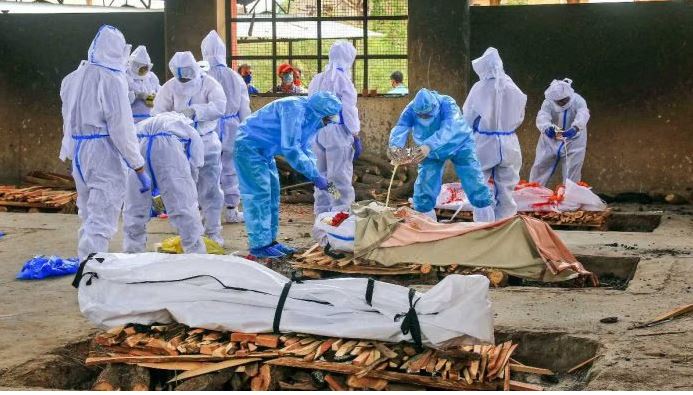
The World Health Organisation (WHO) has revealed that the death toll from the Covid-19 pandemic is likely much higher than the figures officially acknowledged. According to the WHO’s analysis, an estimated 22.1 million excess deaths occurred globally between 2020 and 2023, a stark contrast to the approximately 7 million fatalities officially reported by countries during the same period.

This startling discrepancy underscores the significant impact the pandemic had on global health and exposes systemic flaws in mortality data collection and reporting practices in various nations. The notion of excess deaths incorporates not only those directly attributed to Covid-19 but also fatalities indirectly linked to the pandemic’s effects.

The indirect deaths could have arisen from a range of factors, including healthcare system overload, delays in medical treatment, unavailability of healthcare practitioners, or patients being unable to seek care for other illnesses due to pandemic-induced lockdowns and healthcare disruptions. The report provides crucial insights into the pandemic’s far-reaching effects on health systems and communities around the globe.

Mortality Trends and Demographic Insights

Among the findings, the WHO noted that the most lethal phase of the pandemic occurred in 2021, during which the world witnessed an estimated 10.4 million excess deaths. This period was marked by the rapid spread of more virulent coronavirus variants, which further strained healthcare systems that were already grappling with shortages of essential resources like oxygen, intensive care unit beds, medications, and medical personnel.

While excess mortality rates decreased after 2021, the repercussions continued into subsequent years, with 3.3 million excess deaths reported globally in 2023. This statistic illustrates that the impact of Covid-19 persisted well after the peak infection waves.

Importantly, the WHO’s report also highlighted significant gender disparities in mortality rates. Throughout the pandemic, men exhibited a consistently higher excess mortality rate compared to women. At the peak in 2021, age-standardised mortality rates for men were nearly 50 per cent higher than those for women, indicating a need to explore the underlying factors contributing to this trend more closely.

Challenges in Mortality Reporting

The WHO’s findings also shed light on the demographic aspects that contributed to excess mortality. Notably, older populations were disproportionately affected, with individuals aged 85 and above experiencing mortality rates that were approximately ten times higher than those of younger adults. Many older adults had pre-existing health conditions, such as diabetes and heart ailments, which made them more susceptible to severe complications from Covid-19.

Moreover, the analysis raised concerns about the reliability of mortality reporting systems worldwide. Several low- and lower-middle-income countries reportedly faced a much more substantial underlying impact from the pandemic than initial statistics suggested, primarily due to inadequate death registration systems and the lack of robust health data monitoring.

The WHO emphasized the urgent necessity for improved mortality tracking systems as a critical element in addressing future pandemics and health crises. Accurate data enables governments to identify high-risk populations, allocate healthcare resources efficiently, and respond rapidly to emerging threats to public health.

Long or Short, get news the way you like. No ads. No redirections. Download Newspin and Stay Alert, The CSR Journal Mobile app, for fast, crisp, clean updates!

App Store –  https://apps.apple.com/in/app/newspin/id6746449540 

Google Play Store – https://play.google.com/store/apps/details?id=com.inventifweb.newspin&pcampaignid=web_share

Latest News

Popular Videos
