


Medicines Issued to Dead Patients? KGMU Faces Serious Cancer Treatment Scam Allegations
The CSR Journal Magazine

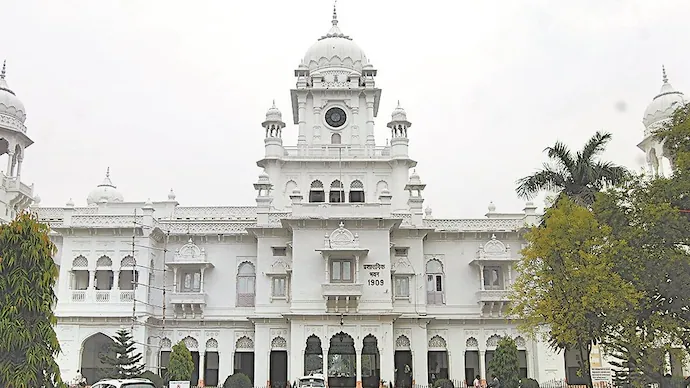
The investigation centred on King George’s Medical University (KGMU) in Lucknow, a major government hospital in Uttar Pradesh, has unveiled alarming allegations regarding the improper distribution of medicines meant for cancer patients. This has sparked serious concerns about the treatment of vulnerable individuals seeking help. Allegedly, the Urology Department has been implicated in a scam, diverting funds intended for lifesaving treatments and inflating patient records.

Preliminary findings from the investigation reveal that high-value medications supplied under the Uttar Pradesh government’s Asadhya Yojana, which is designed to provide free treatment for life-threatening illnesses, were manipulated. Reports suggest that medicines worth crores of rupees were logged as issued to patients despite uncertainty about their actual delivery. Investigators have flagged discrepancies totalling approximately Rs 2 crore as they delve deeper into the matter.

Suspicious Administration of Medications

The medications under scrutiny are not ordinary drugs; their costs are significant. For instance, an injection supplied through the government scheme can range from Rs 8,000 to Rs 10,000 in hospitals, while prices in the market fluctuate between Rs 50,000 and Rs 1 lakh. As the investigation unfolded, it became evident that some patients were reportedly documented as receiving express doses of these treatments, far exceeding the standard medical guidelines.

In particular, findings suggest that injections typically administered once every six months were falsely recorded as being dispensed multiple times within a single month. Additional alarming revelations emerged, including records indicating that medicines were attributed to patients posthumously, exemplifying a backdrop of fraudulent activity affecting patients who have already passed away.

Instances were also uncovered where medicines were documented as dispensed to individuals who were not registered cancer patients, raising further questions about the integrity of the records.

Rising Financial Concerns and Patient Accounts

The KGMU administration previously reported a steady medicine expenditure of around Rs 10 lakh monthly under the scheme until late 2025. However, by March 2026, that figure allegedly surged to about Rs 45 lakh, prompting an audit of distribution and inventory records in light of these financial irregularities. This significant increase in expenses forced the authorities to reassess their financial accounting procedures.

Moreover, patients and their families have voiced grievances regarding the alleged non-receipt of medications. For instance, Rajan Prasad from Hardoi claims he did not receive his prescribed treatments consistently. Similarly, a patient from Rae Bareli expressed disappointment in having to fund his own medications, despite the initial expectations of receiving support under the government scheme.

Another case involves Mohammad Kaleem from Shahjahanpur, who reported a lack of awareness regarding the benefits associated with the Asadhya Yojana, demonstrating the gaps in communication and support for patients accessing these vital services.

Ongoing Investigations and Institutional Response

Current investigations are assessing the possibility of a broader network of wrongdoing that may extend beyond lower-level staff. Contract workers responsible for medicine distribution have been suspended, while other individuals under suspicion remain restricted to the department head’s office during the inquiry.

Reports indicate that a medical store situated on the hospital premises returned medicines valued at nearly Rs 15 lakh following investigations and inspections. The role of doctors is also under scrutiny, as prescribed medications cannot be issued without proper authorisation, leading to questions about potential forgery of signatures.

KGMU management has committed to implementing strict measures once the investigation concludes. Officials have suggested that criminal charges may be filed, financial restitution sought, and employment terminated where appropriate. This situation extends beyond financial implications, highlighting the serious implications for cancer patients who seek care yet find themselves embroiled in a significant controversy that directly impacts their treatment options.

Long or Short, get news the way you like. No ads. No redirections. Download Newspin and Stay Alert, The CSR Journal Mobile app, for fast, crisp, clean updates!

App Store –  https://apps.apple.com/in/app/newspin/id6746449540 

Google Play Store – https://play.google.com/store/apps/details?id=com.inventifweb.newspin&pcampaignid=web_share

Latest News

Popular Videos
