


Ebola Outbreak in Congo Spreading Rapidly Amid Ongoing Conflicts
The CSR Journal Magazine

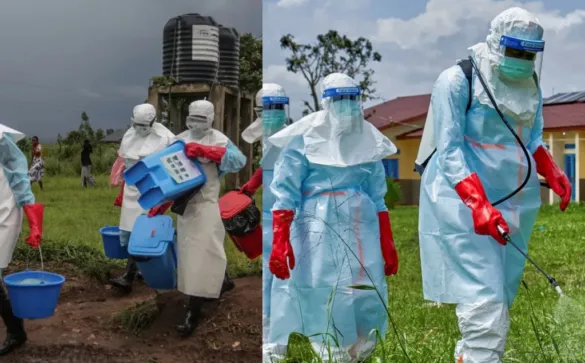
The World Health Organisation (WHO) has asserted that experimental vaccines and treatments for the current Ebola outbreak, attributed to the Bundibugyo virus, should only undergo formal clinical trials. This caution is issued as the Democratic Republic of Congo (DRC) faces a significant rise in Ebola cases, with additional reports emerging from neighbouring Uganda. WHO is collaborating with health authorities in both nations as well as partners including the Africa CDC to swiftly assess potential vaccines and treatments under rigorous ethical guidelines.

Currently, there is no approved vaccine, specific treatment, or rapid diagnostic tool tailored for the Bundibugyo strain, complicating management efforts. Potential vaccine and treatment candidates have been identified as suitable candidates for clinical trial prioritisation.

Public Health Emergency Declared Amid Conflict

The latest Ebola outbreak has emerged in eastern Congo, a region already ravaged by prolonged armed conflict, displacement, and inadequate healthcare systems. Recently, WHO designated the outbreak as a Public Health Emergency of International Concern, noting that the magnitude of infections is likely much greater than officially documented. Estimates suggest that over 1,000 confirmed and suspected cases have surfaced in Congo, accompanied by hundreds of fatalities. However, actual figures may be significantly higher due to the virus potentially spreading without detection for weeks before it was recognised.

Healthcare professionals have indicated that one challenge in diagnosing the outbreak stemmed from the standard Ebola tests, which were not designed to identify the Bundibugyo variant and initially failed to detect it. This issue has resulted in delays in patient diagnoses, complicating response efforts.

Ebola Crisis Escalates in Mining Towns

Mongbwalu, a remote mining municipality in northeastern Congo located approximately 111 kilometres from Nyankunde, is at the outbreak’s epicentre. The area, known for its gold mining activities, has thousands of miners and traders battling tough working conditions with minimal resources. The virus has rapidly propagated within these mining communities, where health facilities are severely limited. Therefore, many ill miners must undertake long journeys to seek medical care.

Dr. Charles Kashindi, a key healthcare worker at Nyankunde Hospital, stated that several infected miners only reach medical facilities when their conditions have become dire. Reports note that one patient died just hours after arriving at the hospital, indicating the urgent need for better healthcare access in these regions.

Geographical challenges and ongoing violence significantly hinder medical response efforts. The area has endured over three decades of conflict. WHO Director-General Tedros Adhanom Ghebreyesus has highlighted the dangerous intersection of warfare and disease within Congo, stressing that these factors make it exceedingly difficult to contain the Ebola outbreak.

Worsening Conditions for Healthcare Providers

Healthcare workers are also facing significant challenges as they manage not only Ebola but also other diseases like malaria, measles, and severe malnutrition. Tragically, several healthcare professionals treating Ebola patients have lost their lives. The Bundibugyo virus, which first emerged in Uganda in 2007, spreads through direct contact with the bodily fluids of infected individuals.

Symptoms often start with fever, weakness, vomiting, and diarrhoea, but can progress to symptoms like severe bleeding, organ failure, and death in critical cases. Currently, there remains no vaccine or approved treatment specifically for this strain of Ebola, and the absence of a rapid diagnostic test has exacerbated delays in diagnosis.

In terms of global health implications, India has reported no cases of Ebola thus far. However, health authorities are monitoring incoming travellers from affected regions and advising against non-essential travel to outbreak-stricken areas. Currently, the risk to India is considered low, though vigilance remains essential as uncontrolled outbreaks can cross borders if not addressed promptly.

Long or Short, get news the way you like. No ads. No redirections. Download Newspin and Stay Alert, The CSR Journal Mobile app, for fast, crisp, clean updates!

App Store –  https://apps.apple.com/in/app/newspin/id6746449540 

Google Play Store – https://play.google.com/store/apps/details?id=com.inventifweb.newspin&pcampaignid=web_share

Latest News

Popular Videos
