


Ebola Outbreak in DR Congo: Over 80 Deaths and 246 Cases Reported
The CSR Journal Magazine

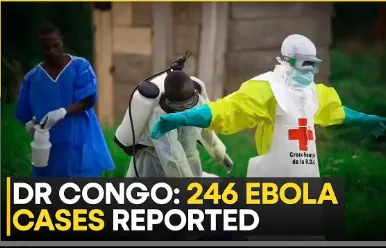
The ongoing Ebola outbreak in the Democratic Republic of the Congo has claimed the lives of more than 80 individuals. The health authorities have confirmed a rising number of cases, with a total of 246 reported in the Ituri Province. In response to the crisis, a health emergency has been declared to manage and mitigate the spread of the virus.

Local health officials are actively working to coordinate their response efforts, providing treatment to those affected and implementing preventive measures. These measures include vaccination campaigns, public awareness initiatives, and contact tracing to identify and isolate potential cases.

The World Health Organisation (WHO) has also been involved in the response, providing support and resources to local health systems. The collaboration between national and international health bodies aims to contain the outbreak and ensure that necessary medical support is available to those in need.

Symptoms and Transmission of Ebola

Ebola, a severe and often fatal disease, is characterised by symptoms such as fever, vomiting, diarrhoea, and bleeding. The virus is transmitted through direct contact with bodily fluids of infected individuals, making it crucial for healthcare workers and the public to adhere to strict hygiene practices.

As the outbreak progresses, authorities emphasise the importance of early detection and treatment. Individuals exhibiting symptoms are urged to seek medical attention immediately. The swift identification of cases is essential to prevent further transmission within communities.

Health officials have advised the public to refrain from handling or coming into contact with bodily fluids of anyone suspected to have the virus. They have also recommended avoiding gatherings where the risk of transmission could be heightened, particularly in rural areas where the outbreak is most pronounced.

Community Impact and Response Efforts

The outbreak has significant implications for communities in the affected regions, particularly in terms of healthcare access and economic stability. As families cope with the loss of loved ones, the local economy, which relies on agriculture and trade, faces challenges due to increased restrictions and fear of the virus.

In response, community leaders are rallying support for those affected by the outbreak. Initiatives have been launched to provide food and medical supplies to families in quarantine, ensuring that basic needs are met during this critical period.

Public health messaging is also being prioritised, with community meetings and information sessions aimed at educating residents about Ebola prevention and treatment. These efforts are essential for fostering trust in health authorities and encouraging widespread vaccination participation.

As part of the emergency declaration, local governments have mobilised additional resources to bolster healthcare facilities. These include training for medical personnel on Ebola treatment protocols and enhancing local capacity for managing potential future outbreaks.

Future Outlook on the Ebola Situation

Continued vigilance and community cooperation are imperative in the coming weeks. The importance of adhering to health recommendations and engaging in preventive behaviours cannot be overstated as efforts to manage the outbreak intensify.

The actions taken now will significantly influence the trajectory of the outbreak, underscoring the need for a concerted approach to overcome this public health challenge effectively.

Long or Short, get news the way you like. No ads. No redirections. Download Newspin and Stay Alert, The CSR Journal Mobile app, for fast, crisp, clean updates!

App Store –  https://apps.apple.com/in/app/newspin/id6746449540 

Google Play Store – https://play.google.com/store/apps/details?id=com.inventifweb.newspin&pcampaignid=web_share

Latest News

Popular Videos
