


Head and Neck Cancer No Longer Limited to Tobacco Users, Warn Oncologists
The CSR Journal Magazine

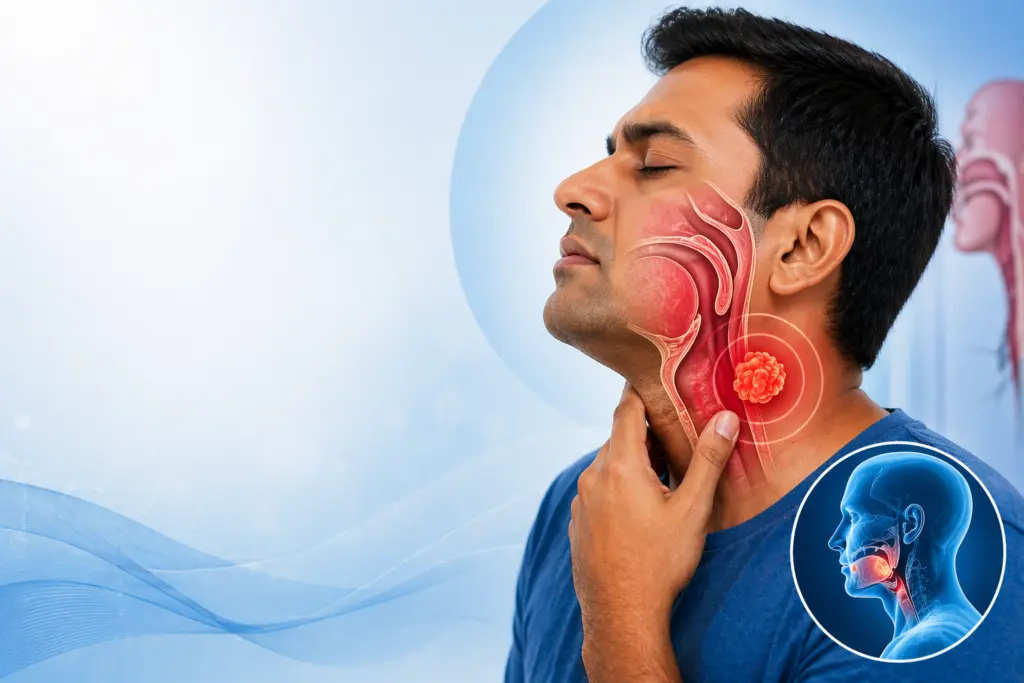
Head and neck cancers are increasingly being diagnosed in younger adults, including many with no history of smoking or tobacco use, marking a significant shift in the disease pattern, according to oncologists. Experts say infections caused by the Human Papillomavirus (HPV), a virus long associated with cervical cancer, are now emerging as a major contributor to cancers affecting the mouth, throat, tonsils and tongue.

On World Head and Neck Cancer Day, cancer specialists called for greater awareness about HPV vaccination, early diagnosis and timely treatment, stressing that preventing these cancers now extends beyond avoiding tobacco and alcohol.

HPV Changing the Pattern of Head and Neck Cancer

For decades, head and neck cancers were primarily associated with older people who had a long history of smoking, chewing tobacco or consuming alcohol. While these remain among the leading causes of the disease in India, doctors say the profile of patients is changing.

A growing number of cases are now linked to HPV, a sexually transmitted virus. High-risk strains, particularly HPV-16, can remain in the body for years without causing symptoms before triggering abnormal cell changes in the throat, tonsils and the base of the tongue that may eventually develop into cancer.

As a result, many patients diagnosed with HPV-related head and neck cancers have no history of tobacco use, highlighting the need for greater awareness of non-traditional risk factors.

Experts Highlight Importance of HPV Vaccination

Doctors say the HPV vaccine, commonly associated with preventing cervical cancer in girls and women, is equally important for boys.

By protecting against high-risk HPV strains, vaccination can reduce the future risk of HPV-related head and neck cancers. Since there is currently no routine screening test to detect HPV infection in the throat before cancer develops, experts describe vaccination as the most effective preventive measure.

Specialists recommend routine HPV vaccination between the ages of nine and 12 years. Catch-up vaccination is advised up to the age of 26 for those who missed earlier doses, while adults aged 27 to 45 may also benefit after consulting their doctor about their individual risk.

Who Is at Higher Risk?

Unlike cervical cancer, there is no population-wide screening programme for head and neck cancers. Instead, doctors advise regular oral examinations for people with known risk factors.

Those considered at higher risk include tobacco users, heavy alcohol consumers, betel nut or areca nut chewers, individuals who have previously had head and neck cancer, and people with pre-cancerous oral conditions such as leukoplakia or oral submucous fibrosis.

During routine check-ups, dentists and doctors can examine the mouth and neck for suspicious lesions. If an abnormal patch or ulcer does not heal within two weeks, a biopsy may be recommended to determine whether cancer is present.

Early Symptoms Should Not Be Ignored

Specialists caution that head and neck cancers often produce only mild symptoms in their early stages, leading many patients to delay seeking medical attention.

They advise consulting a doctor if symptoms such as a mouth ulcer that does not heal, persistent white or red patches inside the mouth, a painless lump in the neck, ongoing hoarseness, difficulty or pain while swallowing, a persistent sore throat, unexplained weight loss or pain in one ear continue for more than two weeks.

According to oncologists, detecting the disease early can significantly improve treatment outcomes and may reduce the need for extensive surgery, chemotherapy or complex reconstructive procedures.

Lifestyle Changes Can Help Lower Risk

Doctors emphasise that vaccination should be combined with other preventive measures to reduce the overall risk of head and neck cancers.

Avoiding both smoked and smokeless tobacco, limiting alcohol consumption, maintaining good oral hygiene, practising safe sex to reduce HPV transmission and undergoing regular dental and oral health check-ups are among the key recommendations, particularly for people at higher risk.

Specialists are also studying whether long-term exposure to air pollution contributes to head and neck cancers, particularly among people who have never smoked. Although more research is needed, experts say reducing exposure to polluted air could form part of broader public health efforts to lower cancer risk.

With HPV increasingly contributing to head and neck cancers in younger adults, oncologists say greater awareness, vaccination and early diagnosis will play a crucial role in reducing the burden of the disease in the years ahead.

Long or Short, get news the way you like. No ads. No redirections. Download Newspin and Stay Alert, The CSR Journal Mobile app, for fast, crisp, clean updates!

App Store –  https://apps.apple.com/in/app/newspin/id6746449540 

Google Play Store – https://play.google.com/store/apps/details?id=com.inventifweb.newspin&pcampaignid=web_share

Latest News

Popular Videos
