



Why Financial Awareness Is Becoming Essential for India’s New-Age Traders

The CSR Journal Magazine

There was a time when the average person lacked access to the financial markets. Some believed that only the highly seasoned, the moneyed, or the very knowledgeable in the market could engage in trading. That is no longer the case today.

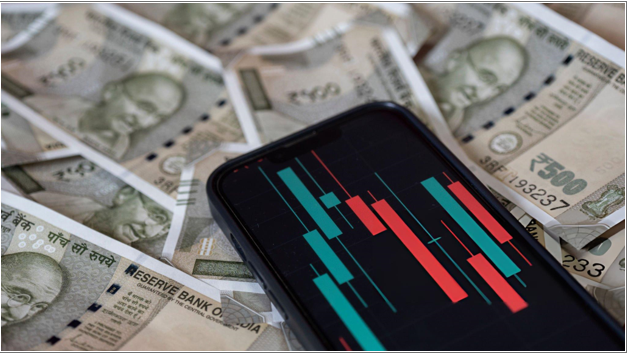
Technology, including digital platforms, mobile trading apps, and user-friendly financial information, has revolutionized trading in India. People can buy, sell, and track financial assets from virtually anywhere with a smartphone and an Internet connection.

However, while accessing markets has become easier, successful participation has not. While many new traders would like to trade, they may not know everything they need to be successful in the long run. In today’s noisy market, with economic uncertainty and ever more sophisticated trading products, knowledge of money is more essential than ever.

Today’s traders need more than just knowing how the markets work. Understanding how money works is just as essential.

The Difference Between Trading Knowledge and Financial Awareness

Many trading beginners focus so much on learning trading strategies that they forget about other essentials. They learn technical analysis, chart patterns, support/ resistance, and signals. These tools may help, but they’re only part of the equation to success as a trader.

Financial awareness extends beyond. It includes a grasp of the bigger picture, including inflation, interest rates, diversification, capital allocation, and market psychology.

While the trader may have an idea of when to make a trade, financial awareness will help them determine if the trade fits into their financial objectives and risk tolerance. Without this wider outlook, traders may end up making decisions based on short-term market fluctuations rather than sound financial logic.

In today’s fast-moving markets, this distinction can make a huge difference.

Risk Management Starts With Financial Awareness

Effective risk management is one of the most difficult aspects to manage for new traders.

Many people who enter the markets have the primary intent of making money. Too many success stories and splashes in the media make people think they can make huge profits, especially among beginners. Unfortunately, this often leads traders to underestimate the importance of protecting their capital.

However, financial awareness changes everything by encouraging a different outlook. It’s designed to help traders assess the pros and cons of their choices.

This includes understanding:

  • The effect of consecutive losses

  • How much money should be put on a single trade

  • The importance of maintaining realistic expectations

  • The importance of diversification in minimizing overall risk

Experienced traders know that preserving capital is as crucial as earning capital. Being aware of finances helps support this principle and instills further discipline in decision-making.

Navigating a Growing Range of Financial Products

Financial products are more accessible to today’s traders than ever before. Many traders, in addition to stocks, also study exchange-traded funds, commodities, derivatives, and/or international trading.

Others choose to use several types of securities through a CFD broker, allowing them to speculate on the price movements of these assets without owning them. While these can provide flexibility and greater market exposure, other considerations include leverage, volatility, and margins.

Financial awareness comes in handy there.

Understanding the various products helps traders determine if any particular product is suitable for their objectives and risk levels. The more informed the traders are, the better they can avoid uninformed trading and evaluate risks and rewards.

Understanding the Forces That Move Markets

Financial markets don’t work in isolation. Many of the factors that affect price go well beyond technical analysis and encompass a range of economic and geopolitical influences.

Many factors, such as interest rate changes, inflation data, employment reports, corporate earnings, and global news events, can impact overall market sentiment and asset values.

Financially savvy traders are better equipped to comprehend how each of these changes could affect trading. They are not emotionally invested in headlines, but can see the information within a larger economic picture.

The ability to make sense of what is happening in the market can help traders make better decisions and avoid being swayed by short-term market movements.

Avoiding Emotional Trading Decisions

Trading can be emotionally demanding. Markets are fast-changing, and price changes can induce feelings of fear, excitement, frustration, or overconfidence.

Often, these feelings result in costly errors.

In a market downturn, a trader may panic and close out a position early. Another may grow overconfident following a string of good trades and take on too much risk.

Traders can recognize these tendencies and develop a more disciplined approach through financial awareness. Knowledge of concepts such as risk-reward ratios, probability, and long-term performance will allow traders to focus on process rather than emotion.

This attitude can lead to greater uniformity and better decision-making in the long run.

Financial Awareness Supports Long-Term Wealth Building

Many people start trading to build additional wealth. These are excellent goals; however, financial awareness encourages traders to adopt a broader perspective.

Trading should not exist in isolation from the rest of a person’s financial life.

A financially aware trader understands that their trades must be balanced with other financial needs, such as saving, budgeting, investing, and long-term planning. They understand that achieving wealth is usually a process of sustained financial choices over the long term, not short-term market timing.

This outlook enables traders to focus on long-term gains rather than short-term ones.

Final Thoughts

The new generation of traders in India has unprecedented access to financial markets and investment opportunities. Many of the obstacles to participation that once existed have been eliminated, and trading is now more accessible than ever before, thanks to technology.

But just because it is accessible doesn’t mean it will be a success.

The markets have become increasingly complex, and the amount of information has grown as well, making financial awareness one of the most important skills a trader can have. It enables people to recognize risks, absorb economic information, manage emotions, assess financial products, and make choices that benefit their economic objectives.

For India’s new-age traders, financial awareness is no longer a supplementary skill. It is increasingly becoming a must-have foundation for today’s financial landscape, built on confidence, discipline, and responsibility.

Latest News

Popular Videos