


Who Is Responsible for the Sexualisation of Women in Indian Cinema? The Debate Explained
The CSR Journal Magazine

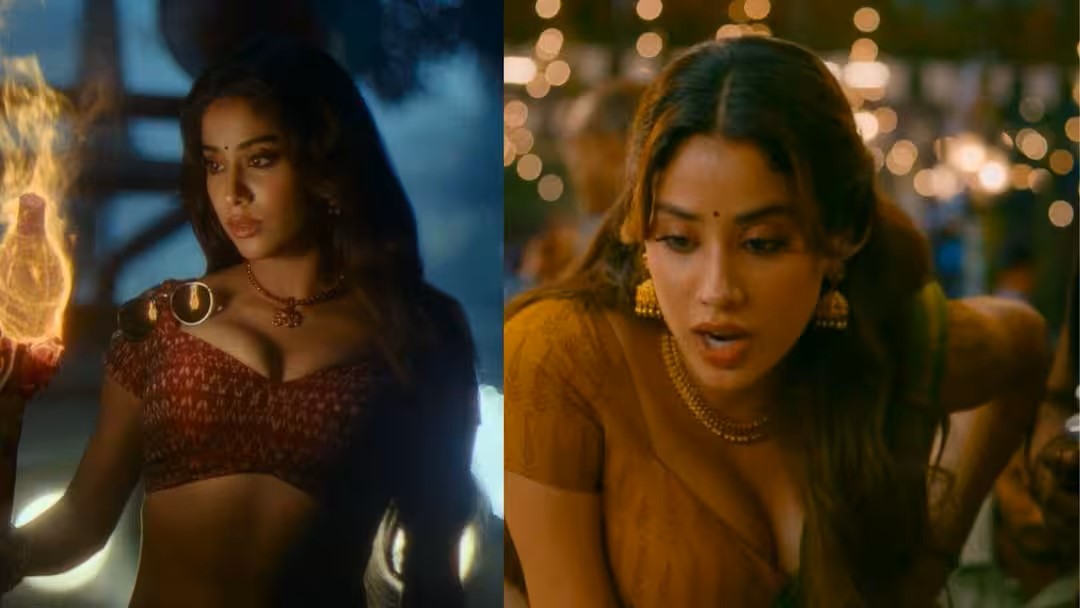
A recent discourse has surfaced regarding the widespread sexualisation of women in the Indian film industry. This subject has drawn attention to the collective complicity of various stakeholders, including filmmakers, audiences, and the media. Many industry insiders are now reflecting on their roles and responsibilities in perpetuating these narratives over the years.

The conversation was partly ignited by various incidents and media reports that have shed light on how women have often been portrayed in cinema, frequently reducing their roles to mere objects of desire. Critics argue that societal norms have been influenced by such representations, particularly given the significant reach and impact of films in shaping public perception.

Among the voices contributing to this dialogue are prominent filmmakers, actors, and critics who have expressed the need for re-evaluating how women are scripted. There is a call to depict women not just as supporting characters but as complex individuals with their own stories and agency.

Impact on Society and Culture

The portrayal of women in film has far-reaching implications for societal attitudes towards gender. Reports indicate that when women are represented in a sexualised manner, it can reinforce harmful stereotypes that contribute to real-world inequities and violence. As cinema is a reflection of society, these portrayals play a role in shaping gender dynamics within communities.

Scholars have pointed out that media portrayal significantly influences young audiences. When girls and boys see women in limited, overly sexualised roles, it shapes their understanding of gender identity and relationships. This has sparked discussions about the responsibilities of content creators in ensuring more diverse and accurate representations.

Moreover, the repercussions are not only confined to cinema but extend into everyday life, resulting in a culture that normalises the objectification of women. There exists a pressing need for educational programmes that address these themes and promote critical thinking about media consumption among young viewers.

Calls for Change in Cinematic Practices

The current wave of discussion has led to calls for reform within the industry. Various stakeholders are advocating for the implementation of guidelines that promote more balanced and respectful representations of women. Training programmes aimed at filmmakers and scriptwriters are being considered as necessary steps to counteract the entrenched norms of sexualisation.

There is also a growing demand for support towards films that provide empowering narratives for women. The emergence of strong female characters in leading roles has been celebrated, but it is clear that for change to be meaningful, it must be institutionalised within the industry’s fabric. The challenge lies in creating an environment where non-sexualised, complex storytelling is the norm rather than the exception.

As the conversation expands, there is optimism that the industry can evolve to better represent women. Festival circuits and award platforms are increasingly recognising works that challenge traditional gender roles, signalling a potential shift in audience preferences towards films that prioritise depth and nuance in female characterisation.

Long or Short, get news the way you like. No ads. No redirections. Download Newspin and Stay Alert, The CSR Journal Mobile app, for fast, crisp, clean updates!

App Store –  https://apps.apple.com/in/app/newspin/id6746449540 

Google Play Store – https://play.google.com/store/apps/details?id=com.inventifweb.newspin&pcampaignid=web_share

Latest News

Popular Videos
