


‘We Get Along Well’: Trump Expresses Confidence In India Trade Deal
The CSR Journal Magazine

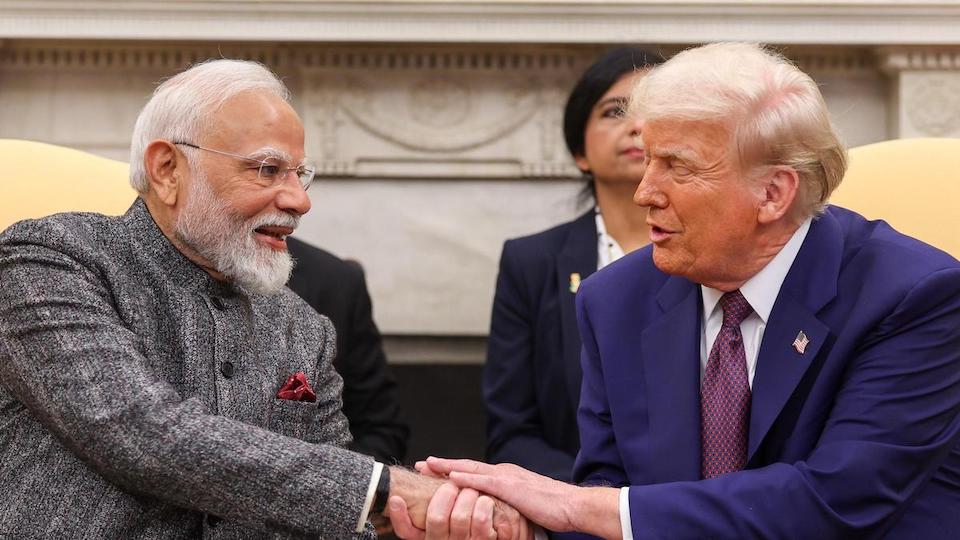
On June 5, 2023, United States President Donald Trump expressed optimism regarding an impending trade deal between Washington and New Delhi. He referred to Indian Prime Minister Narendra Modi as a “good friend” during a press briefing at the White House. Trump stated, “India took advantage of the United States for many years, charging significant tariffs and providing little in return.” He emphasised that the current trade dynamics are shifting positively for the US.

During his comments, Trump elaborated on his favourable relationship with Modi, noting that they “get along well” and have established a “good relationship.” He conveyed confidence that a mutually beneficial trade agreement would be reached soon, reflecting his belief in the potential of US-India economic relations.

New Tariffs Announced Against Global Economies

On the same day, the United States government unveiled a new series of tariffs directed at various global economies. Among these measures is a 10 per cent tariff and an additional 12.5 per cent duty, as part of an initiative to combat the importation of goods produced through forced labour. The Office of the United States Trade Representative (USTR) indicated that investigations found evidence of forced labour in products imported from 60 nations.

Among the countries identified by the USTR were India, China, Australia, and several others, which reportedly have not adequately enforced prohibitions on goods associated with forced labour. The USTR’s announcement marks a significant move, highlighting ongoing concerns about labour practices in international trade.

The proposed tariffs reflect a growing commitment by the US administration to address human rights issues in supply chains, with the USTR underscoring that countries already enforcing similar prohibitions could face the less severe tariff. This development signals a complex landscape for international trade, particularly for nations like India, which is under scrutiny for compliance in this area.

Implications of Section 301 Action

The recent actions by the USTR fall under Section 301 of the Trade Act of 1974, which empowers the US to address concerns regarding trade practices that affect US commerce. With 60 economies under review, the USTR has flagged six countries, including the European Union, Pakistan, and Canada, for failing to enforce prohibitions effectively against imports associated with forced labour.

This designation by the USTR indicates a robust approach to international trade policy, aimed at ensuring that imports align with ethical standards regarding labour rights. As the US looks to enhance its trade negotiations, countries that comply with these measures may find their economic ties strengthened, while non-compliant nations could face increased tariffs.

As the situation evolves, the implications of these trade measures will likely resonate in various international markets. The global economic community will closely monitor the response from the countries named in the USTR’s list and how it may influence future diplomatic and trade discussions.

Long or Short, get news the way you like. No ads. No redirections. Download Newspin and Stay Alert, The CSR Journal Mobile app, for fast, crisp, clean updates!

App Store –  https://apps.apple.com/in/app/newspin/id6746449540 

Google Play Store – https://play.google.com/store/apps/details?id=com.inventifweb.newspin&pcampaignid=web_share

Latest News

Popular Videos
