


Indian Pharma Industry Calls Trump’s Proposed Generic Drug Tariffs ‘Out of Scope’
The CSR Journal Magazine

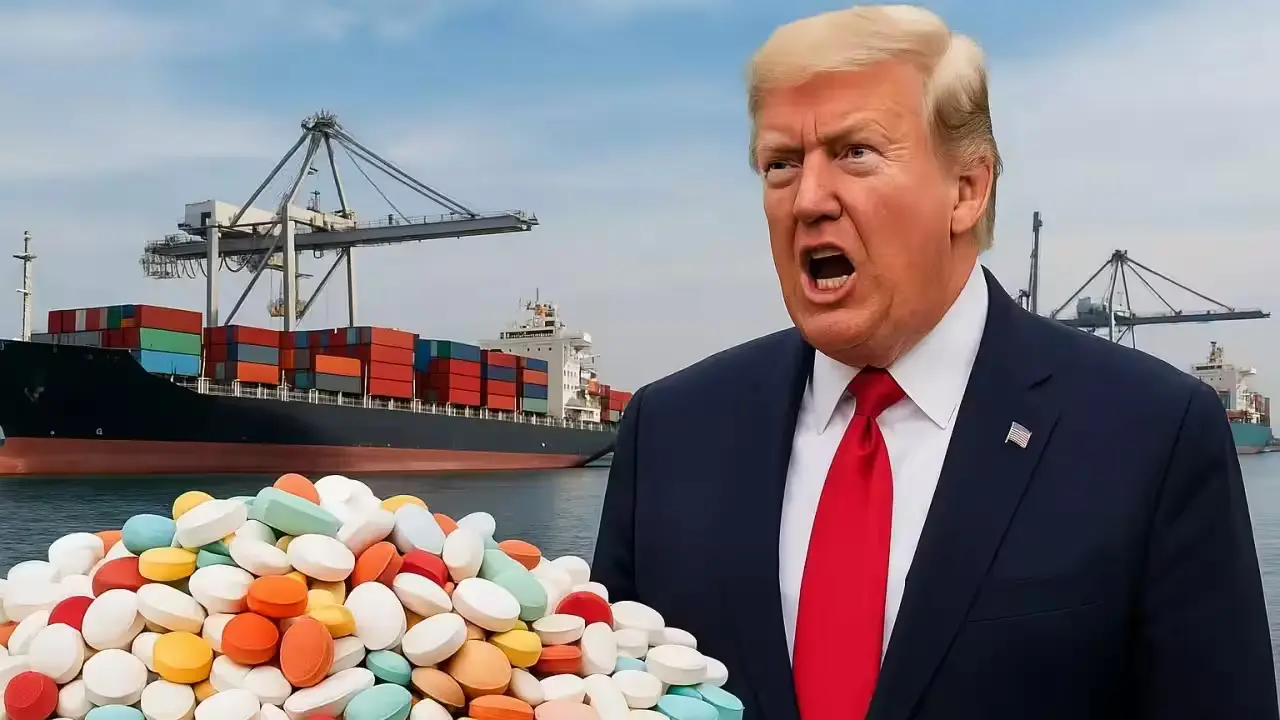
Indian pharmaceutical industry experts have questioned the feasibility of US President Donald Trump’s proposed tariff regime on imported generic medicines, arguing that the timeline is too short to shift manufacturing to the United States and that the industry lacks the margins to absorb such steep duties.

Trump announced on Wednesday (US local time) that generic drugs would continue to face zero tariffs for two years, followed by a 100 per cent tariff in the third year and a 200 per cent tariff from the fourth year. The proposed policy is aimed at encouraging pharmaceutical companies to relocate generic drug manufacturing to the United States.

Industry Says Timeline Is Unrealistic

Pharmexcil Chairman Namit Joshi said the proposed transition period would not be sufficient to establish a viable pharmaceutical manufacturing ecosystem in the US.

“The announcement made by Trump is that there will be zero tariff for two years. 100% in the third year and 200% from the fourth year. As per our thinking, it does not seem that it will be possible so soon. Because it takes a minimum of 4-5 years to create any pharmaceutical generic ecosystem. So, if you impose a tariff in two years without creating the ecosystem, then this possibility seems very low…the Indian industry does not have that much scope and margin,” he said.

Joshi added that Indian pharmaceutical manufacturers operate on extremely thin margins and would struggle to absorb such costs.

“Right now we are operating on a very thin margin. We will have a limitation that we will not be able to absorb this tariff. We can only transfer that tariff. Or we can withdraw from the market…if it was 10 years ago, it would have been fine, but right now the operating margin in the US is very low…the entire industry says that 200% is completely out of scope and even 100% is very difficult for them to absorb for any pharmaceutical manufacturer,” he said.

Industry Seeks Continued Engagement With US

Indian Pharmaceutical Alliance (IPA) Secretary General Sudarshan Jain said India remained a trusted supplier of affordable medicines to the United States and stressed the importance of continued engagement with the US administration.

“India has been a trusted partner in ensuring the supply of affordable and quality-assured medicines for American patients. Leading Indian pharmaceutical companies have US presence (over 40 facilities), supporting American jobs, investing in manufacturing, research and resilient supply chain. IPA will continue to engage with the US Administration to build a stronger partnership and further strengthen health and medicine security for both countries,” Jain said.

Industry Calls for Diversification

Nikkhil K. Masurkar, Chief Executive Officer of Entod Pharmaceuticals, said the development highlighted the need for India to diversify its export markets.

“If over one-third of our pharmaceutical exports depend on a single country, we’re not truly the Pharmacy of the World. India’s next ambition should be to become the healthcare leader of the Global South,” he said.

Analysts Await Policy Clarity

Param Desai, Research Analyst at PL Capital, said there remained significant uncertainty over how the proposed tariffs would eventually be implemented.

“The announcement was largely unexpected, and there is still considerable ambiguity around how these tariffs will actually be implemented. Generic drugs entering the US will continue to attract a 0% tariff until August 1, 2028, after which tariffs are proposed to increase to 100% from August 2028 and 200% from August 2029,” he said.

Desai noted that several Indian generic pharmaceutical companies already operate manufacturing facilities in the United States, which could reduce the impact of the proposed policy. However, he said relocating the broader pharmaceutical supply chain within two years would be difficult.

“A two-year window appears too short to relocate the entire generic pharmaceutical value chain to the US. Trump’s term ends in January 2029, while the major tariff impact begins from August 2028, so the eventual implementation remains uncertain if there is a change in administration. We could see a knee-jerk negative reaction in pharma stocks today, particularly among large-cap generic players, until there is greater clarity on the policy,” he added.

Long or Short, get news the way you like. No ads. No redirections. Download Newspin and Stay Alert, The CSR Journal Mobile app, for fast, crisp, clean updates!

App Store –  https://apps.apple.com/in/app/newspin/id6746449540 

Google Play Store – https://play.google.com/store/apps/details?id=com.inventifweb.newspin&pcampaignid=web_share

Latest News

Popular Videos
