


Violent Protests by CJP Lead to Injuries and Damage
The CSR Journal Magazine

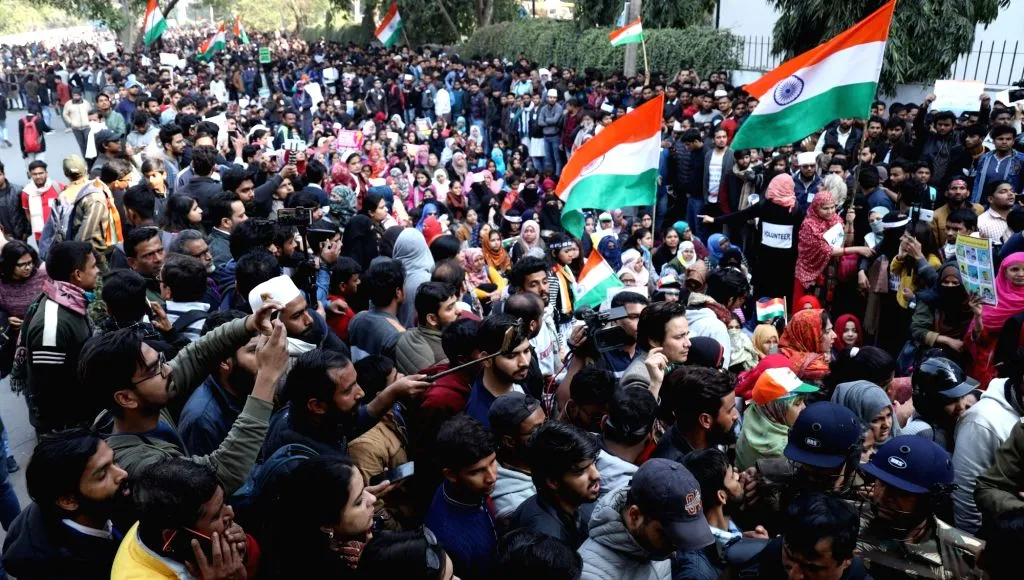
Protests led by the Cockroach Janata Party (CJP) in New Delhi escalated into violence on July 20, sparking significant unrest and resulting in the injury of over 118 police personnel. The demonstrations were centred around allegations of a leak in the NEET-UG 2026 examination paper, with participants clashing with law enforcement as they attempted to march towards Parliament.

During the protests, CJP leaders had a meeting with Union Health Minister JP Nadda, seeking various demands including the resignation of Education Minister Dharmendra Pradhan and compensation of Rs 1 crore for families of deceased NEET aspirants. The party claimed that over 20 aspiring students had lost their lives in connection with the exam.

The Delhi Police reported that despite multiple warnings, demonstrators exhibited aggressive behaviour, attempting to breach police barricades and vandalising government vehicles. Among the injured police personnel were several senior officers, and the damage to public property was extensive.

Police Response to Unruly Behaviour

In response to the violent actions of the protesters, the Delhi Police implemented crowd-control measures, which included detaining around 70 individuals. Legal actions are being initiated under relevant laws for rioting, assault on public servants, and damage to government property. The police noted that the gathering had transformed from a peaceful protest to an unlawful assembly.

Joint Commissioner of Police Madhur Verma stated that the police had to intervene due to instances of stone-pelting and other forms of violence. He indicated that the authorities were committed to addressing public safety concerns amidst the escalation of unrest.

During the confrontations, approximately 60 protesters were also reported injured, leading to ongoing medico-legal examinations for those affected. The violent scenes prompted strong reactions from various political leaders, who condemned the police’s actions.

Political Reactions to the Protests

The protests drew criticism from numerous political figures, including Congress MP Rahul Gandhi and former West Bengal Chief Minister Mamata Banerjee. Gandhi accused the government of being hostile towards the youth, highlighting the need for accountability within the administration regarding the alleged NEET paper leak and the treatment of protesting students.

Banerjee described the police action against peaceful demonstrators as undemocratic and demanded greater accountability from the central government. She referred to the government’s response to peaceful protests as deeply concerning for the state of democracy in India.

Arvind Kejriwal, the national convener of the Aam Aadmi Party (AAP), expressed disappointment over the government’s approach to handling the protests, labelling the use of force against students as an “extremely arrogant” response to their grievances.

Amidst the unrest, climate activist Sonam Wangchuk remains under medical observation at Safdarjung Hospital, his health status reportedly stable. Wangchuk had been on a hunger strike, urging the resignation of Union Education Minister Pradhan, before being hospitalised on July 18 for health concerns linked to dehydration.

Long or Short, get news the way you like. No ads. No redirections. Download Newspin and Stay Alert, The CSR Journal Mobile app, for fast, crisp, clean updates!

App Store –  https://apps.apple.com/in/app/newspin/id6746449540 

Google Play Store – https://play.google.com/store/apps/details?id=com.inventifweb.newspin&pcampaignid=web_share

Latest News

Popular Videos
