


Under-Construction vs Ready Homes: What Should Homebuyers Choose?
The CSR Journal Magazine

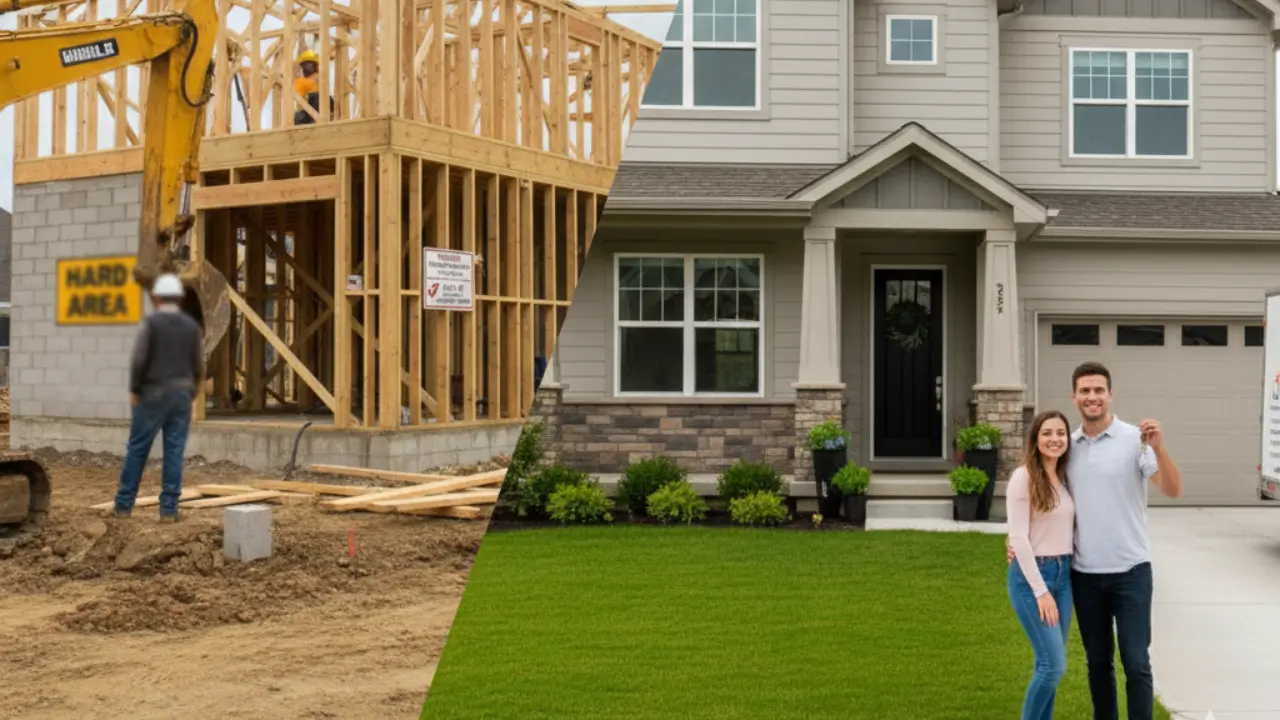
The choice between purchasing an under-construction property and a ready-to-move home often poses significant financial challenges. Many prospective buyers encounter this dilemma, considering both the immediate price and long-term implications of their decisions. The common belief that buying a house is a substantial investment forces buyers to think critically about their choices, weighing affordability against certainty.

On the surface, under-construction homes generally appeal to buyers due to their comparatively lower prices and flexible payment plans. However, prospective homeowners must scrutinise the total cost of ownership beyond initial pricing. Unexpected expenses, such as rental payments alongside home loan repayments, may arise and complicate finances, making the cheaper option potentially less economical.

Understanding the Pros and Cons

One of the primary attractions of under-construction properties is their lower entry cost, often leading buyers to believe they are making a sound financial investment. According to Akash Pharande, Managing Director of Pharande Spaces, buyers must determine whether they value certainty at the outset or potential appreciation over time. He emphasises that while flexible instalment plans and expected future value increases appeal to many, they may introduce uncertainties that buyers have to navigate.

Conversely, ready-to-move homes provide immediate occupancy and all associated benefits without construction-related stress. Often, these properties do not incur Goods and Services Tax (GST), leading to overall more stable financial projections. Buyers may find that the higher upfront investment is less about surplus spending and more aligned with securing peace of mind and financial predictability.

The complexity increases when considering the dual financial responsibilities that accompany an under-construction home. Many buyers commit to renting while financing the new property through equated monthly instalments (EMIs). This financial burden may lead to strain, especially if project timelines slip. Experts highlight the importance of understanding cash flow dynamics related to home purchases, urging buyers to realistically assess their financial sustainability during the construction phase.

The Impact of Taxes on Home Purchases

Tax implications are often overlooked in the home-buying process, which can lead to significant financial consequences. Tax consultant Nishant Shankar points out that buyers of ready-to-move homes typically benefit from immediate tax deductions on home loan interest and principal repayments. In contrast, tax advantages for under-construction properties are only accessible post-occupation. This difference can materially influence the overall cost of ownership and affect the financial viability of a home purchase.

Furthermore, the GST applicable to under-construction properties can impose additional costs. Non-affordable housing incurs a 5% GST, while affordable housing is subject to 1%. Ready-to-move properties, having received a completion certificate, are exempt from this tax. Such nuances may dramatically alter the buyer’s financial landscape and should factor into their decision-making process.

While under-construction properties might initially look appealing due to their enticing price points, the potential for delays, increased costs, and financial pressures demands careful consideration. Homebuyers must weigh these aspects against their personal financial situations and long-term goals.

Legal Protections for Homebuyers

Many buyers often feel powerless in the face of construction delays, yet legal protections do exist under the Real Estate (Regulation and Development) Act, 2016 (RERA). Homebuyers can seek compensation and interest for unreasonable delays in possession. Landmark rulings, like that in Pioneer Urban Land & Infrastructure Ltd. v. Govindan Raghavan, have reinforced these rights, elucidating that buyers should not be subjected to indefinite waiting periods without recourse.

It is imperative for homebuyers to remain vigilant, ensuring clarity on timelines and financial obligations. Experts recommend scrutinising the developer’s track record, regulatory compliance, and customer reviews before finalising any agreements. In scenarios where delays occur, buyers should understand their rights and potential compensation avenues.

In conclusion, whether one opts for an under-construction or a ready-to-move home hinges on individual financial realities and comfort with uncertainty. Each option carries inherent risks and benefits, making thorough research essential for informed decision-making in the realm of property investment.

Long or Short, get news the way you like. No ads. No redirections. Download Newspin and Stay Alert, The CSR Journal Mobile app, for fast, crisp, clean updates!

App Store –  https://apps.apple.com/in/app/newspin/id6746449540 

Google Play Store – https://play.google.com/store/apps/details?id=com.inventifweb.newspin&pcampaignid=web_share

Latest News

Popular Videos
