


UK Eases Russian Oil Sanctions Amid Fuel Market Crisis
The CSR Journal Magazine

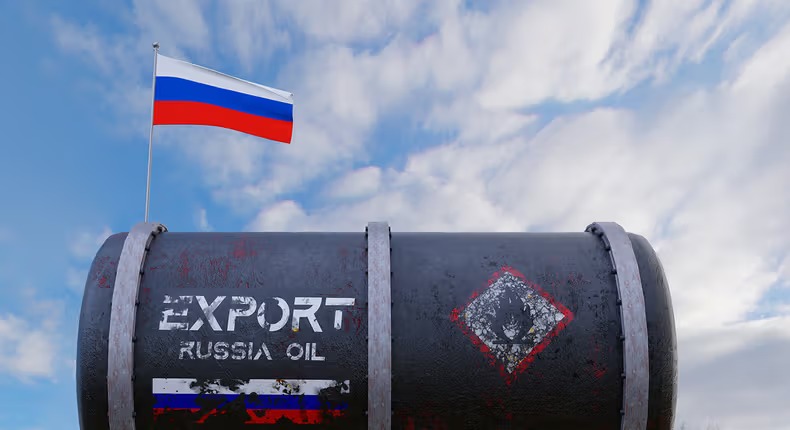
The United Kingdom recently permitted the resumption of Russian oil imports refined in India and Turkey, marking a substantial policy shift after two years of asserting it had the strictest sanctions against Russia. This development was publicly unveiled on a quiet Tuesday without any formal announcement or press conference, merely appearing as a document on a government website. Following this, the Trade Minister acknowledged in Parliament that the government had managed the situation poorly, indicating an understanding of the potential repercussions of this reversal.

The decision was influenced by the upheaval in the Strait of Hormuz, which followed the commencement of the US-Iran conflict. This pivotal maritime route is vital for more than half of Europe’s jet fuel supplies. The effective closure of the strait resulted in an unexpected surge in fuel prices, with jet fuel costs soaring from 831 dollars per tonne in late February to 1,838 dollars by early April. The abrupt price increase led to flight cancellations and significant budgetary challenges for airlines.

Criticism and Rationale Behind the Waiver

The UK’s recent move to allow a phased re-entry of Russian crude oil refined in third countries has met with criticism, with some observers labelling it as a waiver rather than a ban. Ukraine’s sanctions commissioner registered his understanding of the government’s rationale but disagreed vehemently with the outcome. He highlighted that temporary exemptions could still yield revenues that may bolster Russia’s military efforts.

The United States has also extended similar arrangements, permitting Russian oil cargoes to remain at sea for the time being. This decision faced criticism from the European Union during discussions involving G7 finance ministers, even as individual EU member states sought avenues to continue sourcing Russian energy supplies discreetly. This highlighted the balancing act EU nations are maintaining amidst escalating energy crises.

Hungary and Slovakia represent two EU countries that have not entirely distanced themselves from Russian oil dependence. Both nations rely heavily on the Druzhba pipeline, which transports Russian crude oil to Central Europe, necessitating extensive infrastructure adjustments should they seek alternative sources. Hungary’s Prime Minister Viktor Orban previously blocked a substantial EU loan to Ukraine until the Druzhba pipeline was reinstated after a drone attack damaged a section within Ukraine. Slovakia supported Orban’s veto, showcasing the interconnected nature of energy politics within the region.

Geopolitical Tensions and the Energy Market

The European Union’s differentiation between pipeline oil and seaborne crude is rooted in geographic considerations. The EU prohibited shipments by sea, which constituted 70 to 85 per cent of Russian oil transported to Europe, thereby inflicting notable damage on Russian revenue streams. However, landlocked refineries in Hungary, Slovakia, and the Czech Republic faced a lack of immediate alternatives, making it politically untenable for any government to suddenly withdraw their energy supply.

This context results in a sanctions framework with inherent gaps, exacerbated now by unexpected global energy shocks unrelated to Russia’s actions. Notably, the conflict instigated by the US and Iran did not originate from Moscow, and the closure of the Strait of Hormuz is outside of Putin’s control. Nonetheless, the fallout from these events appears to have inadvertently benefited the Kremlin, allowing Russian crude to flow back into some international markets.

While Putin may not have orchestrated this geopolitical crisis, the outcomes have positioned Russia advantageously. The easing of UK sanctions, the push from parts of Europe for pipeline oil, and the resumption of the Druzhba flow have contributed to a scenario wherein the Russian energy supply remains active. This complex web of international relations continues to unfold, leaving significant implications for countries at war, particularly Ukraine, as they navigate this intricate landscape.

Long or Short, get news the way you like. No ads. No redirections. Download Newspin and Stay Alert, The CSR Journal Mobile app, for fast, crisp, clean updates!

App Store –  https://apps.apple.com/in/app/newspin/id6746449540 

Google Play Store – https://play.google.com/store/apps/details?id=com.inventifweb.newspin&pcampaignid=web_share

Latest News

Popular Videos
