



Truckers’ Strike Impacts Supply of Vegetables and Grains in Delhi

The CSR Journal Magazine

A three-day strike by transporters has commenced, leading to significant disruptions in supply chains across Delhi. The effects of this strike are particularly noticeable at major transport and wholesale market hubs throughout the national capital.

Reports from the ground indicate that Sanjay Gandhi Transport Nagar, one of the largest transport hubs in India, has been severely impacted. On a typical day, between four thousand to five thousand trucks operate from this location, but during the strike, many trucks remain parked along the roads, with drivers waiting for the situation to normalise.

One truck driver, who frequently carries goods from Kashmir, expressed concern about newly imposed tax-related issues that have directly affected their work. He stated, “Essential goods are lying stranded inside the transport hub and we do not know how long the situation will continue.”

Protests Emerge Alongside Strike

On the evening of Thursday, transporters and traders came together to stage protests against the government’s actions. Demonstrators marched on the roads with bullock carts, vocally urging authorities to address their grievances. This display of unity underscores the seriousness of their concerns regarding the disruptions.

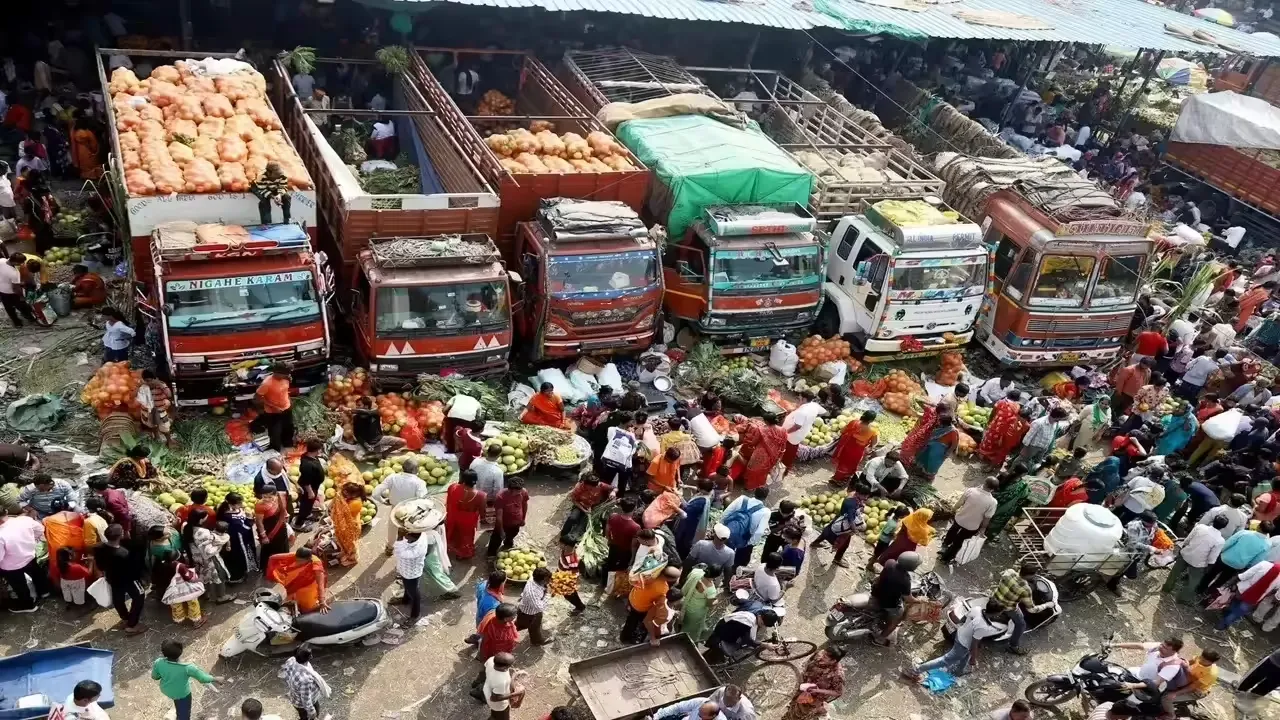
Moreover, the strike has started to impact Azadpur Mandi, renowned as Asia’s largest wholesale market for fruits and vegetables. Mahavir Chauhan, a trader of tomatoes, noted that the mandi typically receives five to six truckloads of tomatoes on a daily basis, but the ongoing blockade has adversely affected transportation. “Trucks are unable to reach the mandi because of the strike. Even the supply of available stock is getting affected since smaller goods vehicles are not operating normally,” he commented.

Concerns are also arising from the Khari Baoli and Naya Bazar grain markets, where traders are apprehensive about a prolonged disruption in the supply chain. Gaurav Gupta, vice-president of the Delhi Grain Merchant Association, pointed out that the rice trade primarily relies on supplies coming from Haryana and Punjab. “If the strike continues for a longer period, it could significantly impact the movement of essential commodities and eventually affect consumers,” Gupta cautioned.

Limited Impact on Textile Markets

Despite the widespread disruptions, the immediate impact appears to be relatively limited in Gandhi Nagar Market, noted as one of Asia’s largest wholesale textile markets. The president of the Market Association, Naresh Sikka, explained that business activity had already slowed down over the past two weeks, which has mitigated the effects of the current strike.

However, traders remain vigilant, warning that ongoing delays in transportation could gradually exert additional pressure on Delhi’s supply chain as the strike continues. The situation underlines the interconnected nature of trade and the potential consequences of transport disruptions on overall market conditions.

As the strike progresses, it remains crucial to monitor its effects on various sectors, as the implications extend beyond the immediate areas of transport and wholesale markets.

Long or Short, get news the way you like. No ads. No redirections. Download Newspin and Stay Alert, The CSR Journal Mobile app, for fast, crisp, clean updates!

App Store –  https://apps.apple.com/in/app/newspin/id6746449540 

Google Play Store – https://play.google.com/store/apps/details?id=com.inventifweb.newspin&pcampaignid=web_share

Latest News

Popular Videos