


Tibetan Man Dies After Self-Immolation Outside UN Headquarters In New York
The CSR Journal Magazine

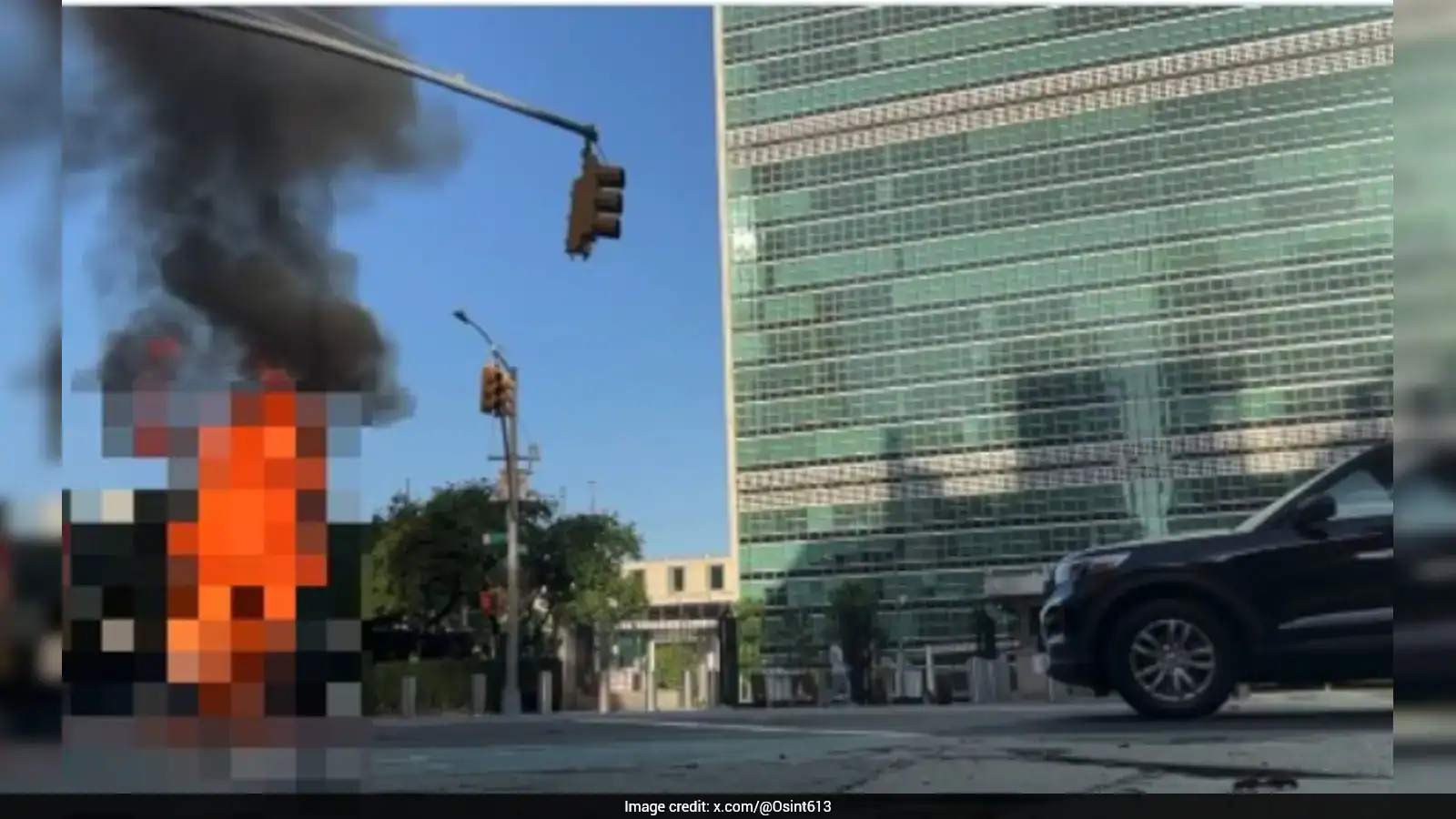
A man reportedly died due to severe burns sustained near the United Nations headquarters in New York City on July 3, 2026. The individual has been identified by exiled Tibetan activists as a Tibetan who allegedly set himself on fire in a protest demanding independence for Tibet. The New York City Police Department responded to an emergency call at approximately 6.30 pm local time, locating the man with significant burn injuries.

Emergency responders transported the victim to Bellevue Hospital, but he was pronounced dead shortly after arrival. The police have not yet disclosed his identity and stated that an investigation is actively ongoing. Witness accounts and reports have indicated a strong motive linked to the ongoing struggles faced by Tibetans under Chinese governance.

Identification and Background of the Victim

Voice of Tibet, a media platform operated by exiled Tibetans, named the deceased as Lobga Rangzen. As per the outlet, Rangzen self-immolated outside the UN while allegedly making a live appeal regarding Tibetan independence and unity. Local news coverage from amNewYork indicated that Rangzen had worked as an Uber driver and arrived on-site holding a Tibetan flag.

Fellow Uber driver Lobsang Paljor reported that Rangzen had been particularly troubled by the restrictions enforced by the Chinese government on the Tibetan people. This incident has drawn significant attention, particularly as it occurred shortly after China announced a new ethnic unity law aimed at fostering a shared national identity among its 55 recognised ethnic minority groups, which include Tibetans and Uyghurs.

The recent legislative changes have raised grave concerns among various international entities, including the United States and the European Union, while Tibetan organisations have strongly opposed the measures. Self-immolation has historically been employed by some Tibetans as a form of protest against Chinese policies in Tibet and regions populated by Tibetans.

Historical Context and Reactions

China’s governance over Tibet commenced in 1950, a move described by the Chinese government as “peaceful liberation.” However, Tibetan exiles and numerous international human rights organisations have persistently accused Beijing of encroaching upon Tibetan culture, religion, and identity. The Chinese government, in turn, has continuously dismissed these allegations as unfounded.

Tencho Gyatso, who serves as president of the International Campaign for Tibet, expressed sorrow over Rangzen’s death, describing him as “a tireless advocate for Tibet.” Gyatso’s remarks highlight the ongoing discourse around the tragic sacrifices made by Tibetans for their cause. The campaign organisation also stated that more than 150 Tibetans had self-immolated between 2009 and 2022, including ten cases involving individuals living in exile.

This ongoing pattern of self-immolation as a method of protest draws significant international attention and poses broader questions regarding the human rights situation in Tibet. The actions and sentiments surrounding Rangzen’s tragic demise reflect the complex and often painful dynamics of the Tibetan struggle for autonomy and cultural preservation.

Long or Short, get news the way you like. No ads. No redirections. Download Newspin and Stay Alert, The CSR Journal Mobile app, for fast, crisp, clean updates!

App Store –  https://apps.apple.com/in/app/newspin/id6746449540 

Google Play Store – https://play.google.com/store/apps/details?id=com.inventifweb.newspin&pcampaignid=web_share

Latest News

Popular Videos
