


Trump Asserts US Has Total Control Over Strait of Hormuz
The CSR Journal Magazine

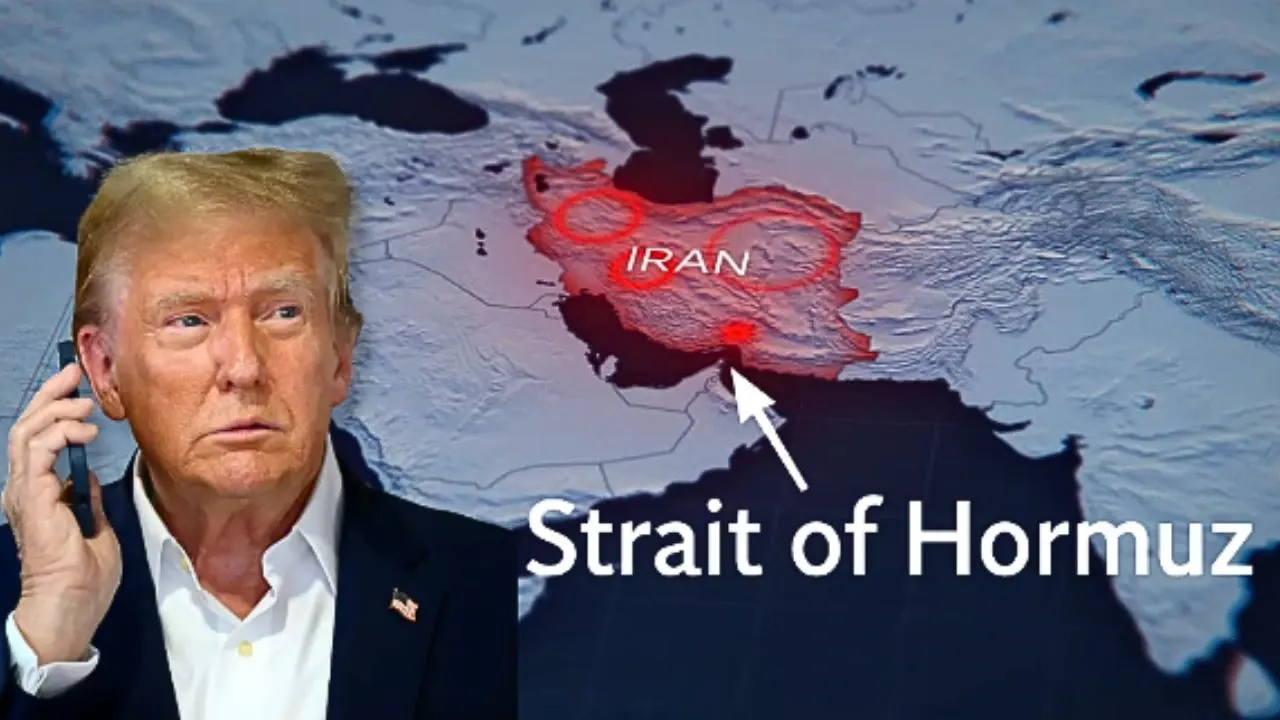
President Donald Trump claimed that the United States possesses complete control over the Strait of Hormuz, a strategic waterway crucial for international oil transport. This announcement highlights the US’s ongoing military presence in the region and its implications for global energy markets. According to Trump, this level of control ensures security and stability in an area often fraught with geopolitical tensions.

In his remarks, Trump described the naval blockade as a ‘wall of steel’, emphasising the robustness of US military capability in safeguarding maritime navigation. This statement is aimed at reinforcing the US’s role as a stabilising force in the face of potential threats from regional adversaries. The Strait of Hormuz is a vital chokepoint where approximately 20 per cent of global oil trade transits.

Trump’s assertions come amidst heightened tensions involving Iran and other nations in the region. The US has maintained a substantial fleet presence in the Gulf, aiming to deter any aggressive actions that may disrupt maritime trade routes. The former President’s comments reflect a message of deterrence toward any parties considering actions that could threaten shipping in these critical waters.

Implications for Global Oil Supply

The implications of Trump’s statements are significant for the global oil market, given the Strait of Hormuz’s strategic importance. The maritime passage serves as a conduit for oil supply from the Middle East to various global markets, including Europe, Asia, and North America. Any disruptions in this region could lead to fluctuations in oil prices and affect global energy security.

Energy analysts have often underscored how geopolitical developments surrounding the Strait can influence oil supply chains. Trump’s focus on maintaining control in this region could signal the administration’s approach to current and future diplomatic relations, particularly with Iran, which has historically challenged US naval dominance.

The former President’s remarks may also provoke responses from other countries reliant on shipments through the Strait. Countries such as China and India, which import significant volumes of oil, may monitor the situation closely to evaluate potential impacts on their energy strategies.

Reactions from Political Figures and Analysts

Experts in international relations have pointed out that while a strong military presence might deter immediate threats, it could also lead to increased hostilities with adversarial nations. They urge for a balanced approach that considers both military preparedness and diplomatic engagement.

As the situation develops, it remains to be seen how these statements will influence US foreign policy in the Middle East and affect relations with global partners. The dynamics of the Strait of Hormuz will continue to play a crucial role in the interplay between security and economic interests in the region.

Long or Short, get news the way you like. No ads. No redirections. Download Newspin and Stay Alert, The CSR Journal Mobile app, for fast, crisp, clean updates!

App Store –  https://apps.apple.com/in/app/newspin/id6746449540 

Google Play Store – https://play.google.com/store/apps/details?id=com.inventifweb.newspin&pcampaignid=web_share

Latest News

Popular Videos
