


Suvendu Adhikari Announces Key Decisions in First Cabinet Meeting as West Bengal Chief Minister
The CSR Journal Magazine

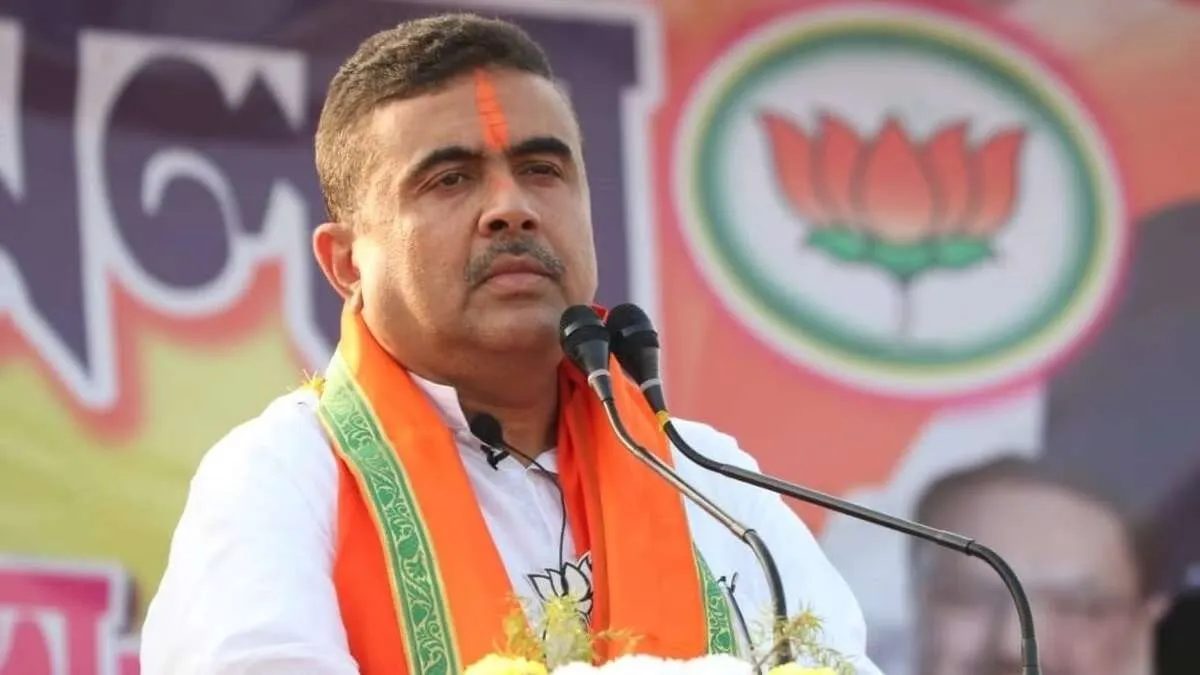
Suvendu Adhikari, after assuming office as West Bengal Chief Minister on May 9, led his inaugural Cabinet meeting on May 11. During this meeting, he approved several significant initiatives, including land transfers to the Border Security Force (BSF) for India-Bangladesh border fencing. The Chief Minister highlighted that the land would be conveyed to the Ministry of Home Affairs within 45 days, aimed at tackling illegal infiltration at the border.

Adhikari expressed confidence in the ability of the BSF to address ongoing border issues quickly, stating that the fencing could contribute towards resolving illegal migration. The Chief Minister’s remarks emphasised a proactive approach to national security and border management from the new administration.

Implementation of Central Schemes

An important aspect of the Cabinet meeting was the announcement of the implementation of several central welfare schemes in West Bengal, particularly Ayushman Bharat. This initiative is part of a broader effort to incorporate other significant programmes such as Pradhan Mantri Jan Arogya Yojana and Ujjwala Yojana, which aim to enhance welfare and healthcare access across the state.

District Magistrates have been directed to prioritise and expedite the processing of applications related to these schemes, ensuring that benefits reach citizens without delay. This emphasis on swift execution indicates the new government’s commitment to welfare and development at the grassroots level.

Moreover, the Chief Minister detailed the assignment of key responsibilities to senior BJP leaders within the Cabinet, such as Dilip Ghosh, who will oversee the Rural Development, Panchayats and Animal Resources Department. This distribution of portfolios signals a strategic approach to governance as the government seeks to establish an efficient administrative framework.

Administrative Reforms and Changes

As part of ongoing administrative reforms, it was announced that IAS officers in West Bengal would engage in Central Government training programmes, reflecting practices seen in other states. This initiative is envisioned to enhance the skills and effectiveness of civil servants throughout the state.

Additionally, significant changes were made at the bureaucratic level with the appointment of Manoj Kumar Agarwal as the new Chief Secretary. This is a pivotal role, especially after Agarwal’s experience as Chief Electoral Officer during the recent assembly elections, which saw the BJP significantly increase its presence in the West Bengal Assembly.

Further, the government issued an order to terminate all nominated members, directors, and chairpersons within non-statutory bodies and other public sector undertakings. This represents a considerable shift in governance, indicating a desire to streamline administration by reassessing existing appointments and ensuring alignment with the new government’s policies.

In a significant move to enhance employment opportunities, the West Bengal Government announced an increase in the upper age limit for government job applications by five years. This adjustment aims to support educated youth seeking employment within the state, a factor that could resonate positively among young voters and those aspiring for government roles.

Long or Short, get news the way you like. No ads. No redirections. Download Newspin and Stay Alert, The CSR Journal Mobile app, for fast, crisp, clean updates!

App Store –  https://apps.apple.com/in/app/newspin/id6746449540 

Google Play Store – https://play.google.com/store/apps/details?id=com.inventifweb.newspin&pcampaignid=web_share

Latest News

Popular Videos
