


Supreme Court To Hear Shiv Sena (UBT) Challenge Against Speaker’s Merger Decision
The CSR Journal Magazine

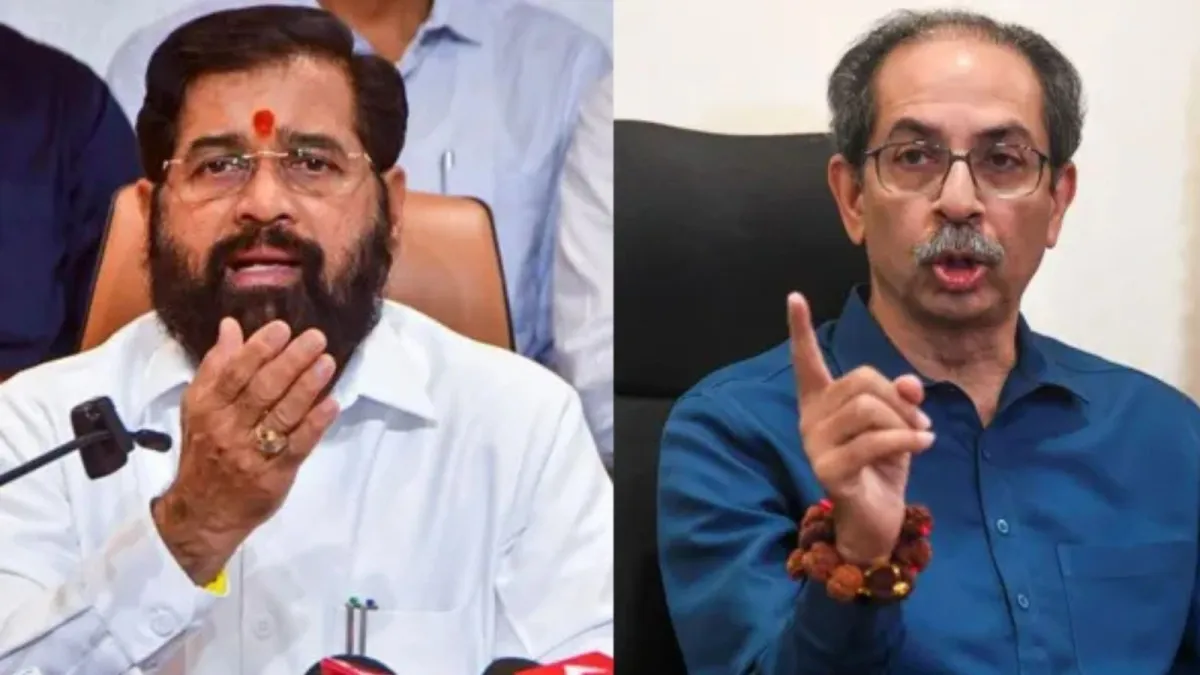
The Supreme Court has agreed to hear a petition from Shiv Sena Uddhav Balasaheb Thackeray (UBT) contesting the Lok Sabha Speaker’s recent decision to acknowledge the merger of six rebel Members of Parliament (MPs) with the Eknath Shinde-led faction of the Shiv Sena. This hearing comes in response to the plea submitted by senior advocate Devadatt Kamat, who argued that the Speaker’s ruling undermines the party’s functioning in Parliament.

The plea expressed concerns over constitutional issues that stem from the Speaker’s decision, describing the current situation as a standstill for the UBT party. Kamat stated that the Speaker’s action has raised significant legal and procedural questions that warrant judicial scrutiny. Members of the bench included Chief Justice Surya Kant, Justices Joymalya Bagchi, and V Mohana.

Details of the Merger

On July 18, ahead of the Monsoon Session of Parliament, Lok Sabha Speaker Om Birla officially recognised the merger of six MPs from Shiv Sena (UBT) into the rival faction led by Eknath Shinde. This decision has altered the parliamentary landscape, with the strength of the Shinde-led faction increasing from seven to 13 MPs in the Lok Sabha. Consequently, the UBT now holds only three seats in the Parliament.

Alongside the Shiv Sena merger, the Speaker also sanctioned separate seating arrangements for 20 MPs who had previously separated from the Trinamool Congress. These MPs have announced their intention to merge with a regional party known as the Nationalist Citizens Party of India (NCPI). Such developments have generated considerable public and political discourse regarding the implications of these mergers.

The approval for the merger has sparked criticism from UBT spokesperson Anand Dubey, who claims that the Speaker’s decision threatens democratic principles within the parliamentary system. Dubey’s remarks highlight the ongoing turmoil within the party and raise questions about the legitimacy of the recent changes in MP alliances.

Implications for Shiv Sena (UBT)

The recognition of this merger has left Shiv Sena (UBT) in a precarious position, as their representation has drastically diminished in the Lok Sabha. The party’s decreased strength could hinder its ability to influence important legislative processes, thereby affecting its overall functioning and strategy moving forward.

In light of the turmoil, the UBT has been vocal about its opposition to the merger, insisting that such political shifts can weaken the foundation of democracy. With the Supreme Court poised to examine the matter, the future of the party’s political strategy remains uncertain, as legal avenues are pursued to contest the Speaker’s decision.

The outcome of the Supreme Court hearing could potentially set a precedent for future parliamentary alliances and the recognition of factional mergers, further intensifying scrutiny on both the Speaker’s authority and intra-party dynamics across Indian politics.

Long or Short, get news the way you like. No ads. No redirections. Download Newspin and Stay Alert, The CSR Journal Mobile app, for fast, crisp, clean updates!

App Store –  https://apps.apple.com/in/app/newspin/id6746449540 

Google Play Store – https://play.google.com/store/apps/details?id=com.inventifweb.newspin&pcampaignid=web_share

Latest News

Popular Videos
