


Supreme Court Refers Rs 30,000 Crore Rani Kapur Family Dispute to Mediation
The CSR Journal Magazine

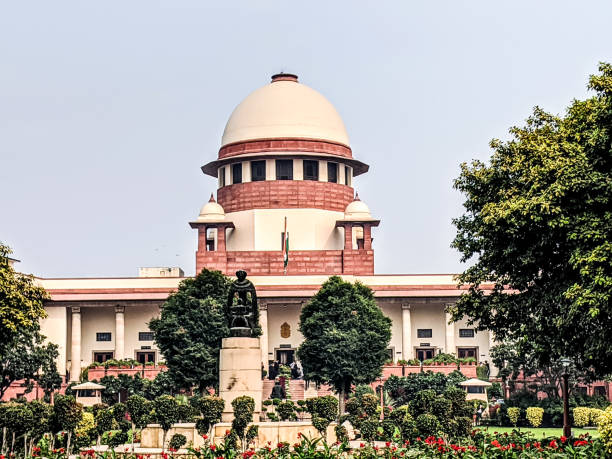
The Supreme Court has announced the referral of a substantial Rs 30,000 crore dispute involving Rani Kapur, aged 80, and her daughter-in-law Priya Sachdev Kapur, to mediation. This step follows previous recommendations from the Court aimed at resolving the matter amicably, especially considering Rani Kapur’s advanced age.

Justice DY Chandrachud, a former Chief Justice of India, has been appointed as the mediator for this case. The Supreme Court believes that his expertise will aid in navigating the complexities of the familial dispute and work towards a resolution.

Public Statements Restricted During Mediation

During a session led by Justice JB Pardiwala, the Court mandated that all involved parties refrain from making public statements or posting about the dispute on social media. This directive aims to maintain confidentiality and reduce public scrutiny while the mediation process unfolds.

The bench emphasised that the focus of the mediation should strictly be on the family members involved, urging all parties to approach the process with an open mind. The aim is to resolve the issue without further prolonging litigation, which can be detrimental to familial relationships.

Earlier, the Supreme Court had issued a notice on April 27 regarding a plea submitted by Rani Kapur. The plea sought responses from Priya Sachdev Kapur and 22 other individuals implicated in the dispute, signifying the complexity and scale of the case. The Court indicated that mediation appeared to be a suitable avenue for resolving the ongoing conflict.

Court’s Concerns Over Prolonged Litigation

During the hearing, Justices JB Pardiwala and Vijay Bishnoi raised concerns regarding the negative effects of extended litigation, particularly in familial disputes. The justices questioned the rationale behind continued conflict, especially given Rani Kapur’s age. They remarked, “You are 80. This is not the age for your client to fight.” This statement reinforced the Court’s resolve to encourage mediation as a better alternative.

The bench reiterated the belief that an amicable resolution would serve the interests of all parties involved. The justices stated that while they were prepared to hear the case on its merits if necessary, their primary focus was on facilitating a peaceful negotiation through mediation first.

This approach reflects a growing trend within the judiciary to encourage mediation as a means to resolve disputes, particularly in cases with intricate family dynamics. The Court’s commitment to this resolution method signals a preference for reconciliation over confrontation, particularly when lifelong relationships are at stake.

Long or Short, get news the way you like. No ads. No redirections. Download Newspin and Stay Alert, The CSR Journal Mobile app, for fast, crisp, clean updates!

App Store –  https://apps.apple.com/in/app/newspin/id6746449540 

Google Play Store – https://play.google.com/store/apps/details?id=com.inventifweb.newspin&pcampaignid=web_share

Latest News

Popular Videos
