


Hormuz Conflict Heightens India’s Gas Supply Concerns as Power Demand Surges
The CSR Journal Magazine

The recent clash in the Strait of Hormuz has intensified concerns regarding India’s gas supply. On the night of May 25, the US conducted what it described as “self-defence” strikes after Iranian missiles, drones, and small vessels allegedly targeted three US Navy ships. Despite claims from President Donald Trump that the ceasefire was still valid, he also warned of potential further action if Iran does not collaborate towards a resolution.

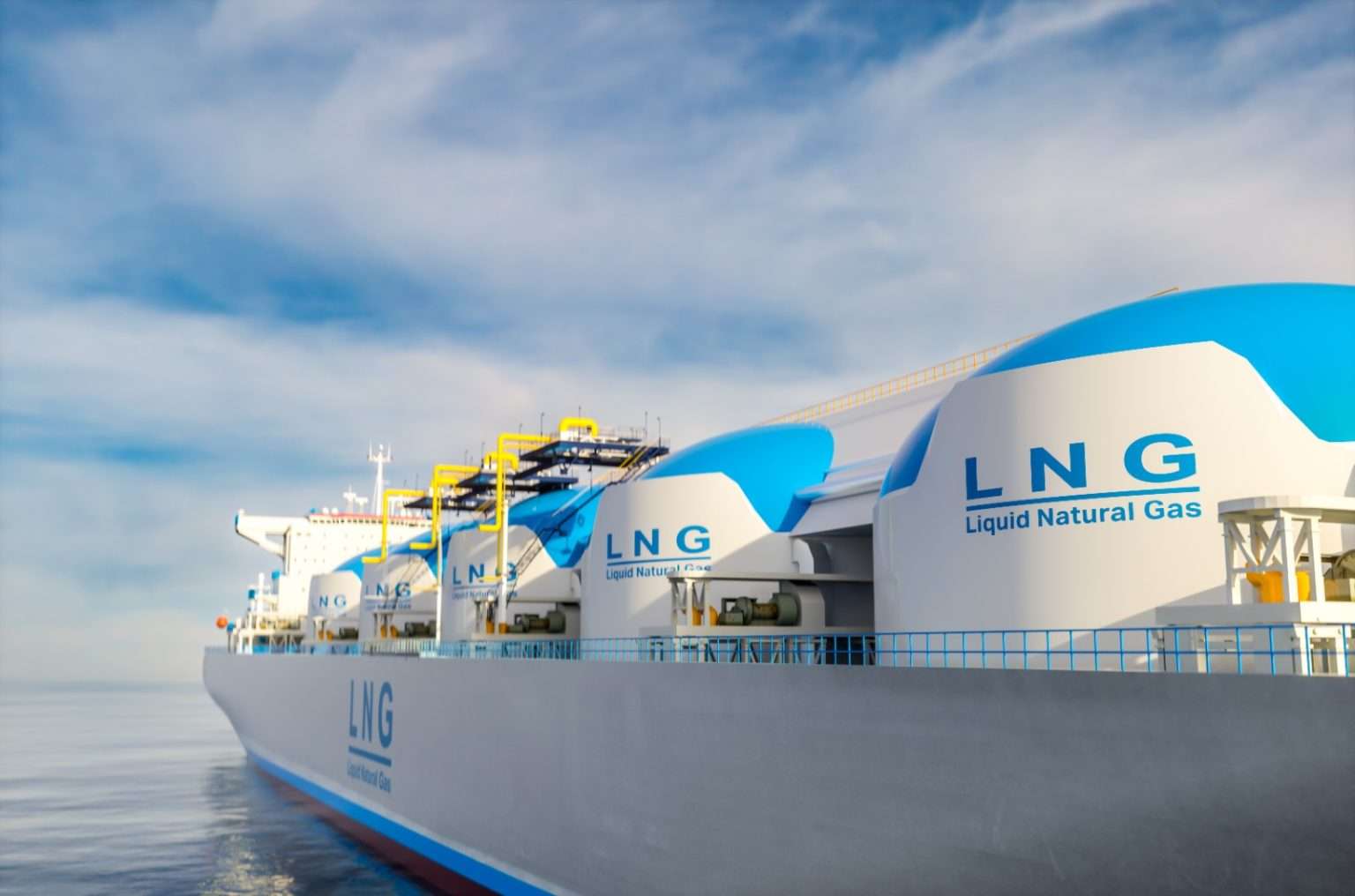
The Strait of Hormuz is significant as it is a crucial transit point for oil and liquefied natural gas (LNG), with about 20 per cent of the world’s seaborne oil and a third of its LNG traffic passing through this chokepoint. As one of the most reliant nations on these imports, India faces heightened vulnerability.

Record Power Demand and Existing Challenges

India’s peak electricity demand recorded an unprecedented 270.82 gigawatts (GW) at 3.45 pm on May 21, surpassing projections set by the Central Electricity Authority for the fiscal year 2026-27. This peak was reached early in the year, notably during an intense heatwave that affected the country, leading to daily high-temperature records. As a consequence, some regions have started experiencing nighttime power outages lasting up to an hour, reflecting the growing strain on the electricity grid.

In July of the previous year, the Union Ministry of New and Renewable Energy announced that India had met its target under the Paris Agreement, achieving 50 per cent of its installed power capacity from renewable sources ahead of the 2030 deadline. Currently, renewable energy accounts for approximately 185 GW of India’s total installed capacity. However, this statistic depicts capacity rather than actual generation, which reveals a wider gap. During the peak demand period, thermal power plants supplied a significant 62.8 per cent of the load, while renewables such as solar, wind, and hydro collectively contributed only 34 per cent.

In terms of electricity generation, India produced 2,030 terawatt-hours (TWh) in 2024, of which coal made up 1,518 TWh, comprising about 75 per cent. Solar and wind energy accounted for 12 per cent, while natural gas contributed a mere three per cent of the total generation mix. This heavy reliance on fossil fuels highlights the ongoing energy transition challenges faced by the country.

Implications for India’s Gas Supply

The recent incidents in the Strait of Hormuz have direct implications for India’s gas import strategies. Qatar, which has been a major supplier of LNG to India, has seen reductions in shipments as increased risks have resulted in higher freight and insurance costs. Oman has stepped up to fill this gap, increasing its share of India’s LNG imports from 16 per cent to approximately 30 per cent, largely due to its ports being situated outside the hazardous chokepoint. Additionally, imports from Nigeria and Angola have also escalated.

The power sector, in particular, faces significant exposure to gas supply disruptions. Under the government’s framework, sectors such as electricity generation are categorised as lower-priority, resulting in gas-fired plants being the first to experience curtailment during supply shortages. This has led to an increased reliance on coal to meet the after-dark energy demand, as gas supplies are rationed due to the higher demand.

Despite these challenges, the electricity grid has maintained stability, meeting the peak demand without unfulfilled system-wide requests. However, the rapid pace at which peak demands are appearing raises concerns for future planning. With the current heatwave expected to ease, the sustainability of India’s energy management remains contingent on sufficiently advancing energy storage solutions to supplement renewable energy output.

Long or Short, get news the way you like. No ads. No redirections. Download Newspin and Stay Alert, The CSR Journal Mobile app, for fast, crisp, clean updates!

App Store –  https://apps.apple.com/in/app/newspin/id6746449540 

Google Play Store – https://play.google.com/store/apps/details?id=com.inventifweb.newspin&pcampaignid=web_share

Latest News

Popular Videos
