


Supreme Court To Reconsider Order Denying Bail To Umar Khalid In Delhi Riots Case
The CSR Journal Magazine

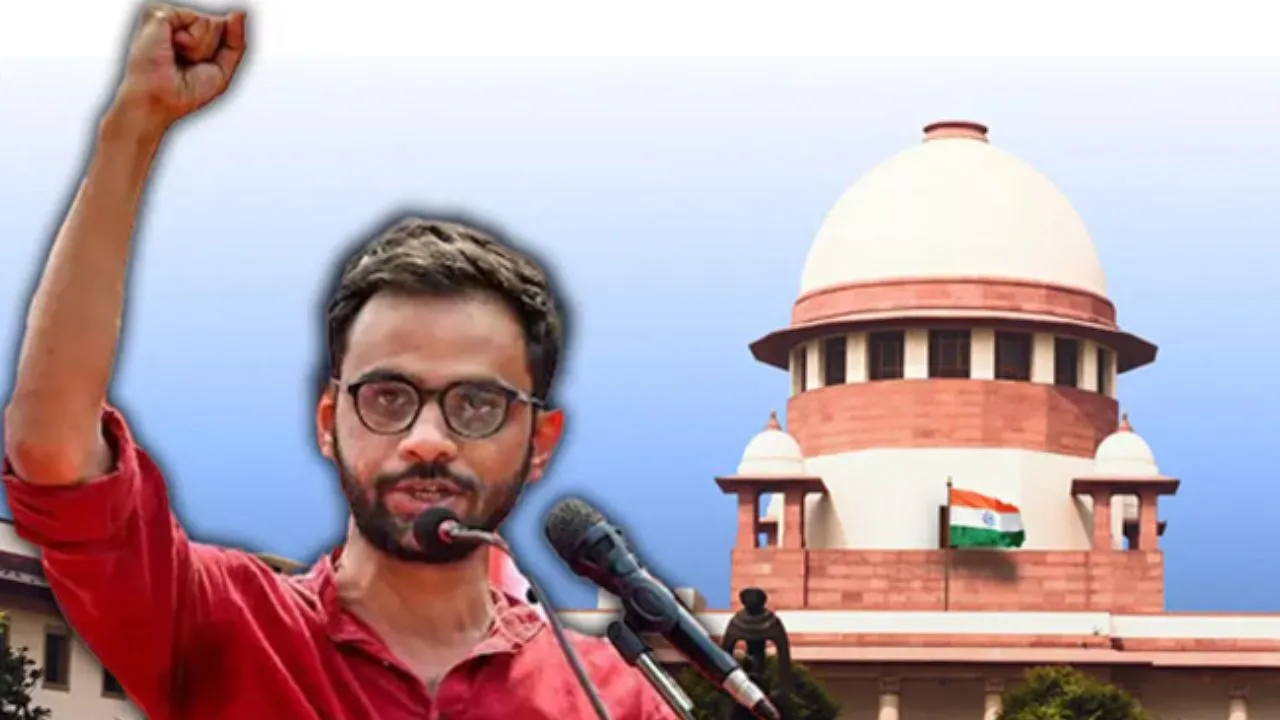
The Supreme Court has announced plans to revisit its previous order that denied bail to Umar Khalid, who is implicated in the Delhi riots case. This development signifies a new opportunity for Khalid as he continues to seek legal redress regarding his detention. The consideration of this matter by a larger bench reflects the significance of the issues at play in his case.

The specific date for the upcoming hearing has not yet been confirmed, but the announcement has sparked interest in the legal community and among those following the case. Khalid’s defence team has expressed optimism that the involvement of a larger bench may lead to a more favourable outcome.

This reconsideration comes in light of ongoing discussions regarding the legal principles involved in the case and the broader implications for individuals accused of participation in the Delhi riots that erupted in February 2020. The court’s decision is awaited with importance, as it may set precedents for similar cases in the future.

Background of the Delhi Riots Case

The Delhi riots were marked by significant violence and disorder, resulting in numerous casualties and substantial property damage. The unrest reportedly developed from tensions surrounding a contentious citizenship law and rapidly escalated into widespread clashes among various communities. Khalid has been accused of orchestrating certain elements of the unrest, leading to his arrest and subsequent denial of bail.

The Supreme Court’s initial decision to deny bail has raised questions about the implications of the charges against Khalid and others involved. Legal experts suggest that the case embodies a complex intersection of law, politics, and social justice, making it a significant point of reference in contemporary Indian jurisprudence.

Legal Implications and Future Directions

The forthcoming hearings by the larger bench will scrutinise the legal arguments presented both for and against the bail application. Legal analysts are keen to observe how the court balances the right to fair trial with the state’s interests in maintaining law and order. Given the nature of the charges, the court’s ruling may inform future judicial approaches to similar cases involving political dissent and accusations of incitement to violence.

The Supreme Court’s examination of this case may also encourage a reassessment of the legal framework underpinning arrests related to political demonstrations. Observers note that how the judiciary interprets existing laws could influence broader societal perceptions about dissent and the protection of civil rights in India.

As the case develops, it will likely remain a focal point for discussions about the legal treatment of individuals involved in civil disturbances and the necessary balance between security and liberty in a democratic society. The outcome of the larger bench’s hearings has the potential to shape public and legal discourse surrounding similar cases in India significantly.

Long or Short, get news the way you like. No ads. No redirections. Download Newspin and Stay Alert, The CSR Journal Mobile app, for fast, crisp, clean updates!

App Store –  https://apps.apple.com/in/app/newspin/id6746449540 

Google Play Store – https://play.google.com/store/apps/details?id=com.inventifweb.newspin&pcampaignid=web_share

Latest News

Popular Videos
