


Spanish Athlete Completes 500-Day Cave Lock-In Experiment
The CSR Journal Magazine

A Spanish athlete has recently emerged from a 230-foot-deep cave after an unusual experiment lasting 500 days. This extraordinary undertaking aimed to study the psychological and physiological effects of prolonged isolation. The project, described as a scientific exploration, sought to contribute insights into human adaptability in extreme conditions.

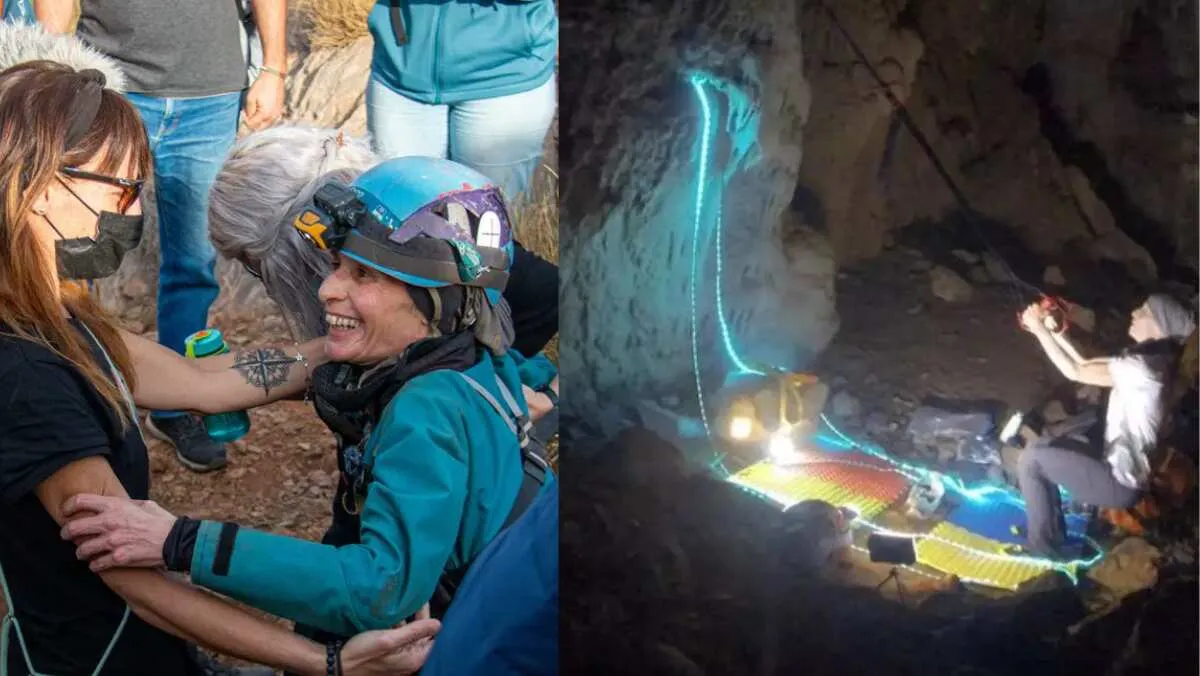
The athlete, Beatriz Flamini, entered the cave located in the Sierra Nevada mountain range on 20 November 2021. Flamini, who is well-known in the realm of extreme sports, volunteered for this drastic undertaking and underwent extensive preparations prior to her descent. The project was part of an investigation into how individuals cope with extended periods of solitude.

Reactions to the Experiment’s Conclusion

Upon her emergence from the cave, Flamini reportedly believed only 160 days had elapsed. This significant discrepancy highlights the impact of isolation on perception of time. The experience gave her an altered sense of reality, showcasing the profound effects of a long-term solitary environment on an individual’s cognitive faculties.

Family and friends greeted her at the cave’s entrance upon her return to the surface, celebrating her remarkable feat. Flamini expressed a mix of amazement and disbelief at the duration of her confinement, indicating the psychological nuances undertaken during her time alone. “I thought I was gone for five months,” she stated, revealing her surprise at the true length of her isolation.

The project has garnered considerable attention from media outlets and the scientific community alike. Observers and analysts have pointed out that the results may inform future studies related to mental health and the effects of confinement. With long-term lockdowns becoming more common in modern society, understanding these dynamics is crucial for various fields.

Implications for Future Research

 The results of Flamini’s experiment could provide foundational knowledge for future psychological and physiological studies, especially in isolating circumstances. Experts believe that her experiences could yield important data relevant to both space missions and earthly situations involving confinement. Space agencies and organisations engaged in long-term missions may find this information particularly valuable as they prepare for potential future explorations.

Furthermore, the emotional and psychological data derived from the study might contribute to improving mental health interventions for those experiencing isolation, such as in settings like prisons or rehabilitation centres. As society continues to navigate challenges regarding social isolation, insights gained from this experiment will be instrumental in addressing these issues.

In summary, the unique experiment conducted by Beatriz Flamini not only captured public fascination but also opened new avenues for exploration into the intricacies of human psychology related to isolation. As researchers continue to analyse the results, the implications may reverberate throughout a variety of disciplines, providing a clearer understanding of human resilience in extreme conditions.

Long or Short, get news the way you like. No ads. No redirections. Download Newspin and Stay Alert, The CSR Journal Mobile app, for fast, crisp, clean updates!

App Store –  https://apps.apple.com/in/app/newspin/id6746449540 

Google Play Store – https://play.google.com/store/apps/details?id=com.inventifweb.newspin&pcampaignid=web_share

Latest News

Popular Videos
