


Sonam Wangchuk Appears Weak as Hunger Strike Reaches Fifteenth Day
The CSR Journal Magazine

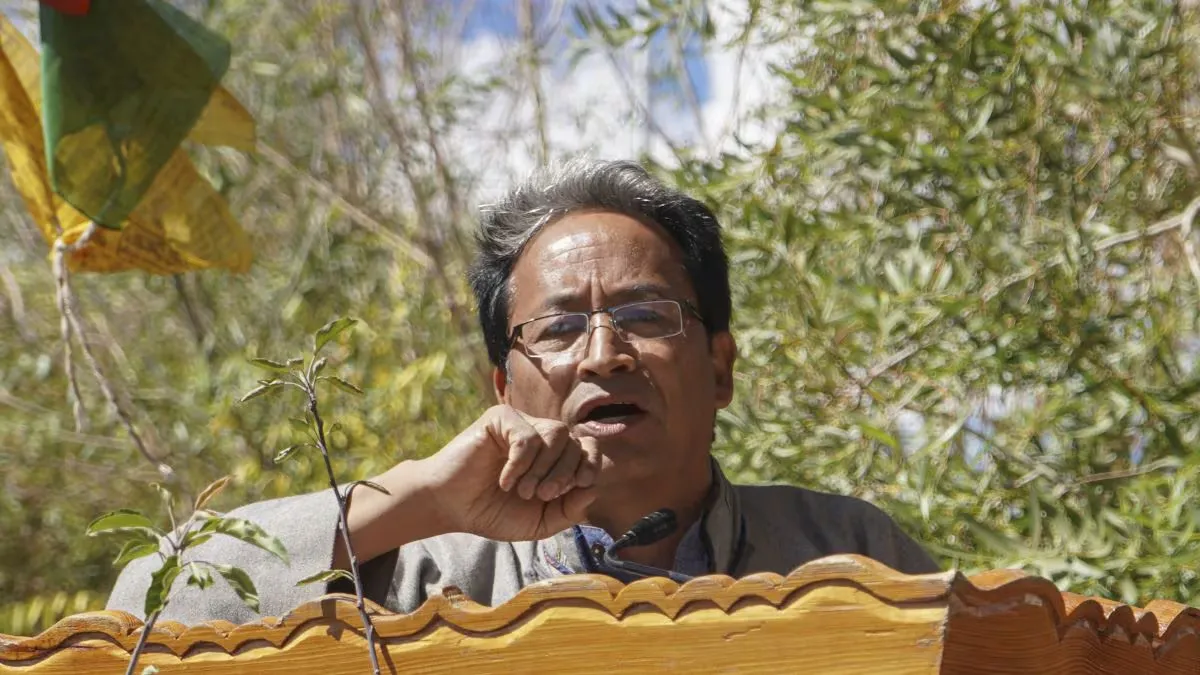
Sonam Wangchuk, the prominent engineer and environmental activist from Ladakh, has reportedly become visibly weak as his hunger strike continues into its fifteenth day. Wangchuk began this protest, to draw attention to various environmental issues affecting the region, particularly the impact of climate change and the demand for autonomy in governance.

Medical experts have expressed concern over Wangchuk’s health during this period of fasting. Friends and supporters have been monitoring his condition closely, with some indicating that he is experiencing fatigue and weakness. Healthcare professionals stress the potential health risks associated with prolonged hunger strikes, underscoring the need for medical supervision.

Family members and supporters are urging Wangchuk to reconsider his decision, fearing for his long-term wellbeing. His commitment to his cause remains strong, though many are worried that the physical toll may hinder his ability to advocate effectively.

Public Response and Support

The hunger strike has attracted significant attention both locally and nationally, with numerous individuals and organisations voicing support for Wangchuk’s cause. Social media platforms have been filled with messages of solidarity, as many in the region rally behind his demands for better climate policies and greater regional autonomy.

Wangchuk has a history of activism, previously known for his efforts in promoting sustainable development in Ladakh. His current action is seen as a continuation of his advocacy for environmental sustainability and cultural preservation. Supporters describe his passion for the region as a motivating factor in mobilising community solidarity around these pressing issues.

Local government representatives have also acknowledged the growing concern surrounding Wangchuk’s health and the underlying issues he is highlighting. While some officials have offered to engage in dialogue regarding his demands, they stress the need to balance developmental activities with environmental protection.

Dialogue and Negotiations

In the wake of Wangchuk’s hunger strike, calls for dialogue between the activist and local authorities have increased. Advocates are urging the government to address the issues Wangchuk has raised, including demands for stronger environmental regulations and measures to combat climate change in Ladakh.

Reports suggest that there has been a partial willingness from governmental bodies to discuss some of these concerns. However, the specifics of potential negotiations remain unclear, with many followers expressing frustration over the slow response from authorities. Immediate discussions are viewed as essential for creating a constructive resolution.

As Wangchuk’s hunger strike continues, the spotlight on environmental issues in Ladakh grows, leading to wider conversations about sustainable practices and governance in the region. Several environmental groups are using this moment to advocate for policy changes that align with Wangchuk’s vision, emphasising the urgency of the situation.

The outcome of this hunger strike is yet to be seen, but the developments surrounding it are likely to influence local discourse on governance, environment, and community rights. Wangchuk’s deteriorating condition serves as a reminder of the lengths individuals may go to raise awareness on critical issues affecting their communities.

Long or Short, get news the way you like. No ads. No redirections. Download Newspin and Stay Alert, The CSR Journal Mobile app, for fast, crisp, clean updates!

App Store –  https://apps.apple.com/in/app/newspin/id6746449540 

Google Play Store – https://play.google.com/store/apps/details?id=com.inventifweb.newspin&pcampaignid=web_share

Latest News

Popular Videos
