


Sleep Paralysis vs Stroke: How to Tell the Difference and When to Seek Help
The CSR Journal Magazine

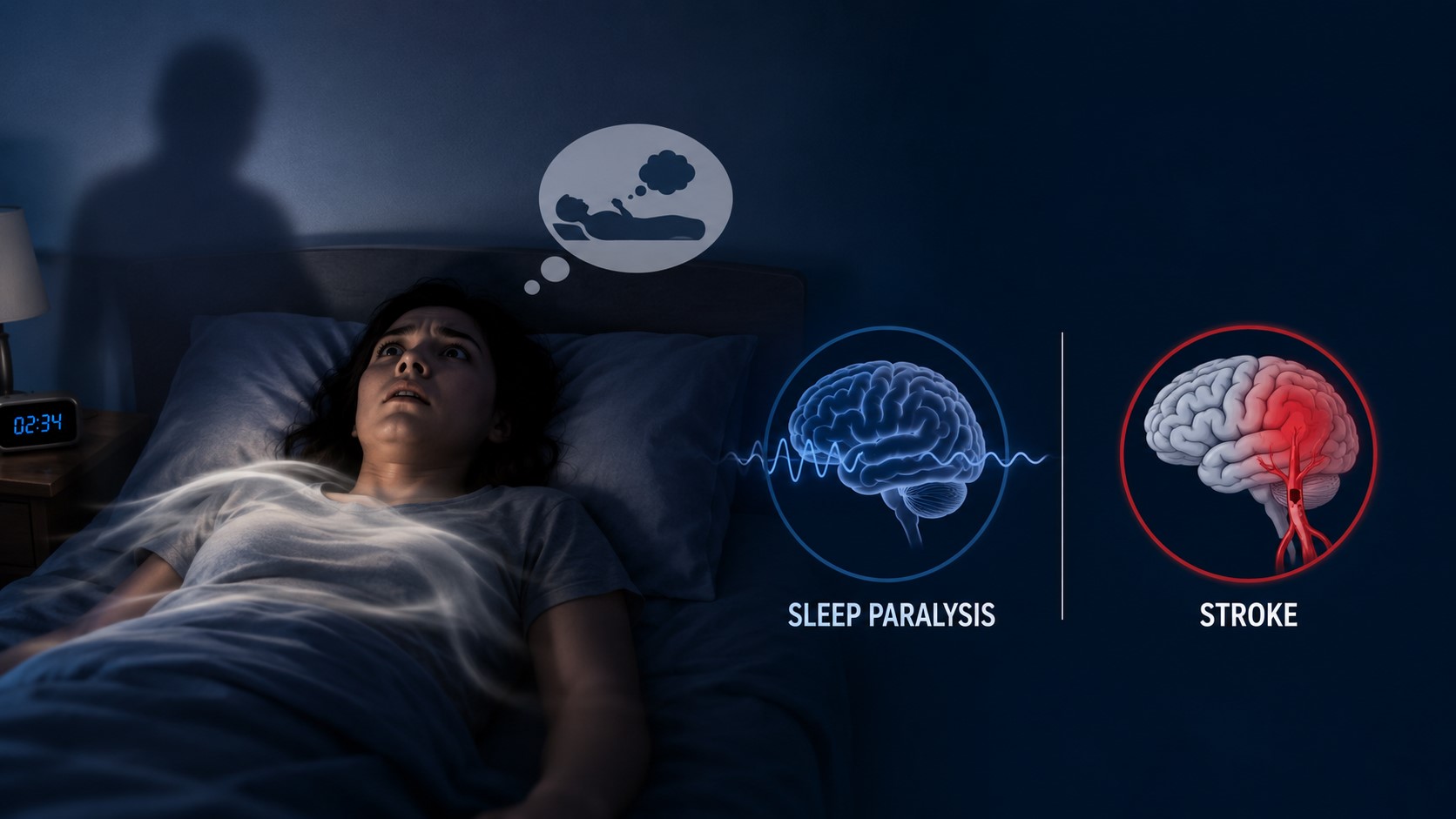
The phenomenon known as sleep paralysis can cause an individual to awaken at night and feel unable to move or speak. A sensation of pressure on the chest often accompanies this experience, leading some to worry they might be having a stroke. However, medical experts clarify that such episodes are typically indicative of sleep paralysis, which is usually harmless and temporary.

Research suggests that approximately one in five individuals may encounter sleep paralysis at least once in their lifetime. Many mistakenly attribute this experience to strokes, seizures, or even supernatural encounters, though the conditions require different responses and have distinct characteristics.

Sleep paralysis occurs during the delicate transition between sleep and wakefulness. During the Rapid Eye Movement (REM) stage of sleep, a process called REM atonia temporarily inhibits most voluntary muscle movements to prevent individuals from acting out their dreams. In some instances, that paralysis remains in place while the person regains awareness, leading to a disconcerting feeling of being awake yet unable to move.

Sleep Paralysis as a Protective Mechanism

Experts assert that sleep paralysis is not a product of brain malfunction, but rather a protective mechanism designed to prevent physical harm during dreaming. Doctors emphasise that this occurrence is simply a matter of timing, where awareness returns before muscle paralysis fully dissipates.

This temporary condition can provoke an overwhelming sense of fear, partly due to the heightened activity in brain centres related to threat detection, especially the amygdala. Thus, individuals may perceive a menacing presence or experience chest pressure during an episode, leading them to feel as if they are in a perilous situation.

Doctors highlight that while sleep paralysis can feel intimidating, there is a fundamental distinction between the sensation of danger and actual harm. The underlying brain processes simply misalign, resulting in a distressing experience that is not life-threatening.

Recognising the Differences Between Conditions

While both sleep paralysis and strokes share common symptoms such as the inability to move, the doctors emphasise that the fundamental mechanisms of the two are different. In sleep paralysis, individuals maintain awareness of their surroundings and can recall the event clearly, without any physical damage to the brain.

In stark contrast, a stroke occurs when blood flow to a section of the brain is disrupted, leading to the death of brain cells and potential long-term neurological impairments. Symptoms like facial drooping, speech disturbances, and physical weakness may manifest, persisting for extended periods, necessitating immediate medical attention.

Reports indicate that sleep paralysis can be transient, often linked to factors such as sleep deprivation, stress, or irregular sleep patterns. In contrast, recurrent episodes might signal deeper issues, including chronic sleep disorders or anxiety. Medical evaluation is advised for those experiencing frequent occurrences, particularly when accompanied by excessive daytime sleepiness or sudden muscle weaknesses.

When to Seek Medical Help

While sleep paralysis episodes typically resolve in seconds to minutes, certain symptoms warrant urgent medical attention. If individuals experience weakness on one side of the body, facial drooping, persistence in slurred speech, confusion, or balance issues post-wakefulness, they should seek immediate medical evaluation for a potential stroke.

Doctors highlight the urgency surrounding strokes, explaining that significant brain cell damage can occur with each passing minute of interrupted blood flow. Therefore, caution is advised when distinguishing between the two conditions to avoid unnecessary panic while ensuring genuine stroke symptoms receive the necessary urgent care.

Experts underscore that the most significant misconception surrounding sleep paralysis is that it indicates severe brain damage. They encourage individuals to focus on breathing slowly and making small movements during an episode to facilitate a smooth return to wakefulness. Ultimately, knowledge about sleep paralysis versus stroke can alleviate unwarranted distress and promote proper medical responsiveness when required.

Long or Short, get news the way you like. No ads. No redirections. Download Newspin and Stay Alert, The CSR Journal Mobile app, for fast, crisp, clean updates!

App Store –  https://apps.apple.com/in/app/newspin/id6746449540 

Google Play Store – https://play.google.com/store/apps/details?id=com.inventifweb.newspin&pcampaignid=web_share

Latest News

Popular Videos
