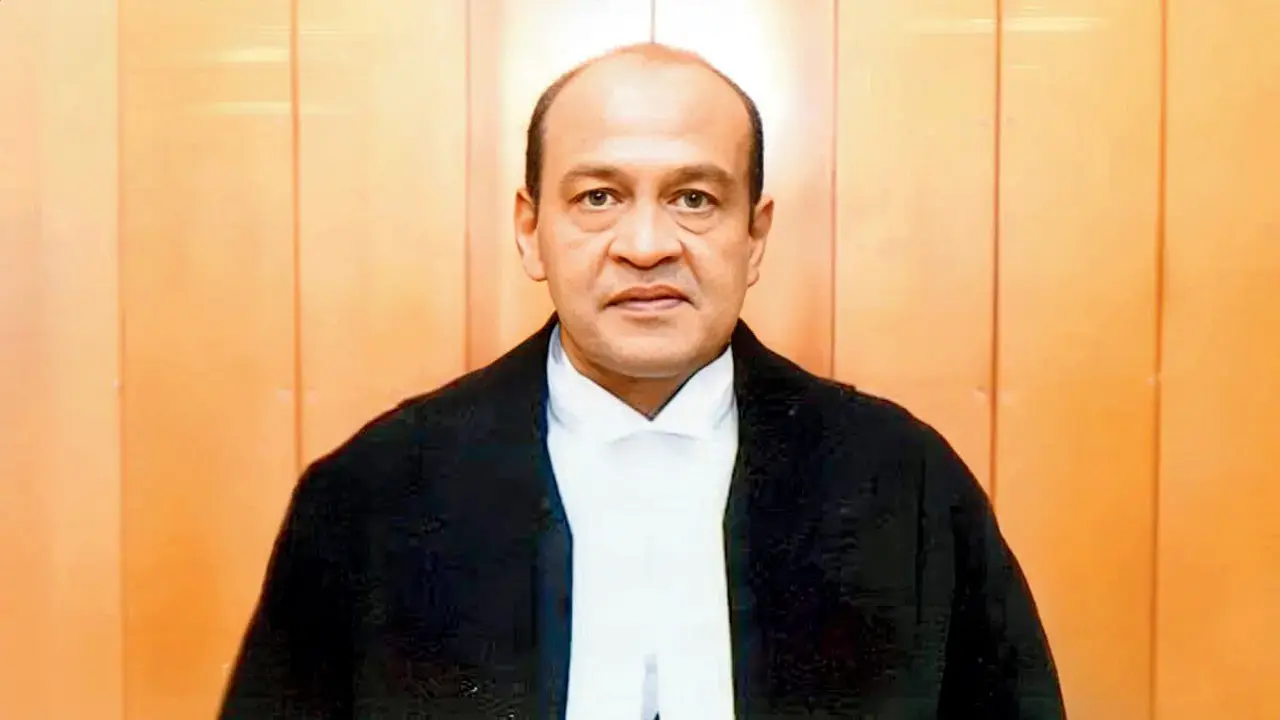
An inquiry committee appointed by Parliament has established that all three charges against Justice Yashwant Varma have been substantiated. This conclusion arises from a report presented to both the Lok Sabha and Rajya Sabha in New Delhi on August 12. The committee’s investigation was prompted by the alleged discovery of cash in a storeroom at Varma’s official residence.
The report reveals that a significant quantity of Rs 500 notes was located within the storeroom. Following his resignation as High Court Judge in April this year, Varma reportedly failed to offer a convincing explanation regarding the origin, ownership, or presence of the cash.
Additionally, the inquiry assessed the circumstances surrounding the storeroom after the cash’s discovery, noting that the area was disturbed prior to a proper sealing and inspection. This disturbance compromised the potential preservation of vital evidence.
Defence and Evasive Explanations
<h4Initially, Justice Varma allegedly denied the allegations but later proposed various scenarios, suggesting that the cash might have been planted or that a conspiracy by other individuals was at play. However, the committee stated that no supportive evidence was offered to validate these claims during the investigation.
The inquiry also highlighted that relevant personnel were not called as defence witnesses, and there was no formal complaint or FIR filed indicating that the cash had been planted or that any evidence had been tampered with. This lack of supporting evidence has led the committee to draw adverse inferences regarding Varma’s defence.
The committee concluded that Varma’s explanations were not only incomplete but also misleading, failing to meet the expected standards of transparency, honesty, and responsibility associated with a constitutional court judge.
Details of the Charges
The report identifies three specific charges against Justice Varma. The first charge pertains to the discovery and possession of unidentified Indian currency notes found within official premises. The second charge involves a failure to maintain and the interference with material evidence. Finally, the third charge concerns the provision of evasive and misleading explanations regarding the circumstances surrounding the case.
The inquiry involved a thorough review of documentary and electronic evidence, and the committee recorded testimonies from witnesses to support its findings. Justice Varma was reportedly given an opportunity to respond to the allegations and present his defence during the inquiry process.
The document accompanying the inquiry report details several key elements, including the occurrence of a fire, the discovery of cash, and the storeroom’s location within the Government-allotted residence. The committee has indicated that the findings are a result of a comprehensive examination and firmly established the charges against Justice Varma.
The inquiry committee emphasised that article one of the charges was confirmed, stating that substantial unexplained Rs 500 currency notes were found in the storeroom at the official residence located at 30, Tughlaq Crescent, New Delhi. The committee asserted that Varma did not satisfactorily clarify the presence or ownership of these notes.
The second article of the charges was also validated, indicating that material evidence was neither secured nor preserved, and the condition of the storeroom was disturbed before lawful sealing and inspection could occur. The report reflects that the absence of the currency notes remains unaccounted for.
The committee concluded that the explanations provided by Justice Varma lacked the transparency and candour required in such circumstances and were deemed evasive when compared against independent witness testimonies.
Long or Short, get news the way you like. No ads. No redirections. Download Newspin and Stay Alert, The CSR Journal Mobile app, for fast, crisp, clean updates!