
The Special Investigation Team (SIT) has officially submitted its final report regarding the controversial mass burial case in Dharmasthala, Karnataka. This submission marks the culmination of a year-long inquiry into serious allegations that have garnered significant public attention. The report totals nearly 7,000 pages and includes various documents and pieces of evidence acquired throughout the investigation process.
Included in the report is the property or asset register, which is a critical element of the evidence collected by the investigators. The final document was submitted on the one-year anniversary of the Karnataka government’s decision to form the SIT for probing allegations of mass burials, assaults, murders, and associated cover-ups related to the temple town.
Whistleblower’s Role and Allegations
Key figures involved in the case, such as former sanitation worker CN Chinnayya, who is known as the “mask man” of Dharmasthala, were present during the report’s submission. Chinnayya, who initially emerged as the primary whistleblower, later alleged he was manipulated into fabricating a narrative for external agendas. His earlier claims suggested he had participated in the illegal disposal of dozens of women and minors between 1995 and 2014, asserting that many of the victims appeared to have been victims of sexual violence prior to their deaths.
The allegations sparked considerable public outrage, leading to calls for an independent investigation. The Karnataka State Commission for Women intervened, prompting the formation of a 20-member SIT. This team was mandated to investigate longstanding issues related to unexplained deaths, disappearances, and allegations of sexual abuse in the region.
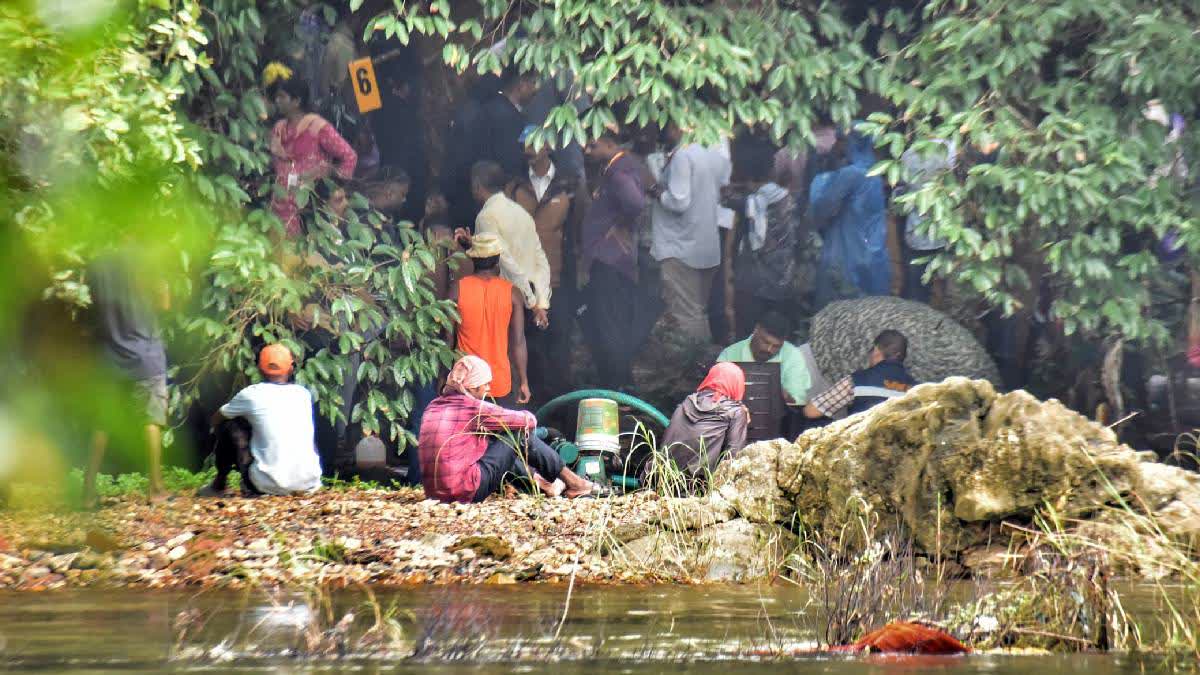
In its investigative efforts, the SIT identified 15 sites for excavation where they recovered skeletal remains and soil samples. Forensic examinations reportedly indicated the presence of toxic substances in some remains discovered at a couple of excavation sites, adding layers of complexity to the investigation.
Investigation Developments and Turning Points
The situation became increasingly complex as investigations expanded to include multiple old cases of unnatural deaths, following a suo motu notice taken by the Human Rights Commission. However, the case took a significant twist when authorities began scrutinising Chinnayya’s testimony, leading to his arrest on charges of perjury. They argued that major inconsistencies had been found in his statements concerning the alleged mass burials.
In response to his arrest, Chinnayya sought relief from the Karnataka High Court, claiming that he had faced coercion from activists to make false accusations in an attempt to damage the reputation of Dharmasthala and its administration. He further alleged that he had been an unwilling participant in a conspiracy against the town, subsequently receiving bail from a Mangaluru court.
With the submission of the comprehensive 7,000-page report, the investigation is now set to enter a critical judicial stage. The Karnataka court is anticipated to meticulously review the findings and determine the subsequent course of action, marking this case as one of the most closely monitored investigations in the southern state.
Long or Short, get news the way you like. No ads. No redirections. Download Newspin and Stay Alert, The CSR Journal Mobile app, for fast, crisp, clean updates!
App Store – https://apps.apple.com/in/app/newspin/id6746449540
Google Play Store – https://play.google.com/store/apps/details?id=com.inventifweb.newspin&pcampaignid=web_share