


Renewed US-Iran Strikes Occur Amid Deployment of US Sea Drone in Hormuz
The CSR Journal Magazine

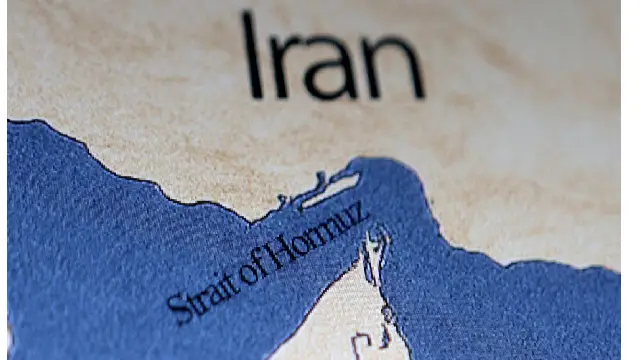
Recent events in West Asia have seen a significant uptick in tensions between the United States and Iran. Following an incident in which Iran reportedly shot down a US Army Apache helicopter near the Strait of Hormuz, a series of retaliatory actions ensued. This escalation aligns with comments made by former President Donald Trump, who noted the cyclical nature of conflict in the region, where violence often continues in a modified form.

The US response involved precision strikes on nearly 20 Iranian military sites, focusing particularly on coastal defence systems and other strategic locations in southern Iran. This pattern marks a significant turn in the ongoing hostilities, suggesting a broader strategy to undermine Iran’s military capabilities in the region.

As tensions flared, US Central Command justified its actions as necessary for self-defence, particularly in reaction to the downed helicopter incident that elevated military engagement levels.

Targeted Strikes and Tactical Objectives

Following the downing of the Apache helicopter, the US military’s strikes targeted a variety of Iranian locations, especially in southern Iran and near the vital shipping lanes of the Strait of Hormuz. Reports indicate that significant assets, such as Iranian air defence systems and surveillance radar sites, were struck using advanced munitions deployed by US Air Force and Navy aircraft.

Among the targets, Qeshm Island, a strategic military node, faces scrutiny due to its role in Iran’s coastal defence architecture. Bandar Abbas, as another focal point, serves as Iran’s main naval base, reinforcing its military position in the Gulf. These targeted actions suggest an intent not just to respond but to systematically weaken Iran’s logistical and surveillance capabilities.

In addition, Jask, a coastal district with strategic significance, received attention for its growing naval infrastructure, which Iran has bolstered to secure its interests around Hormuz. Strikes in less well-known yet military crucial locations such as Sirik and Minab indicate a comprehensive approach by US forces to disrupt Iran’s operational capacity in contested waters.

Iran’s Multifaceted Retaliation

In reaction to US military actions, Iran reportedly launched strikes against various targets across the Gulf, including a US base in Jordan and facilities in Bahrain and Kuwait. Iranian state media stated that these actions were a direct consequence of the US strikes near Hormuz. Among the reported incidents, long-range missiles allegedly targeted the US al-Azraq base in Jordan, though Jordanian sources claimed to have intercepted several incoming projectiles.

In Bahrain, the activation of air defence systems came in response to an apparent threat against the US Fifth Fleet’s headquarters, leading to heightened alert levels. Although Iranian media suggested that drone strikes were aimed at this naval base, official confirmation regarding the effectiveness of these attacks remains unforthcoming.

Kuwait’s authorities also issued advisories for residents amidst fears of potential missile threats. While air defence systems reportedly engaged several aerial targets, it remains unclear whether these interventions prevented any impacts or caused any physical damage. Notably, the UAE has not been targeted in these recent strikes, suggesting a shift in the scope of Iranian retaliation towards countries that host significant US military presence.

Long or Short, get news the way you like. No ads. No redirections. Download Newspin and Stay Alert, The CSR Journal Mobile app, for fast, crisp, clean updates!

App Store –  https://apps.apple.com/in/app/newspin/id6746449540 

Google Play Store – https://play.google.com/store/apps/details?id=com.inventifweb.newspin&pcampaignid=web_share

Latest News

Popular Videos
