


FATF Flags Rising Misuse of Decentralised Finance, Says 93% of Jurisdictions Lack Adequate Rules
The CSR Journal Magazine

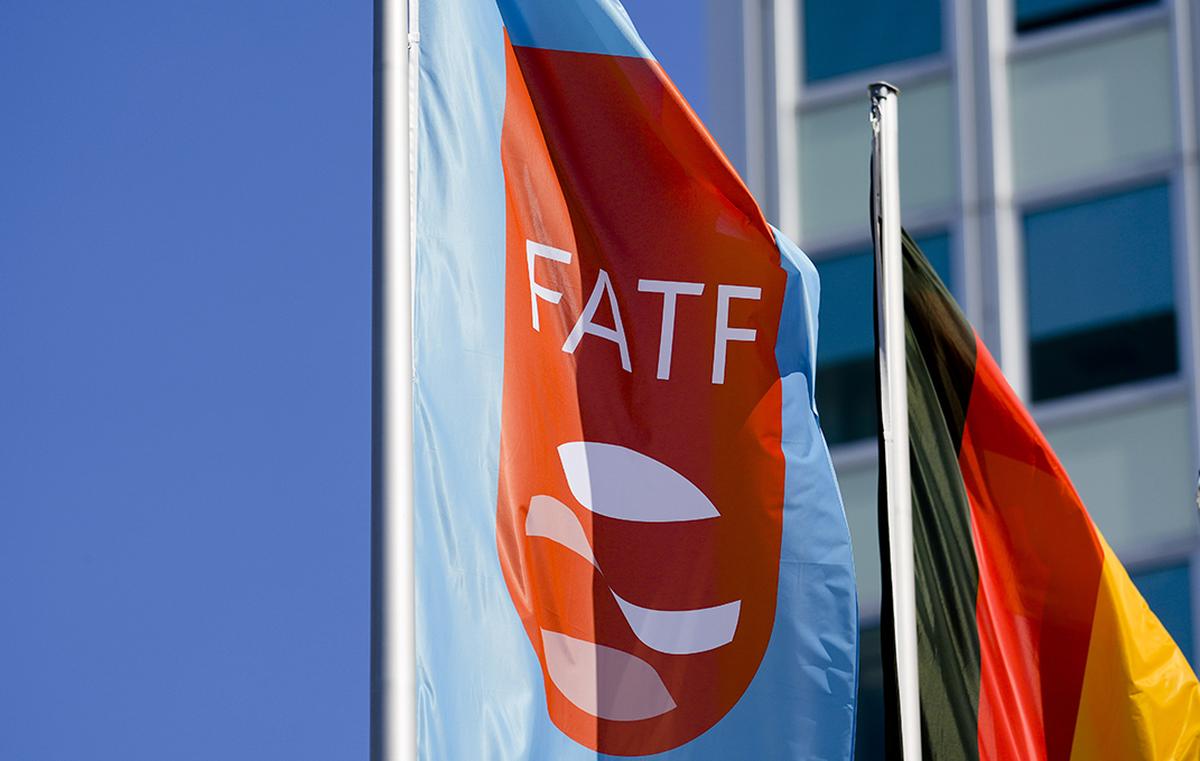
The Financial Action Task Force (FATF) has warned that decentralised finance (DeFi) is increasingly being exploited by criminals, including fraudsters, ransomware operators, money laundering networks and proliferation financing actors, while most countries have yet to implement adequate regulatory safeguards.

In a report released on Tuesday, the global anti-money laundering watchdog said the rapid growth of DeFi has outpaced regulation, with nearly 93 per cent of jurisdictions failing to implement FATF standards for qualifying DeFi arrangements. It urged governments and financial institutions to strengthen oversight while ensuring responsible financial innovation.

Most Jurisdictions Yet to Regulate DeFi

According to the FATF’s Targeted Report on Regulatory Challenges from DeFi, 132 of the 142 reporting jurisdictions have not implemented the organisation’s standards for qualifying DeFi arrangements.

The report also found that only two of the 142 jurisdictions have licensed or registered DeFi arrangements in practice, despite the sector’s rapid global expansion.

FATF noted that DeFi technologies offer significant opportunities for financial innovation. However, features such as permissionless access, automated smart contracts, cross-border transactions and the ability to conduct transactions without revealing users’ identities also create opportunities for criminal exploitation.

Centralised Control Persists Despite Decentralisation Claims

The watchdog clarified that DeFi arrangements fall within the scope of its standards governing virtual assets under Recommendation 15 whenever a natural or legal person exercises control or sufficient influence over the platform.

While many DeFi projects present themselves as decentralised, FATF found that centralised elements often remain.

These include concentrated ownership of governance tokens, administrative privileges, control over software upgrades, significant economic benefits and influence over platform development and infrastructure.

The report identified both on-chain and off-chain indicators of control to help regulators determine whether a DeFi arrangement falls within existing regulatory frameworks.

Criminals Using Sophisticated Techniques

FATF warned that illicit activity involving DeFi increasingly relies on complex techniques such as chain-hopping, cross-chain bridges, decentralised exchanges, cryptocurrency mixers and governance manipulation to conceal the movement of illegal funds.

It cited proliferation financing as a growing concern, noting that in April 2026 alone, two major cyberattacks on DeFi platforms attributed to the Democratic People’s Republic of Korea (DPRK) accounted for approximately 76 per cent of all annual losses from virtual asset hacking incidents, with combined proceeds exceeding USD 570 million.

The report also highlighted fraud cases involving the SafeMoon Token Scheme and the Forsage platform, saying criminals exploited platforms that appeared legitimate while secretly retaining control over critical technical functions to divert investors’ funds.

FATF Calls for Stronger Oversight

The watchdog said financial institutions and virtual asset service providers (VASPs) interacting with DeFi arrangements should comply with relevant FATF standards, including Recommendation 15 on new technologies, Recommendation 10 on customer due diligence and Recommendation 13 on correspondent banking.

It added that institutions should refrain from engaging with DeFi arrangements where compliance with these standards cannot be achieved.

FATF recommended that jurisdictions with higher levels of DeFi activity devote greater resources to supervision and risk mitigation.

According to the report, North America and Europe account for around 60 per cent of global DeFi transactions, while the Middle East and Africa together contribute less than 10 per cent. It also noted that the 20 largest DeFi protocols represent more than 70 per cent of total activity in the sector.

Recommendations for Governments and Industry

The report outlined several recommendations for governments, financial institutions and DeFi operators, including the development of proportionate regulatory frameworks, smart contract certification, stronger cooperation between financial regulators and law enforcement agencies, thematic regulatory workshops and enhanced public-private partnerships.

FATF also recommended creating specialised cryptocurrency investigation teams and strengthening information sharing between financial intelligence units through platforms such as the Egmont Secure Web and FIU.net to better identify cross-border risks.

FATF President Giles Thomson said governments and industry must prevent criminals from exploiting emerging technologies without stifling innovation.

“Strong co-operation and information sharing, particularly through public-private partnerships, is critical to sharpening the global response to this emerging technology and protecting the integrity of the international financial system,” Thomson said.

Long or Short, get news the way you like. No ads. No redirections. Download Newspin and Stay Alert, The CSR Journal Mobile app, for fast, crisp, clean updates!

App Store –  https://apps.apple.com/in/app/newspin/id6746449540 

Google Play Store – https://play.google.com/store/apps/details?id=com.inventifweb.newspin&pcampaignid=web_share

Latest News

Popular Videos
