


QR Codes Mandatory for Vaccines, Antibiotics, and Cancer Drugs to Combat Counterfeits
The CSR Journal Magazine

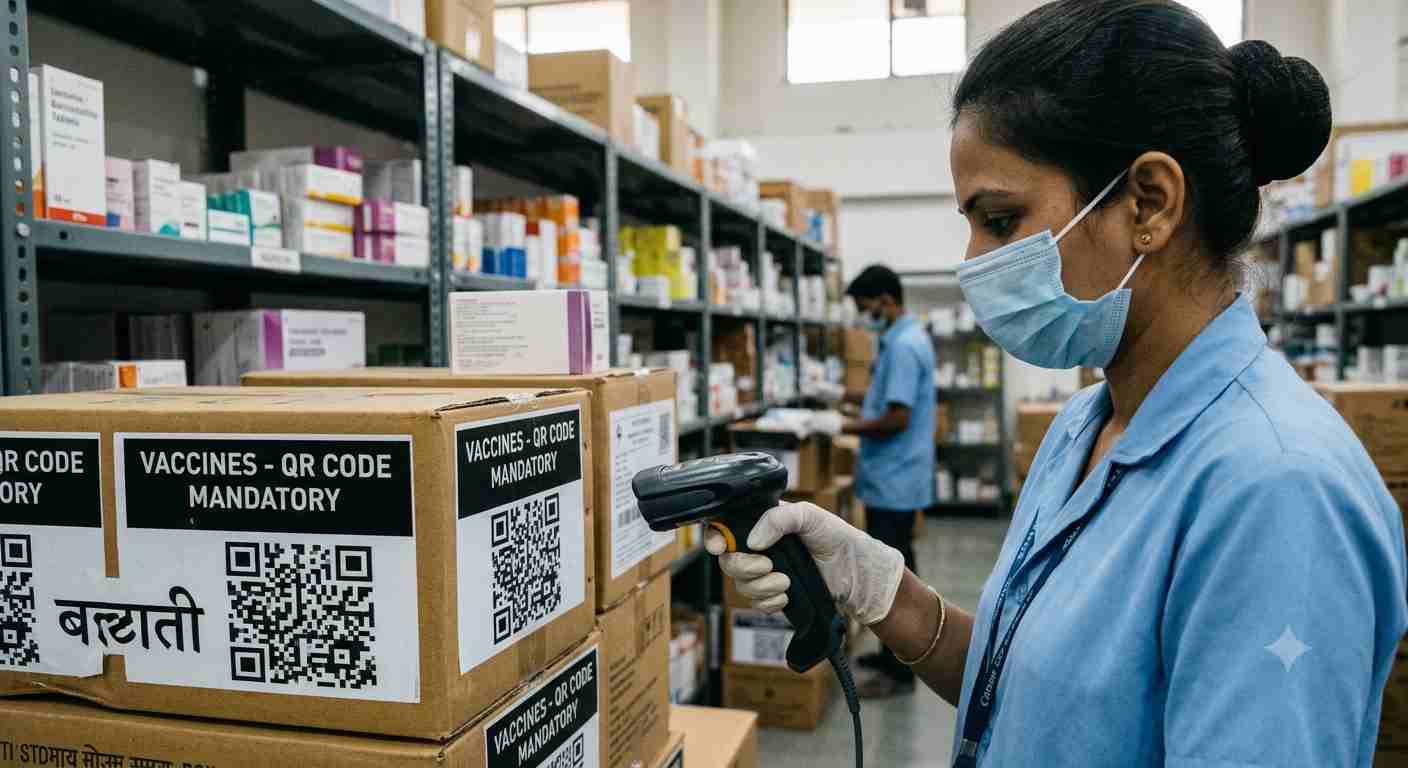
The Centre has mandated the use of barcode or quick response (QR) codes on a wide array of critical medications, including vaccines, antibiotics, anti-cancer drugs, and psychotropic medicines. This initiative aims to enhance drug safety and address the rising issue of counterfeit pharmaceuticals in India. The Union health ministry announced these amendments to the Drugs Rules, 1945, on Thursday, effectively broadening the scope of the country’s track-and-trace system for medications.

According to the new regulations, all vaccines, antimicrobials, anti-cancer medicines, and narcotic and psychotropic drugs, covered under the Narcotic Drugs and Psychotropic Substances (NDPS) Act, 1985, will now fall under Schedule H2 of the Drugs Rules. Manufacturers are expected to print or affix QR codes onto the primary packaging of these products. In situations where space is limited, the code may also be applied to the secondary packaging.

The digital code aims to enable consumers, pharmacists, distributors, and regulatory authorities to verify the authenticity of medications at different stages within the supply chain. It will store comprehensive product details, including a unique product identification code, generic and brand names, information about the manufacturer, batch number, manufacturing and expiry dates, as well as the manufacturing licence number and details concerning excipients when applicable.

Enhancing Drug Transparency

The government has indicated that this measure is intended to improve transparency and facilitate the straightforward verification of medicines, allowing consumers to ascertain the authenticity and quality of products. Acknowledging the significant scope of implementation needed across the pharmaceutical sector, the government has provided staggered timelines for compliance.

Manufacturers of vaccines, anti-cancer medicines, and narcotic and psychotropic drugs will be required to meet the new labelling standards by July 1, 2027. The mandate for antimicrobials, which includes antibiotics, will take effect a year later, starting July 1, 2028. This gradual implementation reflects the government’s recognition of the extensive adjustments necessary within the industry.

This announcement comes in response to growing apprehensions regarding counterfeit medications infiltrating the market, which pose significant risks to patient safety and public health. Previously, QR code-based identification was obligatory only for the top 300 pharmaceutical brands in India. The recent amendments significantly broaden the regulations to encompass entire categories of high-risk and commonly utilised medications.

Addressing Counterfeit Medication Concerns

By improving tracking and identification of counterfeit or low-quality antimicrobial products, the authorities aim to assure that patients receive safe and effective treatments. The implementation of this regulation constitutes one of the most significant extensions of India’s pharmaceutical authentication framework, reinforcing consumer trust and fortifying the integrity of the country’s drug supply chain.

The government’s decisive action underscores its commitment to ensuring the safety and efficacy of medications available in India, reflecting its sustained effort to protect public health as well as the welfare of its citizens.

Long or Short, get news the way you like. No ads. No redirections. Download Newspin and Stay Alert, The CSR Journal Mobile app, for fast, crisp, clean updates!

App Store –  https://apps.apple.com/in/app/newspin/id6746449540 

Google Play Store – https://play.google.com/store/apps/details?id=com.inventifweb.newspin&pcampaignid=web_share

Latest News

Popular Videos
