


Pakistan Faces Severe Air Pollution Crisis Causing 135,000 Premature Deaths Annually
The CSR Journal Magazine

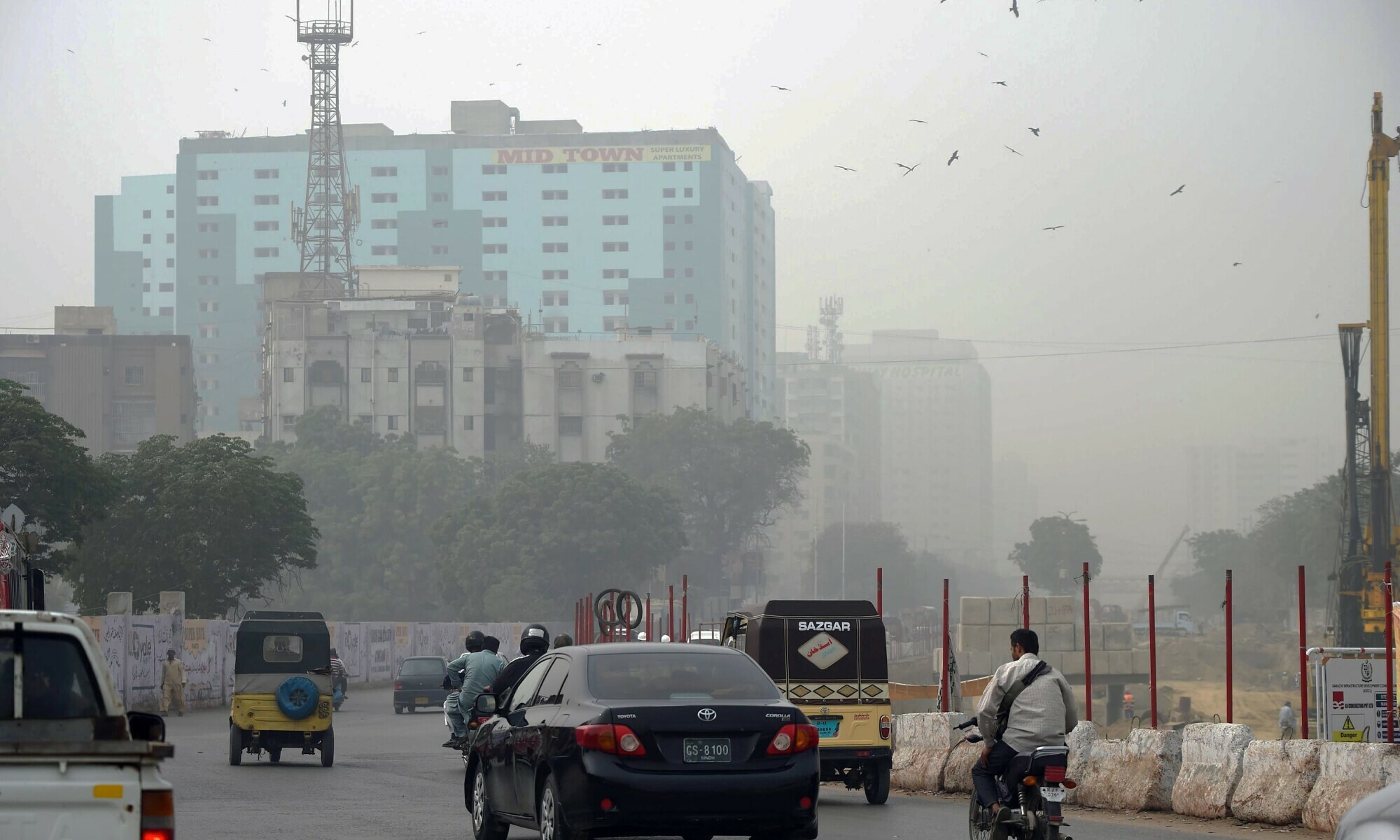
Air pollution has emerged as a critical crisis in Pakistan, reportedly leading to approximately 135,000 premature deaths annually. This alarming statistic was disclosed during a session of the National Assembly, illustrating the profound risks posed to public health and the environment.

A recent report indicates that rising levels of toxic air and persistent smog are significantly reducing the average lifespan of residents by around two years and seven months. The primary hazard identified is PM2.5, which consists of dangerously fine particulate matter suspended in the air.

Health experts warn that long-term exposure to such pollutants can lead to severe chronic health conditions. Vulnerable populations, including children, the elderly, and individuals with existing health issues, are particularly at risk from the adverse effects of air pollution.

Impact of Air Quality on Daily Life

The major urban centres, particularly Lahore and its surrounding areas, rank among the regions most affected by poor air quality. During winter months, dense smog disrupts normal activities, leading to school closures and exposing millions of people to hazardous pollution levels.

Officials have described the deteriorating air quality as an escalating public health emergency that compounds year after year. With Pakistan’s urban population projected to increase to nearly 120 million by 2030, there are concerns that without significant reforms, environmental degradation and harmful emissions will worsen further.

In light of these challenges, authorities are facing increasing pressures to implement effective measures to address this pressing issue. The rising pollution levels have not only diminished the quality of air but have also contributed to growing rates of respiratory diseases and cardiovascular complications across the nation.

Government Response to Air Quality Crisis

The federal and provincial governments have intensified their efforts under the National Clean Air Policy 2023 amidst growing criticism regarding environmental policies. Officials have pledged to enforce stricter regulations against the burning of crop residues, emissions from vehicles, and industrial pollution.

As part of their strategy, monitoring systems and enforcement measures are being bolstered to mitigate the persistent smog problems. These efforts are crucial in combating the detrimental effects of air quality on public health and overall life expectancy in Pakistan.

Authorities aim to tackle the issue holistically, acknowledging that immediate action is essential in addressing the severe public health implications posed by air pollution. The ongoing initiatives reflect a recognition of the need for collaboration at multiple levels to ensure cleaner air and improve the health of Pakistan’s population.

Long or Short, get news the way you like. No ads. No redirections. Download Newspin and Stay Alert, The CSR Journal Mobile app, for fast, crisp, clean updates!

App Store –  https://apps.apple.com/in/app/newspin/id6746449540 

Google Play Store – https://play.google.com/store/apps/details?id=com.inventifweb.newspin&pcampaignid=web_share

Latest News

Popular Videos
