


Vitamin Deficiencies Linked To Higher Dementia Risk In Indian Adults
The CSR Journal Magazine

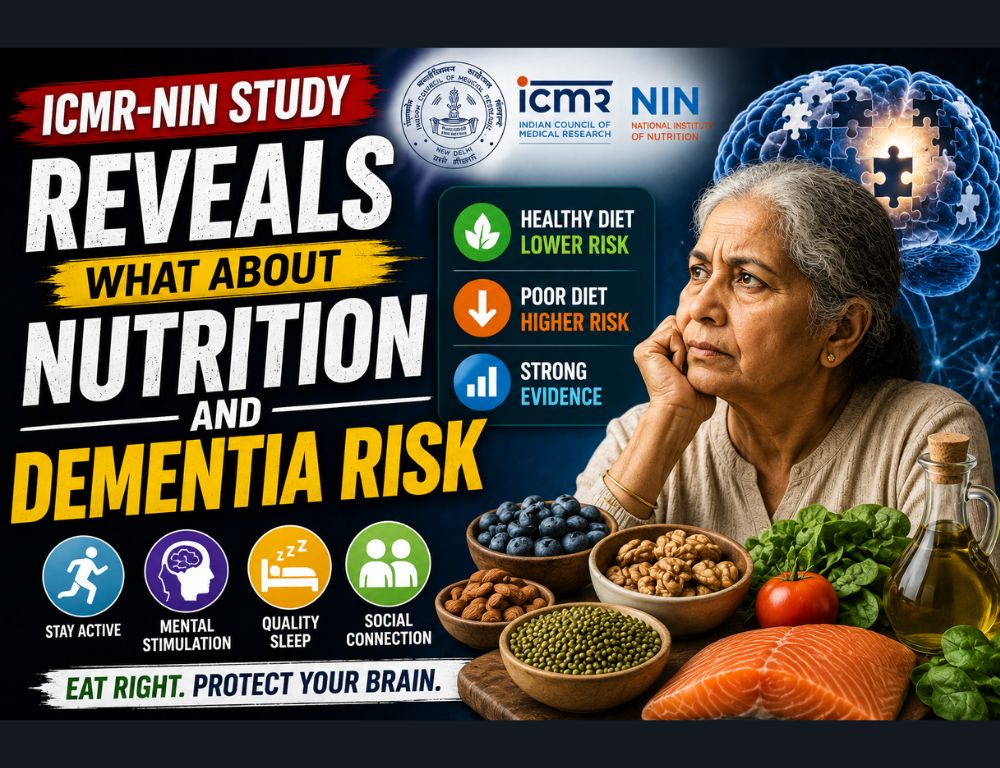
A recent study conducted by the Indian Council of Medical Research-National Institute of Nutrition (ICMR-NIN) establishes a correlation between vitamin deficiencies and an increased risk of dementia among Indian adults. Published in The Lancet Regional Health, the research underscores the significance of nutrition in preserving cognitive function as the population of India ages. It was found that nearly 40 per cent of the participants exhibited a higher predicted risk of dementia, which was strongly associated with poor nutritional status and limited dietary diversity.

Methodology And Key Findings

This community-based cross-sectional study involved 570 adults aged 40 to 80 years from both rural and urban regions of Telangana. Dementia risk was assessed using a culturally adapted version of the Cardiovascular Risk Factors, Ageing and Incidence of Dementia (CAIDE) score. The cognitive performance of participants was evaluated with the Montreal Cognitive Assessment (MoCA), and their vitamin levels were determined through blood sample analysis. Researchers evaluated dietary intake and diversity as part of the assessment.

The results indicated a significant link between elevated dementia risk and inadequate nutrition. Individuals classified in the high-risk category were more frequently deficient in vitamins D, B2, B6, and B12. Additionally, these individuals consumed less diverse diets, tended to have higher saturated fat intake, and lower consumption of healthier unsaturated fats. Notably, deficiencies were more prevalent among those in rural areas, suggesting distinct nutritional challenges for these populations that could elevate dementia risk.

The findings also revealed a positive correlation between diets rich in micronutrients, particularly fruits and vegetables, and a lower prevalence of dementia-related risk factors. This reinforces the idea that improved dietary quality could mitigate cognitive decline.

Implications For Public Health

Dr Reddy suggested that enhancing micronutrient intake and promoting greater dietary diversity could be valuable targets for public health initiatives aimed at reducing dementia risk. The increasing number of older adults living with dementia emphasises the necessity of preventive strategies based on nutritional factors.

ICMR-NIN Director Dr Bharati Kulkarni reflected on the limitations of available disease-modifying treatments for dementia, stressing the importance of preventive measures. She noted that the study offers insights into how nutritional status, especially concerning micronutrients, can be integrated into future approaches for dementia prevention. Early identification of risk factors and timely intervention are proposed as critical components of these strategies.

Long or Short, get news the way you like. No ads. No redirections. Download Newspin and Stay Alert, The CSR Journal Mobile app, for fast, crisp, clean updates!

App Store –  https://apps.apple.com/in/app/newspin/id6746449540 

Google Play Store – https://play.google.com/store/apps/details?id=com.inventifweb.newspin&pcampaignid=web_share

Latest News

Popular Videos
