


LPG Prices Rise As PNG Access Remains Limited Across India
The CSR Journal Magazine

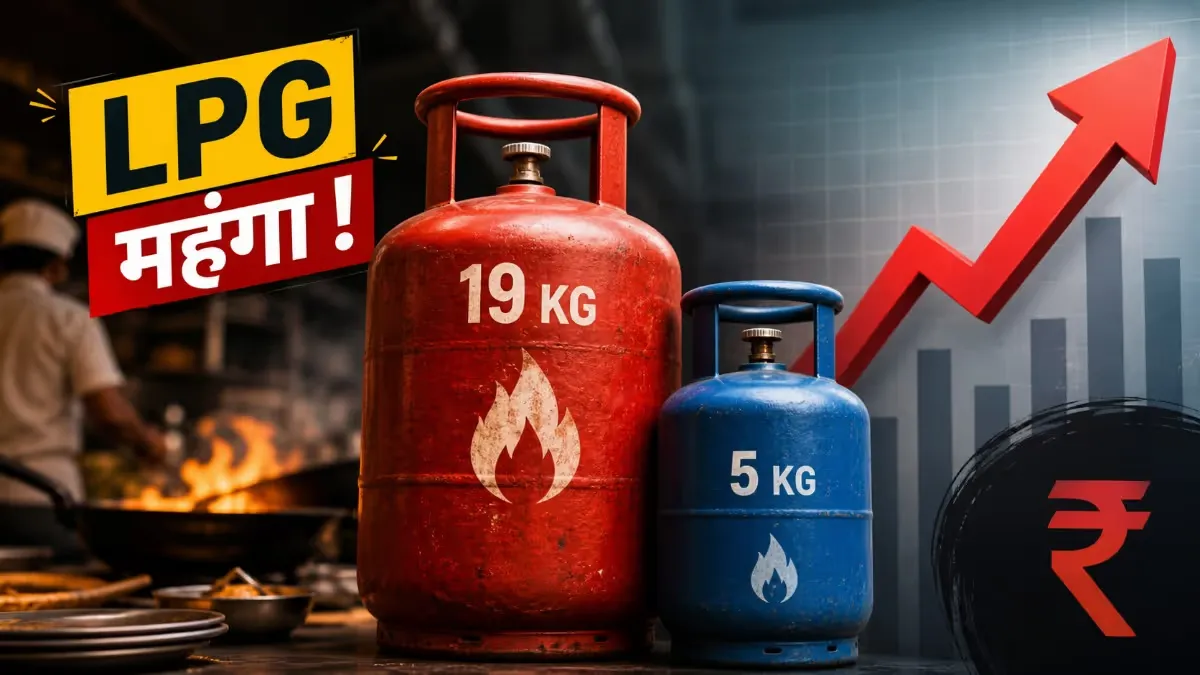
The recent rise in domestic cooking gas prices in India has effectively increased the cost by Rs 29 per cylinder, following an official announcement on Sunday. This marks the second price increase in a span of three months, as state-run oil marketing companies deal with escalating global energy expenses, largely due to the ongoing conflict in West Asia.

The current price of a 14.2-kg domestic LPG cylinder in Delhi has now reached Rs 942, up from Rs 913. This adjustment follows a previous hike of Rs 60 that was implemented on March 7, when disruptions in West Asia had already started to push international fuel prices higher.

The Indian government has defended the recent price increment, asserting that domestic consumers are largely insulated from the dramatic surge in global fuel costs attributed to geopolitical instability in the region. They disclosed that the actual cost of supplying a 14.2-kg LPG cylinder has escalated to over Rs 1,600, while consumers in Delhi are now paying Rs 942 post-revision.

Beneficiaries of the Pradhan Mantri Ujjwala Yojana (PMUY) will continue to avail themselves of subsidised refills at an effective price of Rs 642, designed to ease the burdens of economically disadvantaged families.

Dependence on Imported LPG and Market Vulnerability

India’s considerable reliance on imported liquefied petroleum gas (LPG) leaves households exposed to fluctuations in global pricing. According to the Petroleum Planning & Analysis Cell, approximately 60 per cent of the nation’s LPG requirements will be sourced through imports between April 2025 and March 2026.

During this timeframe, India is expected to consume around 33.2 million tonnes of LPG, while domestic production is projected at approximately 13.1 million tonnes. This disparity underlines the challenges facing the Indian government in stabilising cooking fuel prices for consumers who must contend with international market variances.

As global energy costs rise, it remains to be seen how these fluctuating prices will affect the affordability of domestic cooking gas in the long term. The government’s measures to ensure that people can access affordable cooking fuel remain critical in light of these developments.

Limited Access to Piped Natural Gas (PNG)

The ongoing government initiative to expand city gas distribution systems has yet to achieve widespread accessibility to piped natural gas (PNG) across India, with coverage still largely restricted to select urban areas. According to the Ministry of Petroleum and Natural Gas, Delhi takes the lead with a PNG penetration rate of 5.4 per cent among households.

Gujarat follows with a penetration rate of 3.2 per cent, while Maharashtra reports 1.8 per cent. In contrast, Haryana and Dadra & Nagar Haveli and Daman & Diu each show a penetration level of 1.2 per cent. Despite these efforts, numerous populous states, such as Uttar Pradesh, Rajasthan, Bihar, Tamil Nadu, and West Bengal, have recorded PNG coverage below 1 per cent.

This uneven distribution of PNG infrastructure means that a significant portion of Indian households continues to rely predominantly on LPG cylinders for their cooking needs. As a result, consumers remain vulnerable to the volatile nature of global energy markets.

The disparity in access to PNG versus LPG poses challenges not only in terms of domestic energy security but also in the context of a growing population that requires stable and affordable cooking fuel for daily use.

Long or Short, get news the way you like. No ads. No redirections. Download Newspin and Stay Alert, The CSR Journal Mobile app, for fast, crisp, clean updates!

App Store –  https://apps.apple.com/in/app/newspin/id6746449540 

Google Play Store – https://play.google.com/store/apps/details?id=com.inventifweb.newspin&pcampaignid=web_share

Latest News

Popular Videos
