


Over 47 Per Cent Schools Comply With Three-Language Policy, CBSE Informs Supreme Court
The CSR Journal Magazine

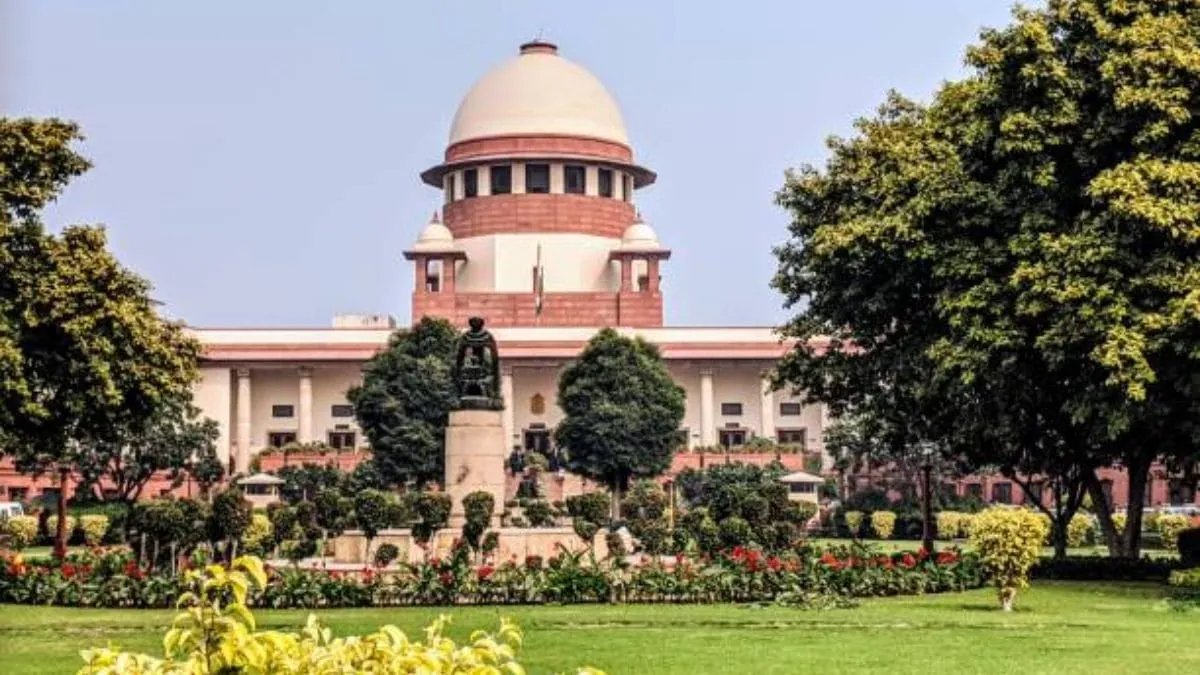
The Central Board of Secondary Education (CBSE) has presented its case in the Supreme Court, asserting that 47.3 per cent of the 28,848 schools under its affiliation are already adhering to the revised three-language policy. This statistic indicates that these institutions are providing two or more Bhartiya Bhashas to students in Class 9, which suggests no immediate necessity for additional language teachers to implement the new policy.

The information was submitted in a counter affidavit filed by CBSE. It is part of a broader defence coordinated with separate affidavits from the Ministry of Education and the National Council of Educational Research and Training (NCERT). This collective response has been formulated to counter petitions challenging the policy enforcement, which have originated from parents and foreign-language educators.

Concerns Raised by Petitioners Against the Policy

Moreover, the petitioners point out that the Board altered its position just 36 days after a previous notification, which stated that the third language would not be a mandatory requirement for Class 9 until the academic year 2029-30. They have highlighted issues associated with the policy’s implementation, such as the lack of available textbooks, adequately trained staff, and an assessment framework. This situation has reportedly left students using Class 6 educational materials while having teachers with only “functional proficiency” assigned to instruct the third language.

In their appeals, the petitioners question the practicality and coherence of enforcing such a policy without the necessary infrastructure and resources in place, thereby raising doubts about its implications for students’ educational experiences.

Foreign Languages Not Eliminated from Curriculum

In response to allegations made by the petitioners, CBSE has clarified that there is no intention to remove foreign languages from the school curriculum. The Board’s affidavit contends that students may continue studying a foreign language either as part of the three compulsory languages or as an additional subject, dispelling claims of a total ban on foreign languages in the education system.

CBSE’s submission asserts that the petitions inaccurately represent the guideline stating that foreign languages can still be retained under certain conditions. This assertion forms a central part of their argument against the challenges presented in court.

Further supporting this initiative, NCERT has updated the court regarding ongoing developments in educational resources. The Council revealed that textbooks covering 22 Scheduled Languages are currently being developed and will soon undergo review and dissemination. Additionally, a High-Powered Task Force has been established to collaborate with CBSE, the National Institute of Open Schooling (NIOS), and educational experts to accelerate the creation of Class 9 textbooks necessary for the transitional phase.

Long or Short, get news the way you like. No ads. No redirections. Download Newspin and Stay Alert, The CSR Journal Mobile app, for fast, crisp, clean updates!

App Store –  https://apps.apple.com/in/app/newspin/id6746449540 

Google Play Store – https://play.google.com/store/apps/details?id=com.inventifweb.newspin&pcampaignid=web_share

Latest News

Popular Videos
